







Dec 01,2025
Flying Drone Motors: Balancing Power and Efficiency for Enhanced Flight
Flying Drone Motors: Balancing Power and Efficiency for Enhanced Flight Table of Contents 1. Introduction to Drone Motors 2. Types of Drone Motors: An Overview 2.1 Brushed Motors 2.2 Brushless Motors 3. Power vs Efficiency: Finding the Right Balance 3.1 The Importance of Efficiency in Drones 3.2 Calculating Motor Efficiency 4. Criteria for Selec
Flying Drone Motors: Balancing Power and Efficiency for Enhanced Flight
Table of Contents
- 1. Introduction to Drone Motors
- 2. Types of Drone Motors: An Overview
- 3. Power vs Efficiency: Finding the Right Balance
- 4. Criteria for Selecting the Right Drone Motor
- 5. Applications of Drone Motors in Various Industries
- 6. Innovations Shaping the Future of Drone Motors
- 7. Maintenance and Care for Drone Motors
- 8. Frequently Asked Questions
- 9. Conclusion
1. Introduction to Drone Motors
In the world of drones, motors play a crucial role in determining performance and efficiency. Understanding how flying drone motors operate and the factors that influence their performance is essential for anyone looking to optimize their drone's capabilities.
As drone technology continues to evolve, the demand for motors that can deliver high power while maintaining energy efficiency has skyrocketed. This article explores the different types of drone motors, the balance between power and efficiency, and how to select the right motor for your needs.
2. Types of Drone Motors: An Overview
When it comes to drone motors, two primary types dominate the market: brushed motors and brushless motors. Each has its advantages and disadvantages, making them suitable for specific applications.
2.1 Brushed Motors
Brushed motors are the traditional choice for many drone enthusiasts. They are simpler in design, featuring two main components: a stator and a rotor. The rotor spins due to electrical current passed through brushes in contact with a commutator.
**Advantages of Brushed Motors:**
- **Cost-Effective:** Brushed motors tend to be less expensive, making them popular for entry-level drones.
- **Easy to Control:** The simplicity of their design allows for straightforward control mechanisms.
**Disadvantages of Brushed Motors:**
- **Less Efficient:** These motors tend to generate more heat, leading to a decline in efficiency over time.
- **Shorter Lifespan:** The brushes wear out eventually, requiring replacements and maintenance.
2.2 Brushless Motors
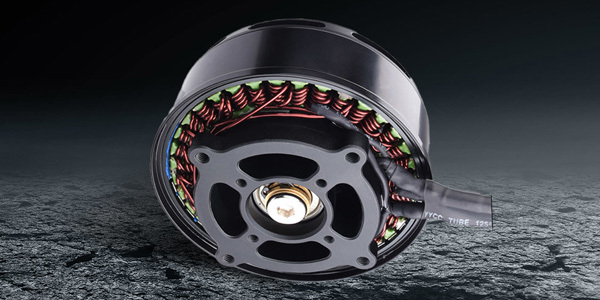
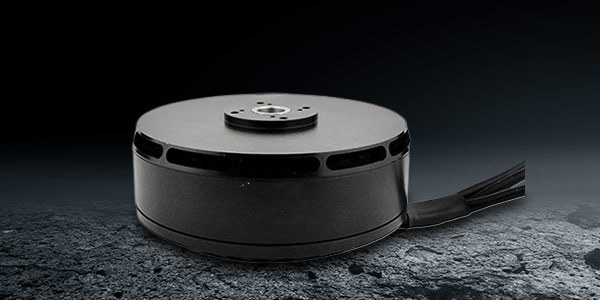
Brushless motors have gained immense popularity in the drone industry due to their superior efficiency and performance. They operate without brushes, using an electronic controller to switch the current in the motor windings.
**Advantages of Brushless Motors:**
- **Higher Efficiency:** Brushless motors convert a higher percentage of electrical energy into mechanical energy, enhancing flight times.
- **Longevity:** With no brushes to wear out, these motors have a longer lifespan and require less maintenance.
**Disadvantages of Brushless Motors:**
- **Higher Cost:** The initial investment for brushless motors is generally higher than for brushed motors.
- **Complexity:** The electronic speed controller (ESC) needed to operate brushless motors can be more complex and require careful configuration.
3. Power vs Efficiency: Finding the Right Balance
When selecting a drone motor, finding the right balance between power and efficiency is paramount. Power is measured in terms of thrust, while efficiency relates to how well a motor uses energy to produce that thrust.
3.1 The Importance of Efficiency in Drones
Efficiency is crucial for maximizing flight time and enhancing overall performance. An efficient motor allows a drone to stay airborne longer, making it ideal for applications such as aerial photography, surveying, and package delivery.
3.2 Calculating Motor Efficiency
Motor efficiency can be calculated by dividing the output power (thrust) by the input power (battery consumption). A higher efficiency figure indicates a better-performing motor. When evaluating motors, look for specifications that indicate thrust-to-weight ratios and efficiency ratings.
4. Criteria for Selecting the Right Drone Motor
Choosing the right motor involves several considerations. Understanding these criteria can help drone operators ensure they select a motor that meets their specific needs.
4.1 Considering Weight and Thrust Requirements
The weight of the drone and its payload will dictate the necessary thrust output from the motor. A common rule of thumb is that the total thrust should be at least twice the weight of the drone for optimal performance.
4.2 Battery Capacity and Runtime Considerations
Battery capacity directly influences flight time. When selecting a motor, ensure it is compatible with your battery system to maximize runtime. Consider motors that provide high thrust while consuming less power to achieve longer flight durations.
5. Applications of Drone Motors in Various Industries
Drone motors are utilized across diverse industries, each with unique requirements for performance. Exploring these applications provides insight into the critical role motors play in various fields.
5.1 Aerial Photography and Videography
In the realm of aerial photography, drones equipped with high-performance motors can maintain stability and precision, enabling the capture of stunning images and videos. The balance between power and efficiency ensures prolonged flight time for comprehensive shoots.
5.2 Agriculture Surveillance
Drones are revolutionizing agriculture by providing farmers with aerial views of their fields. Motors that offer high thrust and efficiency allow drones to cover large areas quickly, making them invaluable for crop monitoring and management.
5.3 Drone Delivery Services
The rise of drone delivery services emphasizes the need for motors that can handle varying payloads while maintaining energy efficiency. Selecting the right motor can significantly affect the success and reliability of delivery operations.
6. Innovations Shaping the Future of Drone Motors
As technology evolves, innovations in drone motors are paving the way for enhanced performance and efficiency.
6.1 Advancements in Motor Materials
The development of lighter and stronger materials is leading to the creation of motors that can deliver higher performance without adding excess weight. Innovations such as carbon fiber windings are making motors more efficient and durable.
6.2 Smart Motor Technologies
Smart motor technologies are integrating sensors and artificial intelligence to enhance motor performance. These advancements allow for real-time monitoring and adjustments, further improving efficiency and flight stability.
7. Maintenance and Care for Drone Motors
Proper maintenance is essential for maximizing the lifespan and performance of drone motors. Regular checks, cleaning, and timely replacements can prevent issues and ensure that motors operate at peak efficiency.
8. Frequently Asked Questions
What is the best type of motor for drones?
The best type of motor depends on your specific needs. Brushless motors are generally preferred for their efficiency and longevity, while brushed motors may be suitable for budget-friendly options.
How do I calculate the thrust needed for my drone?
To calculate the necessary thrust, consider the total weight of the drone, including any payload. Aim for a thrust-to-weight ratio of at least 2:1 for optimal performance.
What factors affect drone motor efficiency?
Several factors affect motor efficiency, including motor design, the quality of materials, and the weight of the drone. Selecting a motor that provides a good balance of power and efficiency is crucial.
How can I enhance the lifespan of my drone motor?
Regular maintenance, including cleaning and checking for wear and tear, can significantly enhance the lifespan of your drone motor. Ensure that the motor is not overworked and that it operates within its specified limits.
Can I use a brushless motor on a brushed ESC?
No, brushless motors require a brushless electronic speed controller (ESC) to operate correctly. Attempting to use a brushless motor with a brushed ESC can damage both the motor and the controller.
9. Conclusion
In conclusion, the choice of flying drone motors is pivotal in achieving a balance between power and efficiency. Understanding the types of motors available, their applications, and how to select the right one can significantly enhance drone performance. As technology continues to advance, staying informed about innovations in motor design will empower enthusiasts and professionals alike to make the most of their aerial capabilities.
Previous: Understanding Brushless Motors in Flying Drones: Key Insights for Enthusiasts
Next: The Integration of Drones in Electric Motor Applications: Exploring New Frontiers


Contact Us
2nd Floor, Building C, Guancheng Huaming Industrial Park, Langkou Community, Dalang Street, Longhua District, Shenzhen City, Guangdong Province