







Dec 04,2025
Understanding Brushless Motors in Flying Drones: Key Insights for Enthusiasts
In the world of drone technology, brushless motors have become a go-to choice for powering flying drones. Unlike traditional brushed motors, brushless motors utilize a different design that offers numerous advantages, particularly in the realm of performance and efficiency. One of the most significant benefits of brushless motors is their efficiency. These motors operate without brushes that crea
In the world of drone technology, brushless motors have become a go-to choice for powering flying drones. Unlike traditional brushed motors, brushless motors utilize a different design that offers numerous advantages, particularly in the realm of performance and efficiency.
One of the most significant benefits of brushless motors is their efficiency. These motors operate without brushes that create friction and wear, leading to higher efficiency rates and longer operational lifespans. This increased efficiency translates into longer flight times for drones, allowing users to maximize their flying experience without the constant need for recharging.
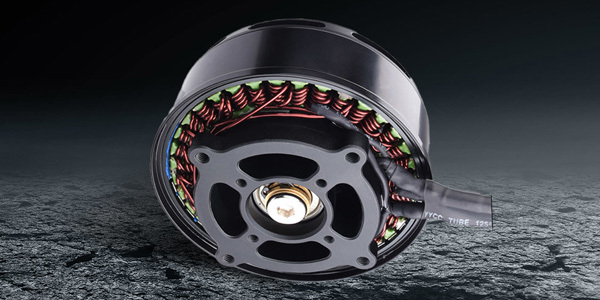
The working principle of brushless motors revolves around electromagnetic fields created by the motor's stator and rotor. In essence, the stator has coils that generate a rotating magnetic field, while the rotor, which is attached to the propellers, spins in response to this magnetic field. This design not only reduces mechanical wear but also minimizes the heat generated during operation, contributing to the longevity of the motor.

When choosing brushless motors for flying drones, it’s essential to consider factors such as motor size, thrust-to-weight ratio, and Kv rating (RPM per volt). The Kv rating indicates how fast the motor will spin at a given voltage, making it a crucial parameter in selecting the right motor for specific drone applications. Enthusiasts should match the motor specifications with the drone's overall design and intended use, whether for racing, aerial photography, or recreational flying.
Moreover, brushless motors typically require electronic speed controllers (ESCs) to regulate power and control the speed of the motor. The ESC acts as an intermediary between the battery and the motor, converting the direct current (DC) from the battery into the alternating current (AC) needed for the motor’s operation. This combination of brushless motors and ESCs enhances the control and responsiveness of flying drones, making them more agile and easier to maneuver.
In summary, brushless motors play a pivotal role in the development and performance of flying drones. Their higher efficiency, longer lifespan, and enhanced control capabilities make them a preferred choice among drone manufacturers and enthusiasts alike. Understanding the intricacies of these motors can significantly improve your experience as a drone operator, enabling you to make informed decisions when building or upgrading your flying machines. Whether you're a hobbyist or a professional, grasping the fundamentals of brushless motors can elevate your drone flying experience to new heights.
Previous: Maximizing Efficiency: Integrating Flying Drone Power Kits with Electric Motors
Next: Flying Drone Motors: Balancing Power and Efficiency for Enhanced Flight


Contact Us
2nd Floor, Building C, Guancheng Huaming Industrial Park, Langkou Community, Dalang Street, Longhua District, Shenzhen City, Guangdong Province