







Dec 07,2025
Maximizing Efficiency: Integrating Flying Drone Power Kits with Electric Motors
Maximizing Efficiency: Integrating Flying Drone Power Kits with Electric Motors Table of Contents 1. Introduction: The Future of Power Integration 2. Understanding Drones and Electric Motors 2.1 What Are Drones? 2.2 The Role of Electric Motors in Drones 3. Benefits of Integrating Drone Power Kits with Electric Motors 3.1 E
Maximizing Efficiency: Integrating Flying Drone Power Kits with Electric Motors
Table of Contents
- 1. Introduction: The Future of Power Integration
- 2. Understanding Drones and Electric Motors
- 3. Benefits of Integrating Drone Power Kits with Electric Motors
- 3.1 Enhanced Efficiency in Operations
- 3.2 Cost-Effectiveness
- 3.3 Increased Flexibility and Versatility
- 4. Key Factors for Successful Integration
- 5. Applications in Various Industries
- 6. Challenges and Solutions
- 7. Future Trends in Drone and Electric Motor Integration
- 8. Conclusion
- 9. FAQs
1. Introduction: The Future of Power Integration
In today's fast-paced technological environment, the quest for maximizing efficiency is paramount across industries. The integration of **flying drone power kits** with **electric motors** represents a transformative leap forward. Not only do these innovations offer new operational capabilities, but they also promise significant advancements in efficiency, performance, and cost savings. This article aims to explore the dynamics of this integration, shedding light on how various sectors can harness its potential.
2. Understanding Drones and Electric Motors
2.1 What Are Drones?
Drones, also known as **unmanned aerial vehicles (UAVs)**, are aircraft that operate without a human pilot onboard. Utilizing sophisticated technology, they can carry out tasks ranging from aerial photography to package delivery. The key to their operation is a combination of sensors, cameras, and propulsion systems, which often include electric motors.
2.2 The Role of Electric Motors in Drones
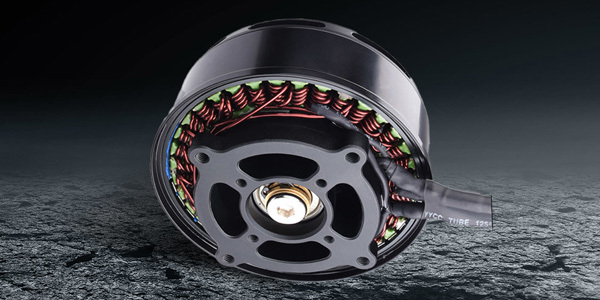
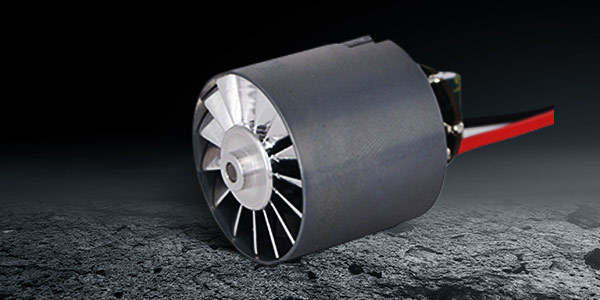
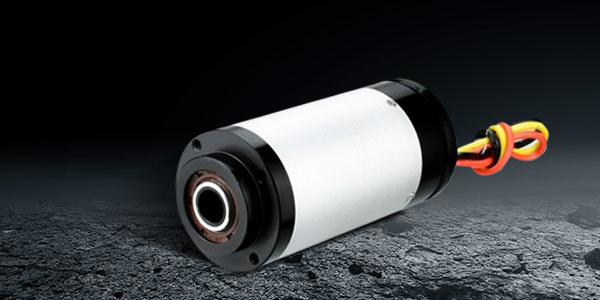
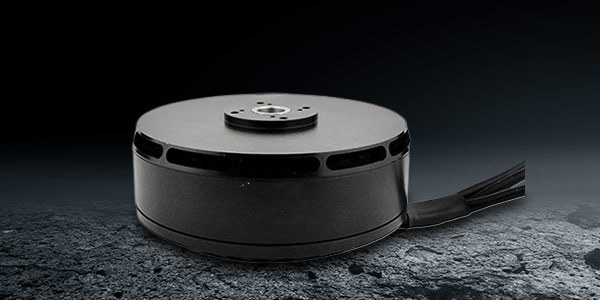
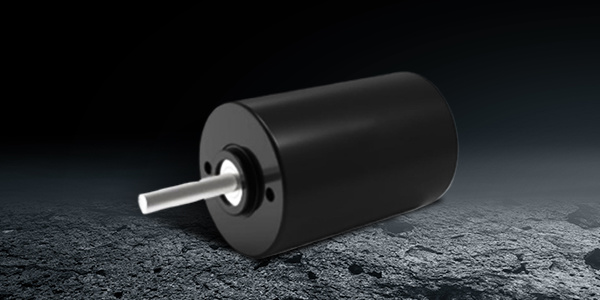
Electric motors serve as the primary source of propulsion for drones. They convert electrical energy into mechanical energy, enabling the drone to take off, maneuver, and land. The efficiency of these motors affects the drone's overall performance, including flight time, payload capacity, and operational range.
3. Benefits of Integrating Drone Power Kits with Electric Motors
3.1 Enhanced Efficiency in Operations
Integrating flying drone power kits with electric motors significantly enhances operational efficiency. The synergy between the two technologies allows for optimized power consumption and reduced weight, leading to longer flight times and increased payload capacities. This efficiency translates into more productive operations, whether in agriculture, logistics, or other fields.
3.2 Cost-Effectiveness
One of the most compelling reasons for integrating drone power kits with electric motors is the potential for cost savings. The combination reduces the need for traditional fuel sources, resulting in lower operational costs. Additionally, electric motors require less maintenance compared to their internal combustion counterparts, leading to further financial benefits over time.
3.3 Increased Flexibility and Versatility
The integration provides enhanced flexibility and versatility. Drones equipped with electric motors can be tailored for specific applications, from precision agriculture to remote monitoring of infrastructure. This adaptability opens up new avenues for businesses, allowing them to innovate and stay competitive.
4. Key Factors for Successful Integration
4.1 Selecting the Right Components
Successful integration begins with selecting the right components. This involves choosing high-quality electric motors that match the specifications of the drone power kits. Considerations should include weight, thrust capabilities, and energy efficiency to ensure optimal performance.
4.2 Design and Architecture Considerations
The design of the drone must accommodate the integrated power systems. This involves careful planning of the payload distribution and center of gravity to maintain stability and performance. A well-thought-out design enhances operational efficiency and ensures longevity in the field.
5. Applications in Various Industries
5.1 Agriculture
In the agricultural sector, the integration of flying drone power kits with electric motors has revolutionized farming practices. Drones can efficiently monitor crop health, apply fertilizers, and even assist in planting seeds. By optimizing these processes, farmers can achieve higher yields and reduce resource waste.
5.2 Construction
The construction industry benefits significantly from this integration. Drones are used for site surveying, aerial inspections, and logistics management. Equipped with electric motors, they can operate in diverse conditions, providing real-time data and enhancing project efficiency.
5.3 Logistics and Delivery
The logistics and delivery sector is rapidly adopting drone technology to streamline operations. Companies are utilizing drones to deliver packages efficiently and monitor inventory in warehouses. The integration of power kits allows for greater operational ranges and faster delivery times.
6. Challenges and Solutions
6.1 Technical Challenges
Despite the benefits, several technical challenges can arise during integration. Issues such as battery life, motor efficiency, and payload capacity need to be addressed. Continuous research and development are essential to overcome these hurdles and advance the technology further.
6.2 Regulatory Issues
Regulatory concerns also pose challenges. Different countries have varying laws regarding drone operations, which can affect the deployment of integrated systems. It is crucial for businesses to stay informed about regulations to ensure compliance and avoid disruptions.
7. Future Trends in Drone and Electric Motor Integration
The future of integrating flying drone power kits with electric motors looks promising. Emerging trends include advancements in battery technology, artificial intelligence for autonomous operations, and improved sensor integration. As these technologies evolve, we can expect even greater efficiencies and capabilities in drone applications.
8. Conclusion
Integrating flying drone power kits with electric motors is a transformative step toward maximizing efficiency across various industries. This synergy not only enhances operational capabilities but also leads to significant cost savings and improved flexibility. As businesses continue to embrace this technology, it will be essential to address challenges and stay ahead of regulatory developments. The future holds exciting possibilities, and organizations that adapt to these changes will undoubtedly thrive.
9. FAQs
What are flying drone power kits?
Flying drone power kits are systems that combine various components, such as motors, batteries, and controllers, to provide the necessary power and control for drones.
How do electric motors improve drone efficiency?
Electric motors provide a cleaner, more efficient power source compared to traditional fuel engines, leading to longer flight times and lower operating costs.
What industries benefit from drone and electric motor integration?
The agriculture, construction, and logistics industries are among the primary sectors benefiting from this integration, utilizing drones for various applications.
Are there any regulatory challenges with drone integration?
Yes, regulatory challenges exist, as drone operations are subject to various laws and regulations that can vary by region, impacting deployment strategies.
What are the future trends in drone technology?
Future trends include advancements in battery technology, AI for automation, and enhanced sensor integration, which will further improve drone capabilities and efficiency.
Previous: Essential Accessories for Your Flying Drones: A Comprehensive Guide
Next: Understanding Brushless Motors in Flying Drones: Key Insights for Enthusiasts


Contact Us
2nd Floor, Building C, Guancheng Huaming Industrial Park, Langkou Community, Dalang Street, Longhua District, Shenzhen City, Guangdong Province