







Jan 10,2026
The Future of Electric Motors: Innovations in Flying Drone Power Kits
The Future of Electric Motors: Innovations in Flying Drone Power Kits Table of Contents 1. Introduction to Electric Motors and Drones 2. The Evolution of Electric Motors in Drone Technology 3. Current Technological Advancements in Electric Motors 4. Specialized Electric Motors for Drones 5. Power Kits for Drones: Significance and Functionality 6. Innovative Designs and Mat
The Future of Electric Motors: Innovations in Flying Drone Power Kits
Table of Contents
- 1. Introduction to Electric Motors and Drones
- 2. The Evolution of Electric Motors in Drone Technology
- 3. Current Technological Advancements in Electric Motors
- 4. Specialized Electric Motors for Drones
- 5. Power Kits for Drones: Significance and Functionality
- 6. Innovative Designs and Materials in Electric Motors
- 7. Future Trends in Electric Motors and Drone Technology
- 8. Impact on Industries and Applications of Drones
- 9. Frequently Asked Questions
- 10. Conclusion
1. Introduction to Electric Motors and Drones
Electric motors have revolutionized various industries, particularly the realm of aerial technology. The burgeoning field of drone technology, characterized by its multifaceted applications—from photography to agriculture—has become increasingly reliant on the performance and efficiency of electric motors. As we delve into **the future of electric motors**, we will uncover how **innovations in flying drone power kits** are paving the way for enhanced operational capabilities.
2. The Evolution of Electric Motors in Drone Technology
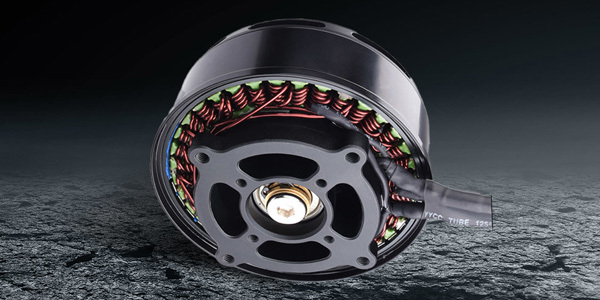
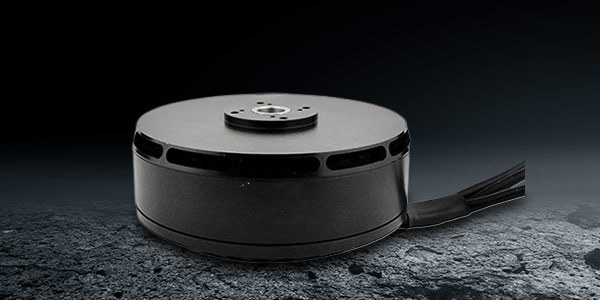
The history of electric motors in drone applications dates back to the early days of remote-controlled aircraft. Initially, these motors were basic and had limited efficiency. However, advancements in technology have led to the development of high-efficiency brushless motors. These motors not only provide enhanced thrust but also contribute to longer flight times.
As drones have evolved into sophisticated flying machines, electric motors have adapted to meet their increasing demands. The transition from **DC motors** to **brushless motors** has marked a significant milestone, allowing for greater reliability, reduced maintenance, and improved power-to-weight ratios.
3. Current Technological Advancements in Electric Motors
Recent technological advancements in electric motors are transforming the landscape of drone technology. These innovations focus on several key areas:
3.1. High-Efficiency Designs
Modern electric motors are engineered for maximum efficiency, minimizing energy loss during operation. This efficiency is crucial for drones, enabling longer flight times and reduced battery consumption.
3.2. Lightweight Materials
The integration of lightweight materials, such as carbon fiber and advanced composites, has allowed manufacturers to produce electric motors that enhance the overall performance of drones without adding significant weight.
3.3. Integrated Power Management Systems
Innovations in power management systems are allowing electric motors to operate more intelligently. These systems optimize power usage, adjust performance based on payload, and ensure drones function within their optimal operational parameters.
4. Specialized Electric Motors for Drones
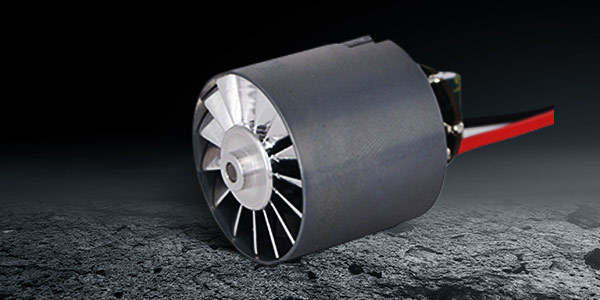
Specialized electric motors are emerging to cater to different types of drones, whether they be **multirotors**, **fixed-wings**, or **hybrid models**. Each category requires motors with specific characteristics based on design and application.
4.1. Motors for Multirotors
Multirotors depend on thrust-to-weight ratios and require reliable power during flight. Electric motors designed for this category are built to deliver high torque and rapid responses.
4.2. Motors for Fixed-Wing Drones
Fixed-wing drones often require electric motors that offer sustained power over extended periods. Efficiency and thrust are paramount, as these drones aim to cover larger distances.
4.3. Hybrid Drones
Hybrid drones combine features from both multirotor and fixed-wing designs. The electric motors for these drones must offer versatility, allowing for vertical takeoff and efficient horizontal flight.
5. Power Kits for Drones: Significance and Functionality
Power kits play a critical role in optimizing drone performance. These kits consist of electric motors, propellers, batteries, and control systems, all designed to work cohesively.
5.1. Components of Power Kits
A typical power kit includes:
- **Electric Motor**: The heart of the power system, providing the necessary thrust.
- **Battery**: Supplies power to the motor and other onboard electronics.
- **Electronic Speed Controller (ESC)**: Manages the motor's speed and direction.
- **Propellers**: Convert the motor's rotational energy into lift.
5.2. Choosing the Right Power Kit
Selecting the right power kit can significantly impact a drone's performance. Factors to consider include the drone's weight, intended use, and required flight time.
6. Innovative Designs and Materials in Electric Motors
Innovation is not limited to technology alone; it also extends to the design and materials used in electric motors.
6.1. Advanced Cooling Systems
Drones often operate in demanding environments, and effective cooling systems are essential. Innovations in cooling technology help maintain optimal operating temperatures, extending the lifespan of electric motors.
6.2. Modular Designs
Modular electric motor designs allow for easy upgrades and replacements. This flexibility is invaluable for drone manufacturers and hobbyists alike, as it simplifies maintenance and enhances overall drone longevity.
6.3. Environmentally Friendly Materials
With increasing emphasis on sustainability, manufacturers are exploring environmentally friendly materials for electric motor production. This shift not only reduces the carbon footprint but also aligns with the growing demand for sustainable technology.
7. Future Trends in Electric Motors and Drone Technology
As we look to the future, several trends are emerging that will shape the development of electric motors and drones.
7.1. Increased Automation
Automation is set to play a vital role in the future of drones. Electric motors with integrated sensors and AI capabilities will enable drones to operate autonomously, making real-time adjustments to optimize performance.
7.2. Enhanced Battery Technologies
The future of electric motors is closely tied to advancements in battery technology. Innovations such as solid-state batteries promise to deliver higher energy densities and faster charging times, fundamentally altering the capabilities of electric motors.
7.3. Integration with Renewable Energy Sources
The shift towards renewable energy sources is becoming a priority in the electric motor industry. Future designs may integrate solar panels or other renewable technologies to power electric motors, making drones more efficient and sustainable.
8. Impact on Industries and Applications of Drones
The innovations in electric motors and power kits are not just changing drone technology; they are revolutionizing entire industries.
8.1. Agriculture
Drones equipped with advanced electric motors are transforming agriculture by enabling precision farming, monitoring crop health, and even automated planting.
8.2. Delivery Services
The rise of drone delivery services is a direct result of advancements in electric motor technology. Enhanced power kits enable drones to carry heavier payloads over longer distances, making them viable for commercial delivery.
8.3. Surveillance and Security
The ability to deploy drones with superior electric motors for surveillance purposes is changing the landscape of security. Drones can now cover vast areas more quickly and efficiently.
9. Frequently Asked Questions
9.1. What are the main advantages of electric motors in drones?
Electric motors provide higher efficiency, lower maintenance requirements, and a better power-to-weight ratio compared to traditional combustion engines.
9.2. How do I choose the best power kit for my drone?
Consider the drone's weight, intended applications, and desired flight duration when selecting a power kit.
9.3. What materials are used in modern electric motors?
Modern electric motors often utilize lightweight materials like carbon fiber and advanced composites to enhance performance without increasing weight.
9.4. How do advancements in battery technology affect drone performance?
Advancements in battery technology, such as solid-state batteries, can lead to longer flight times and faster charging, significantly enhancing overall drone performance.
9.5. Will electric motors continue to evolve in the future?
Yes, ongoing research and innovation in materials, automation, and battery technologies will drive the evolution of electric motors in drone applications.
10. Conclusion
The future of electric motors in drone technology is bright and filled with potential. As innovations in power kits continue to emerge, they will redefine the capabilities and applications of drones across multiple industries. By embracing advancements in design, materials, and automated systems, we are on the cusp of a new era in aerial technology that promises to enhance efficiency, sustainability, and operational capabilities. The journey of electric motors in drone technology is just beginning, and the possibilities are limitless.
Previous: Essential Flying Drone Accessories for Every Enthusiast
Next: Understanding the Role of Brushless Motors in Flying Drones


Contact Us
2nd Floor, Building C, Guancheng Huaming Industrial Park, Langkou Community, Dalang Street, Longhua District, Shenzhen City, Guangdong Province