







Jan 07,2026
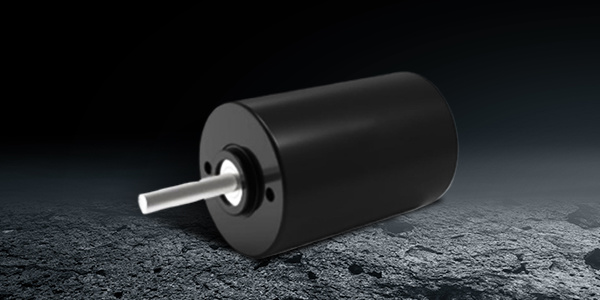
Understanding the Role of Brushless Motors in Flying Drones
Flying drones have revolutionized various sectors, from recreational use to commercial applications. At the heart of these advanced aerial vehicles is a pivotal component: the brushless motor. Unlike traditional brushed motors, brushless motors offer several advantages that make them particularly well-suited for flying drones. This article delves into the mechanics, benefits, and operational nuanc
Flying drones have revolutionized various sectors, from recreational use to commercial applications. At the heart of these advanced aerial vehicles is a pivotal component: the brushless motor. Unlike traditional brushed motors, brushless motors offer several advantages that make them particularly well-suited for flying drones. This article delves into the mechanics, benefits, and operational nuances of brushless motors in the context of drone technology.
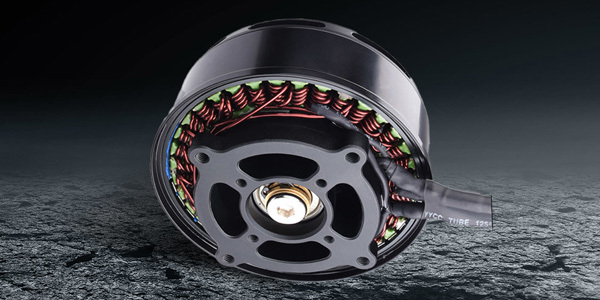
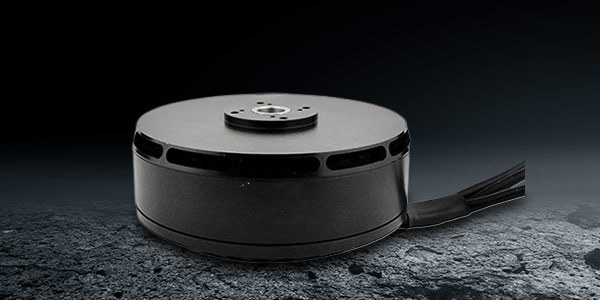
Brushless motors operate without brushes, which are mechanical components that can wear out over time and generate friction and heat. In contrast, brushless motors use electronic controllers to manage the motor's operation, leading to improved efficiency and longevity. This efficiency is crucial for flying drones, as it directly correlates to battery life and flight time. Since most drones are designed for optimal performance during flight, the reduction in weight and increased efficiency provided by brushless motors make them an ideal choice.
One of the standout features of brushless motors is their ability to deliver a high power-to-weight ratio. This is particularly beneficial for drones that require quick acceleration and responsive handling. Brushless motors can achieve higher RPM (revolutions per minute) than their brushed counterparts, enabling drones to hover steadily and perform complex maneuvers with ease. This capability is essential for applications such as aerial photography, surveying, and search-and-rescue operations where precision and responsiveness are paramount.
Another significant advantage of brushless motors is their reduced maintenance requirements. The absence of brushes means fewer mechanical parts that can wear out, leading to less frequent replacements and repairs. For professional users, such as drone operators conducting commercial inspections or delivering packages, the reliability of brushless motors translates into less downtime and increased productivity.
Furthermore, brushless motors are known for their quiet operation, which is a vital aspect in certain applications where noise levels must be kept to a minimum. This feature makes them suitable for urban environments or sensitive areas where noise pollution could be an issue. The quieter operation not only enhances the user experience but also broadens the potential use cases for flying drones.
In summary, the integration of brushless motors in flying drones has significantly enhanced their performance, efficiency, and reliability. As drone technology continues to evolve, understanding the critical role of brushless motors will be essential for professionals in the electrical engineering and motor specialization fields. As you navigate this exciting industry, keep in mind the advantages that brushless motors bring to the table, ultimately shaping the future of aerial technology.
Previous: The Future of Electric Motors: Innovations in Flying Drone Power Kits
Next: The Future of Drones: Transforming Industries and Enhancing Efficiency


Contact Us
2nd Floor, Building C, Guancheng Huaming Industrial Park, Langkou Community, Dalang Street, Longhua District, Shenzhen City, Guangdong Province