







May 11,2026
Top Tips for Choosing the Right Flying Drone Power Kits for Your Needs
Top Tips for Choosing the Right Flying Drone Power Kits for Your Needs Introduction to Drone Power Kits In the rapidly evolving world of drone technology, understanding power kits is crucial for enthusiasts and professionals alike. **Flying drone power kits** are essential components that dictate the performance and efficiency of your drone, impacting everything from flight time to payload capac
Top Tips for Choosing the Right Flying Drone Power Kits for Your Needs
Introduction to Drone Power Kits
In the rapidly evolving world of drone technology, understanding power kits is crucial for enthusiasts and professionals alike. **Flying drone power kits** are essential components that dictate the performance and efficiency of your drone, impacting everything from flight time to payload capacity. With a multitude of options available in the market, making the right choice can be daunting. This guide aims to simplify that process by providing you with insightful tips and considerations for selecting the best power kit for your drone.
Understanding the Components of Drone Power Kits
To choose the right power kit, it’s essential to understand its core components. Generally, a flying drone power kit consists of several key elements:
1. Batteries
Batteries are the lifeblood of your drone. They determine how long your drone can stay airborne and affect its overall performance. **Lithium Polymer (LiPo)** batteries are the most common choice due to their lightweight and high energy density. When selecting a battery, consider factors such as capacity (measured in mAh), voltage, and discharge rate. Higher capacity batteries provide longer flight times, while a suitable discharge rate ensures your drone can draw power efficiently.
2. Electronic Speed Controllers (ESC)
ESCs play a pivotal role in controlling the speed of the drone's motors. They convert the battery's power into usable signals for the motors, allowing for precise maneuvering and stability in flight. When choosing an ESC, look for one that complements your motor's specifications and supports the battery's voltage.
3. Motors
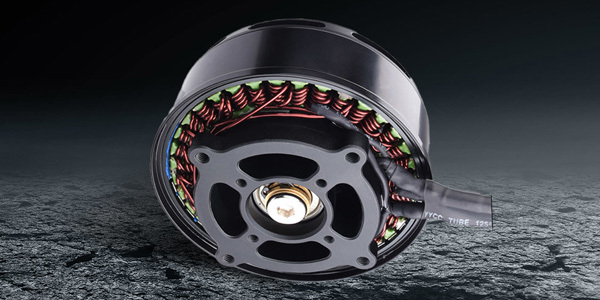
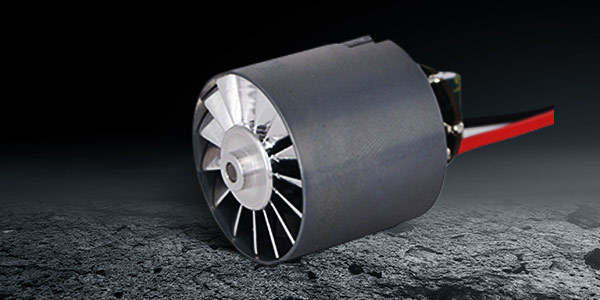
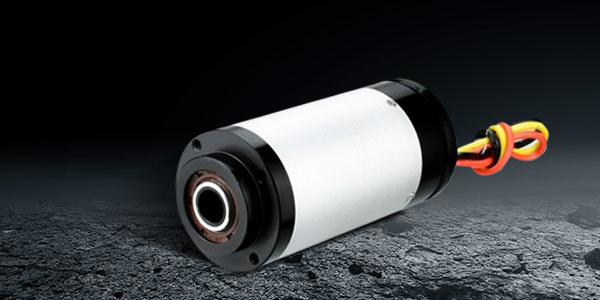
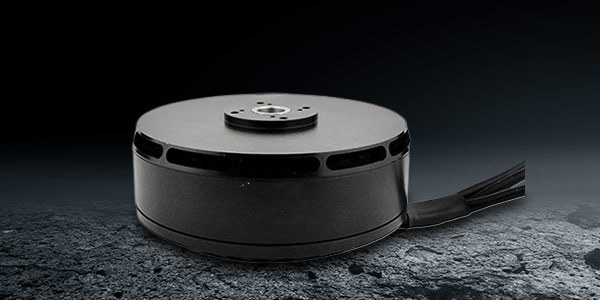
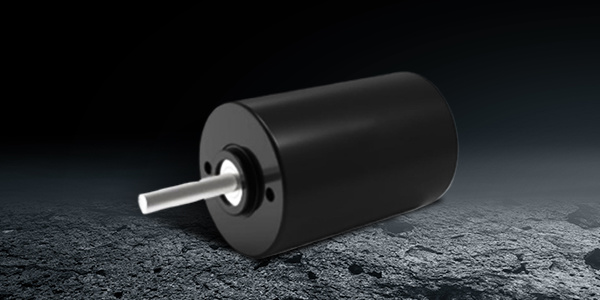
The motors directly impact the lifting capacity and responsiveness of your drone. Brushless motors are preferred for their efficiency and durability. Ensure that the motors you choose match the intended use of the drone, whether it’s for racing, photography, or industrial applications.
4. Propellers
Propellers work in tandem with the motors and are critical for flight performance. The right size and pitch of propellers can significantly enhance your drone's efficiency. Larger propellers can lift heavier loads but may reduce speed, while smaller propellers are suitable for faster maneuvers.
Key Considerations When Choosing a Power Kit
1. Usage Requirements
Before making a purchase, determine the primary purpose of your drone. Are you using it for aerial photography, racing, or surveying? Each application has distinct requirements concerning flight time, speed, and payload capacity. Understanding your specific needs is the first step in selecting the right power kit.
2. Flight Time Expectations
Flight time is a critical factor for most drone applications. Consider the battery capacity and weight when calculating the expected flight duration. A balance between battery size and drone weight is necessary to achieve optimal flight time without compromising performance.
3. Weight Considerations
The weight of the power kit is crucial, as it directly affects the drone's flight capabilities. A lightweight power kit can enhance agility and flight time, while a heavier kit may limit performance. Always aim for a power kit that provides maximum efficiency with minimal added weight.
4. Compatibility with Drone Model
Ensure that the power kit you select is compatible with your specific drone model. Check the manufacturer’s specifications and recommendations to avoid any compatibility issues that could affect performance.
Researching and Comparing Power Kits
1. Brand Reputation
When investing in drone power kits, opt for reputable brands known for quality and reliability. Research customer reviews and expert recommendations to ensure you’re purchasing a trusted product.
2. Product Specifications
Dive deep into technical specifications. Compare voltage ratings, discharge rates, and compatibility with other drone components. Understanding these details will help you make an informed decision.
3. Price vs. Performance
While budget constraints are important, don’t sacrifice quality for a lower price. A high-quality power kit may have a higher upfront cost but could offer better performance and longevity, ultimately saving you money in the long run.
Best Practices for Maintaining Your Drone Power Kit
1. Regular Inspections
Regularly inspect your drone’s power kit components for signs of wear and tear. Look for any physical damage to the battery, ESC, and motors. Early detection of issues can prevent costly repairs or replacements.
2. Proper Charging Techniques
Always use the recommended charger for your batteries. Avoid overcharging and ensure batteries are stored in a cool, dry place. Proper charging techniques extend battery life and maintain performance.
3. Balancing and Calibration
Ensure that your drone is balanced and calibrated correctly. An unbalanced drone can lead to poor performance and increased wear on components. Regularly check and adjust the propeller pitch and motor settings as needed.
Frequently Asked Questions (FAQs)
1. What is the average flight time for drones using standard power kits?
The average flight time varies by drone model and power kit but typically ranges from 10 to 30 minutes. Factors such as battery capacity, weight, and flight conditions play a significant role.
2. Can I use any battery with my drone’s power kit?
No, it’s crucial to use a battery that matches your drone's specifications. Using an incompatible battery can lead to poor performance and potentially damage your drone.
3. How do I know if my motors are suitable for my drone's power kit?
Check the specifications of both the motors and the power kit. Ensure that the ESCs and motors are compatible in terms of voltage and current ratings.
4. What is the difference between brushed and brushless motors?
Brushless motors are more efficient, have a longer lifespan, and require less maintenance compared to brushed motors, making them the preferred choice for most drone applications.
5. How can I improve my drone’s flight time?
To extend flight time, consider using a higher capacity battery, optimizing the weight of your drone, and ensuring that the propellers and motors are suited for efficient performance.
Conclusion
Choosing the right flying drone power kit is a critical decision that can significantly impact your drone's performance and longevity. By understanding the key components, considering your specific needs, and conducting thorough research, you can make an informed choice that enhances your flying experience. Regular maintenance and proper usage can further ensure that your drone operates efficiently, allowing you to enjoy all the benefits that modern drone technology has to offer. Embrace these tips, and you’ll be well on your way to mastering the skies with your drone.
Previous: Essential Flying Drone Accessories for Enhanced Performance
Next: The Essential Guide to Brushless Motors for Flying Drones


Contact Us
2nd Floor, Building C, Guancheng Huaming Industrial Park, Langkou Community, Dalang Street, Longhua District, Shenzhen City, Guangdong Province