







May 08,2026
The Essential Guide to Brushless Motors for Flying Drones
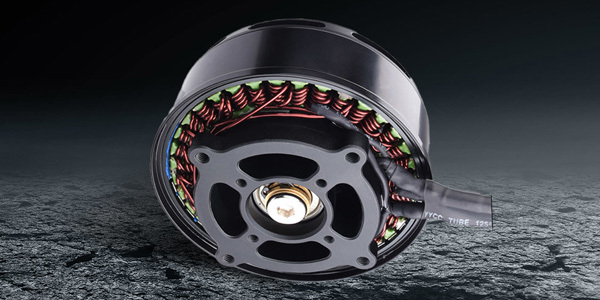
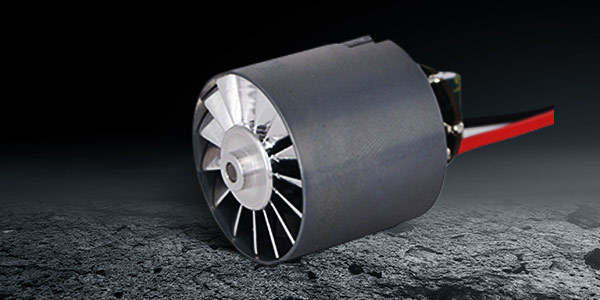
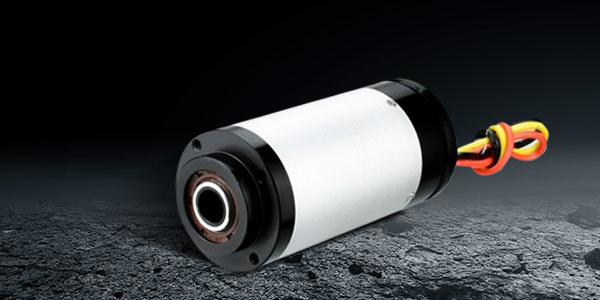
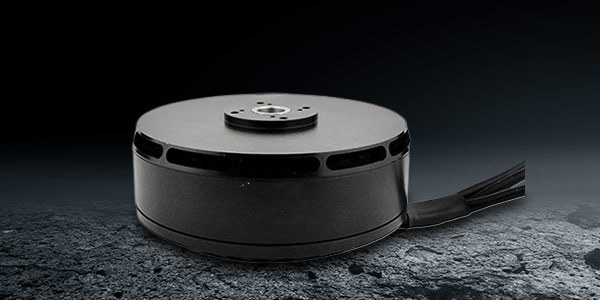
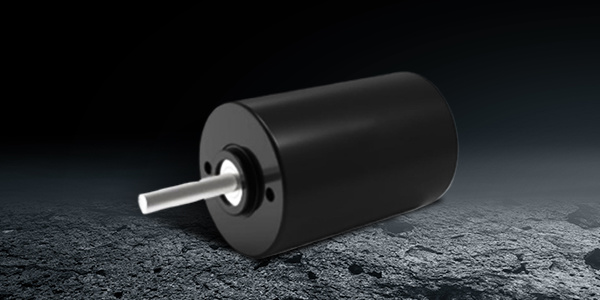
Brushless motors are a pivotal component in the operation of flying drones, particularly due to their efficiency and performance characteristics. Unlike traditional brushed motors, brushless motors eliminate the need for brushes, which results in reduced wear and maintenance. This design allows for smoother operation, higher efficiency, and improved lifespan, making them an ideal choice for modern
One of the primary advantages of flying drone brushless motors is their ability to generate a higher power-to-weight ratio. This is crucial in the context of drones, where weight efficiency directly impacts flight performance, agility, and battery life. The lightweight nature of brushless motors, combined with their high torque output, enables drones to carry heavier payloads while maintaining stable flight dynamics.
Another significant benefit is the enhanced thermal management of brushless motors. Since they operate without brushes, they produce less heat during operation, which minimizes the risk of overheating. This characteristic is particularly advantageous during extended flight sessions, as it helps maintain optimal performance and prolongs the drone's operational lifespan. Additionally, the efficient power consumption of brushless motors contributes to longer battery life, allowing for extended flight durations—an essential aspect for commercial and recreational drone users alike.
In terms of control and responsiveness, flying drone brushless motors offer superior performance compared to their brushed counterparts. Their electronic speed controllers (ESCs) allow for precise adjustments in speed and direction, enabling drones to execute complex maneuvers with high levels of accuracy. This precision is particularly valuable in applications such as aerial photography, surveying, and search and rescue operations, where stability and control are paramount.
The applications of brushless motors in flying drones are diverse. From hobbyist quadcopters to sophisticated unmanned aerial vehicles (UAVs) used in commercial settings, the demand for high-quality brushless motors has surged. As drone technology continues to evolve, professionals in the electric and electronic engineering fields must stay informed about the latest advancements in motor technology to ensure their products remain competitive.
In conclusion, understanding flying drone brushless motors is crucial for anyone involved in the electric and electronic engineering industry. Their efficiency, durability, and performance capabilities make them an indispensable component of modern drone technology. By capitalizing on the benefits they offer, professionals can enhance the functionality and reliability of their drone systems, which, in turn, can lead to greater success in various applications. As the industry grows, ongoing research and development into brushless motors will undoubtedly yield new innovations, further solidifying their status as the preferred choice for flying drones.
Previous: Top Tips for Choosing the Right Flying Drone Power Kits for Your Needs
Next: The Science Behind Flying Drone Motors: How They Generate Lift


Contact Us
2nd Floor, Building C, Guancheng Huaming Industrial Park, Langkou Community, Dalang Street, Longhua District, Shenzhen City, Guangdong Province