







May 17,2026
An Insider's Look at the Mechanics of Drone Power Systems
An Insider's Look at the Mechanics of Drone Power Systems As the popularity of drones continues to soar, understanding the mechanics behind their power systems becomes increasingly essential. Drones are not just toys; they are sophisticated devices that require precise engineering to function optimally. This article will provide a comprehensive overview of drone power systems, focusing on electric
An Insider's Look at the Mechanics of Drone Power Systems
As the popularity of drones continues to soar, understanding the mechanics behind their power systems becomes increasingly essential. Drones are not just toys; they are sophisticated devices that require precise engineering to function optimally. This article will provide a comprehensive overview of drone power systems, focusing on electric motors, battery technology, and the intricate components that contribute to their efficiency. Through this guide, we aim to give you an insider’s perspective on what makes drones tick, enabling you to appreciate and potentially innovate in this rapidly evolving field.
Table of Contents
- Understanding Drone Power Systems
- Electric Motors in Drones: The Heart of Power Systems
- Types of Electric Motors for Drones
- Battery Technology in Drones: Powering the Future
- The Role of ESC in Drone Power Systems
- Drone Power Management Systems: An Overview
- Optimizing Drone Performance Through Power Systems
- Future Trends in Drone Power Systems
- FAQs About Drone Power Systems
- Conclusion
Understanding Drone Power Systems
Drone power systems are complex networks that combine various components to ensure the efficient operation of the entire aircraft. At the core of these systems are electric motors, batteries, and electronic speed controllers (ESCs). Understanding how these elements interact can help you appreciate the intricacies involved in drone design and functionality.
The Importance of Power Systems in Drones
The effectiveness of a drone largely depends on its power system. This system not only provides thrust but also supports essential functionalities such as stabilization, navigation, and payload operations. A well-designed power system enhances flight time, payload capacity, and overall reliability, making it a critical aspect of drone engineering.
Electric Motors in Drones: The Heart of Power Systems
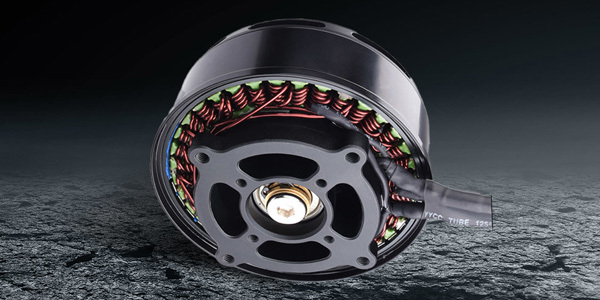
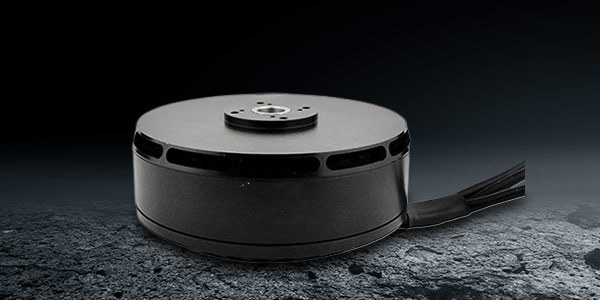
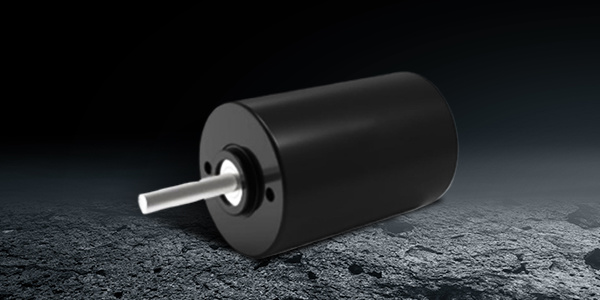
Electric motors are the driving force behind drone propulsion. They convert electrical energy from batteries into mechanical energy, allowing the drone to fly. There are two main types of electric motors used in drones: brushed and brushless motors.
Brushed vs. Brushless Motors
Brushed motors are simpler and cheaper but come with limitations such as shorter lifespan and lower efficiency. Brushless motors, on the other hand, are more complex, featuring higher efficiency and longer lifespan. Most modern drones utilize brushless motors due to their superior performance.
Advantages of Brushless Motors
- Higher Efficiency: Brushless motors convert more electrical energy into mechanical energy, leading to longer flight times.
- Greater Longevity: With no brushes to wear out, these motors have a longer operational life.
- Reduced Maintenance: Brushless motors require less maintenance than their brushed counterparts.
Types of Electric Motors for Drones
While brushless motors dominate the drone market, understanding the different types can help you choose the right motor for specific applications. The most common types include:
DC Motors
Direct current (DC) motors are often used in small drones. They are simple to control and provide adequate power for light payloads.
Stepper Motors
Stepper motors offer precise control, making them suitable for applications requiring accurate positioning, such as gimbals and camera stabilization.
Servo Motors
Servo motors are used in drone control surfaces for maneuverability and stability. They allow for precise adjustments in response to pilot inputs or autopilot commands.
Battery Technology in Drones: Powering the Future
Batteries are another critical component of drone power systems. They store energy that powers the electric motors and other onboard systems. The most commonly used battery technology in drones is Lithium Polymer (LiPo) batteries.
Why Lithium Polymer Batteries Are Preferred
LiPo batteries offer several advantages over other types, including:
- High Energy Density: LiPo batteries provide more energy per weight, allowing for lightweight designs that maximize flight time.
- Low Self-Discharge Rate: This means they can hold their charge for longer periods, making them ideal for sporadic use.
- Versatility: Available in various shapes and sizes, LiPo batteries can be tailored to fit diverse drone designs.
Battery Configuration and Its Impact
The configuration of battery cells (such as 3S, 4S, etc.) affects voltage and overall power capacity. A higher cell count results in higher voltage, which increases the power delivered to the motors. However, it also adds weight, so finding the right balance is key to optimizing performance.
The Role of ESC in Drone Power Systems
Electronic Speed Controllers (ESCs) are critical components that regulate the power delivered to the motors. They convert the DC power from the battery into a signal that drives the motor speed and direction. Understanding their function can help you appreciate their importance in drone performance.
Choosing the Right ESC
When selecting an ESC, consider factors like:
- Voltage Rating: Ensure the ESC can handle the voltage provided by your battery.
- Current Rating: The ESC should be rated to handle the maximum current drawn by the motor.
- Firmware: Some ESCs come with programmable features that can enhance the responsiveness and efficiency of your drone.
Drone Power Management Systems: An Overview
Power management systems monitor and control the distribution of energy within the drone, ensuring all components operate efficiently. These systems typically include battery management systems (BMS) that protect against overcharging, overheating, and excessive discharging.
The Importance of Power Distribution Boards (PDB)
A Power Distribution Board (PDB) simplifies the wiring of various components by providing a centralized location for power connections. This helps in reducing weight and improving the overall reliability of the drone’s power distribution.
Optimizing Drone Performance Through Power Systems
To maximize drone efficiency, operators and engineers must focus on optimizing their power systems. This involves selecting the right combination of motors, batteries, and ESCs to suit specific flight profiles and payloads.
Weight Considerations
The weight of the drone is a crucial factor that directly affects flight time and performance. Lightweight materials and compact components can significantly improve efficiency, allowing for enhanced flight times and payload capacities.
Flight Profiles and Power Needs
Understanding your drone’s flight profile—whether it’s for racing, photography, or surveying—will influence your power system choices. Higher power demands for rapid acceleration require carefully matched motor and battery configurations.
Future Trends in Drone Power Systems
The landscape of drone power systems is continually evolving, with advancements aimed at improving efficiency, reducing weight, and extending flight times. Several trends are shaping the future of drone power systems:
Hybrid Power Systems
Hybrid power systems that combine batteries with fuel cells or solar panels are gaining traction. These systems promise longer flight durations and greater versatility for various applications.
Smart Battery Technology
Smart batteries equipped with sensors and communication capabilities can provide real-time data about their status, allowing for better management and optimization of drone operations.
Advancements in Energy Density
Research into new battery chemistries is ongoing, with the goal of developing batteries that offer higher energy density and faster charging times, pushing the boundaries of current drone capabilities.
FAQs About Drone Power Systems
1. What is the most common type of motor used in drones?
The most common type of motor used in drones is the brushless motor due to its efficiency and longevity.
2. How can I extend my drone's flight time?
Extending flight time can be achieved by using higher-density batteries, optimizing weight, and ensuring efficient power management.
3. What are the signs of a failing battery in a drone?
Signs of a failing battery include reduced flight time, swelling, and difficulty in holding a charge.
4. How do ESCs affect my drone's performance?
ESCs regulate the power delivered to the motors, affecting speed and responsiveness, which are critical for optimal drone performance.
5. Are there any safety concerns with drone power systems?
Yes, safety concerns include battery overheating, short circuits, and proper handling of electrical components to prevent accidents.
Conclusion
Understanding the mechanics of drone power systems sheds light on the intricate technologies that drive these advanced aerial devices. From the electric motors that provide propulsion to the batteries that power them, each component plays a vital role in ensuring efficient and reliable flight. As the industry continues to innovate, staying informed about these developments will not only enhance your appreciation for drone technology but also prepare you for future advancements in this exciting field. By leveraging the insights provided in this article, you are now equipped to navigate the complexities of drone power systems and contribute to the ongoing evolution of aerial technology.
Previous: Understanding Drone Brushless Motors: The Heart of Modern UAV Technology
Next: Essential Flying Drone Accessories for Enhanced Performance


Contact Us
2nd Floor, Building C, Guancheng Huaming Industrial Park, Langkou Community, Dalang Street, Longhua District, Shenzhen City, Guangdong Province