







May 20,2026
Understanding Drone Brushless Motors: The Heart of Modern UAV Technology
--- Drone brushless motors have become a cornerstone in the evolution of unmanned aerial vehicles (UAVs), transforming the way we perceive and utilize drones for various applications. These motors operate without brushes, thus offering numerous advantages over their brushed counterparts, including higher efficiency, longer lifespan, and reduced maintenance requirements. One of the primary benefit
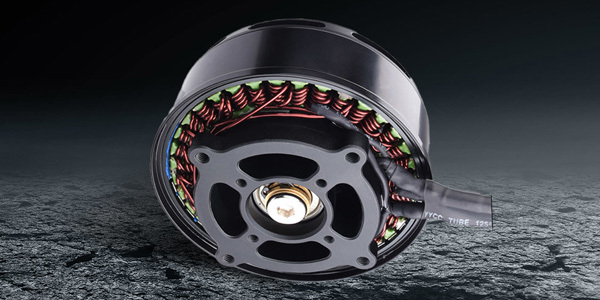
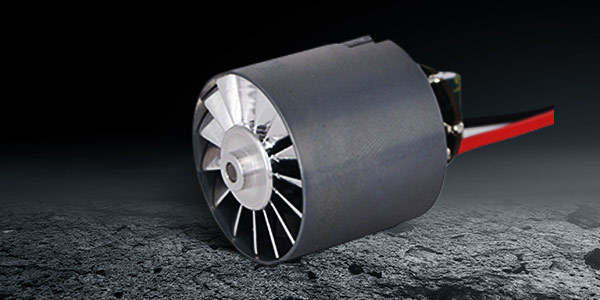
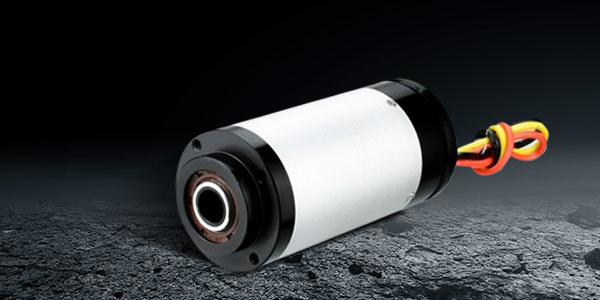
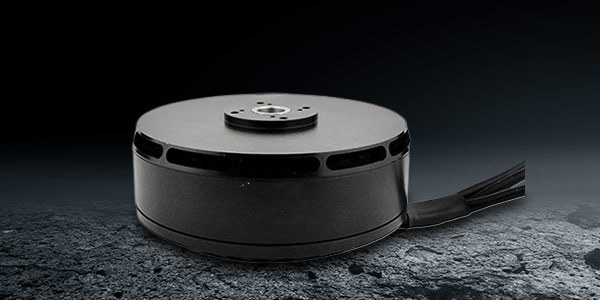
Drone brushless motors have become a cornerstone in the evolution of unmanned aerial vehicles (UAVs), transforming the way we perceive and utilize drones for various applications. These motors operate without brushes, thus offering numerous advantages over their brushed counterparts, including higher efficiency, longer lifespan, and reduced maintenance requirements.
One of the primary benefits of drone brushless motors is their efficiency. By eliminating the brushes that create friction and heat in traditional motors, brushless motors can convert a greater percentage of electrical energy into mechanical power. This efficiency translates into longer flight times and improved performance for various drone operations, whether for aerial photography, agricultural monitoring, or even search and rescue missions.
Another significant advantage is the durability and longevity of brushless motors. Since there are fewer moving parts susceptible to wear and tear, these motors can endure the rigors of continuous operation. This reliability is crucial for commercial applications where downtime can lead to significant operational setbacks. Additionally, the reduced mechanical wear leads to less frequent maintenance, allowing operators to focus on their tasks rather than on upkeep.
In terms of performance, drone brushless motors can provide high torque at low speeds, making them ideal for the precise maneuvering required in drone operations. The absence of brushes also means that there is less electromagnetic interference, resulting in cleaner signals and better control responsiveness. This characteristic is particularly important for applications that demand a high level of precision, such as filming or surveying.
Moreover, brushless motors typically operate at higher RPMs (revolutions per minute) compared to brushed motors, which can lead to better overall speed and agility. The ability to maintain consistent performance over a wide range of speeds further enhances the versatility of drones equipped with brushless motors.
When selecting a brushless motor for a drone, several factors should be considered, such as the motor's size, weight, thrust-to-weight ratio, and compatibility with the drone's electronic speed controllers (ESCs). Proper matching of these components is essential to ensure optimal performance and efficiency.
In conclusion, drone brushless motors play an integral role in the functionality and effectiveness of modern UAVs. With their enhanced efficiency, durability, and performance characteristics, these motors are pivotal in advancing drone technology across various industries. As more users recognize the benefits of brushless motors, their application in the drone industry will only continue to grow, paving the way for innovative uses and enhancements in aerial technology. Understanding the intricacies of drone brushless motors equips users with the knowledge needed to make informed decisions, whether for hobbyist pursuits or professional implementations.
Previous: The Critical Significance of High Torque Drone Motors in Racing Drones
Next: An Insider's Look at the Mechanics of Drone Power Systems


Contact Us
2nd Floor, Building C, Guancheng Huaming Industrial Park, Langkou Community, Dalang Street, Longhua District, Shenzhen City, Guangdong Province