







Jun 09,2026
The Future of Drones in Electric Motor Applications
Drones, often referred to as Unmanned Aerial Vehicles (UAVs), have gained significant traction across various sectors, including the electric motor industry. With advancements in battery technology and electric motor designs, drones have become more efficient, versatile, and capable of performing a multitude of tasks. As professionals in the electrical and motor sectors, understanding the potentia
One primary application of drones in the electric motor industry is in the field of inspection and maintenance. Drones equipped with high-resolution cameras and sensors can conduct aerial inspections of electrical infrastructure, such as power lines and wind turbines, which are often difficult to access. This not only enhances safety for maintenance personnel but also improves efficiency by reducing the time and costs associated with manual inspections.
Moreover, drones can also play a crucial role in monitoring large-scale electric motor installations. Using drones equipped with thermal imaging cameras, technicians can identify overheating components or electrical anomalies within motor assemblies. This proactive approach to maintenance can prevent costly downtime and improve the longevity of electric motors.
In addition to inspection and monitoring, drones can be instrumental in logistics and inventory management within the electric motor sector. Drones can facilitate the swift transportation of small electric motor components, improving supply chain efficiency. This capability can be especially beneficial in remote or hard-to-reach areas where traditional transportation methods may be limited.
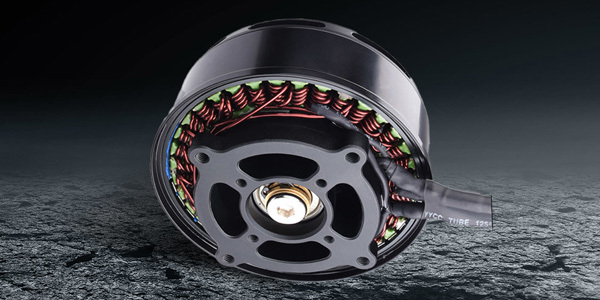
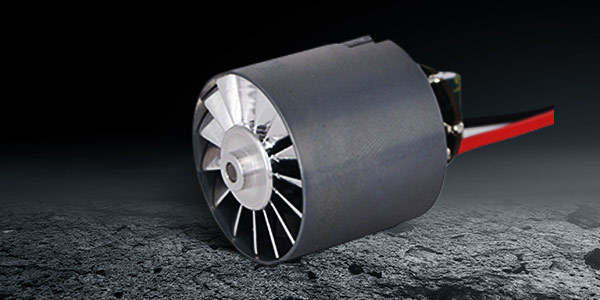
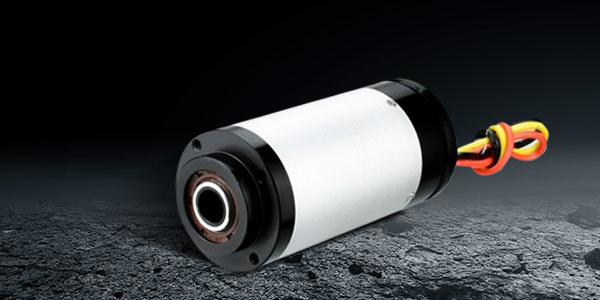
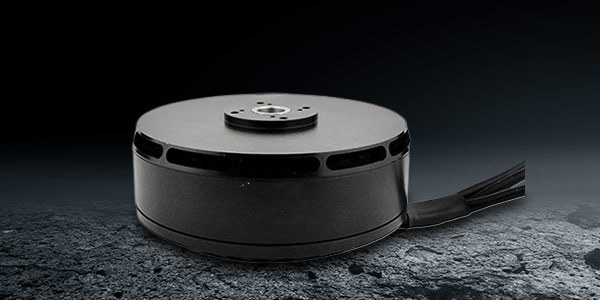
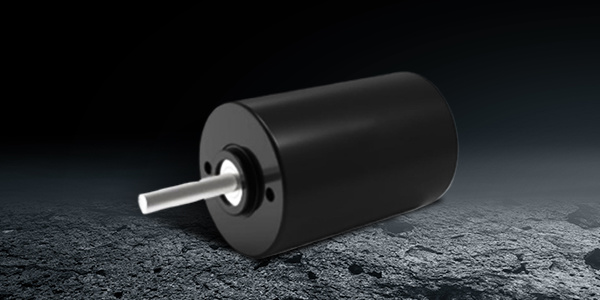
When considering the integration of drones into electric motor applications, several technical factors must be addressed. The selection of electric motors for drones is pivotal, as they must be lightweight yet powerful enough to handle the drone's payload. Brushless DC motors are commonly used due to their high efficiency and reliability, making them ideal for UAV applications. Additionally, the battery technology chosen for drones should align with the operational requirements, balancing energy density and weight.
As drone technology continues to evolve, it is essential for professionals in the electric motor sector to stay informed about emerging trends and innovations. The synergy between drones and electric motors is likely to expand, opening new avenues for applications and advancements in efficiency. Staying ahead of these developments could provide substantial competitive advantages in the market.
In conclusion, drones represent a transformative technology within the electric motor industry. Their applications in inspection, maintenance, and logistics highlight the potential for increased efficiency and safety. By understanding the technical considerations involved, industry professionals can better position themselves to leverage these advancements for future success.
Previous: Flying Drone Motors vs. Traditional Motors: What’s the Difference?
Latest News


Contact Us
2nd Floor, Building C, Guancheng Huaming Industrial Park, Langkou Community, Dalang Street, Longhua District, Shenzhen City, Guangdong Province