







Jun 14,2026
Flying Drone Motors vs. Traditional Motors: What’s the Difference?
Flying Drone Motors vs. Traditional Motors: What’s the Difference? Table of Contents 1. Introduction to Motors 2. Understanding Flying Drone Motors 3. Understanding Traditional Motors 4. Key Differences Between Drone Motors and Traditional Motors 5. Performance Comparison of Drone and Traditional Motors 6. Applications of Drone Motors vs. Traditional Motors 7. How to
Flying Drone Motors vs. Traditional Motors: What’s the Difference?
Table of Contents
- 1. Introduction to Motors
- 2. Understanding Flying Drone Motors
- 3. Understanding Traditional Motors
- 4. Key Differences Between Drone Motors and Traditional Motors
- 5. Performance Comparison of Drone and Traditional Motors
- 6. Applications of Drone Motors vs. Traditional Motors
- 7. How to Choose the Right Motor for Your Needs
- 8. Future Trends in Motor Technology
- 9. Frequently Asked Questions
- 10. Conclusion
1. Introduction to Motors
Motors are at the heart of virtually every machine and device that requires movement or energy conversion. They transform electrical energy into mechanical energy, enabling a wide range of applications from household appliances to industrial machinery. In recent years, the advent of drone technology has brought about a new category of motors specifically designed for aerial applications. This article will delve into the differences between flying drone motors and traditional motors, providing a comprehensive overview to help you understand which type best suits your needs.
2. Understanding Flying Drone Motors
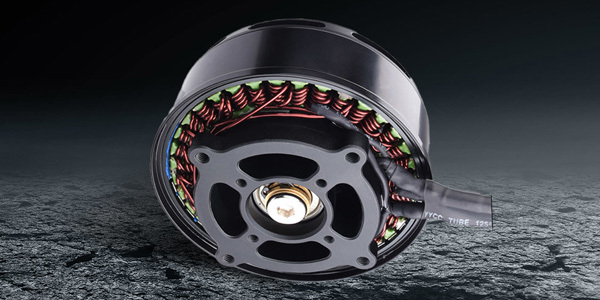
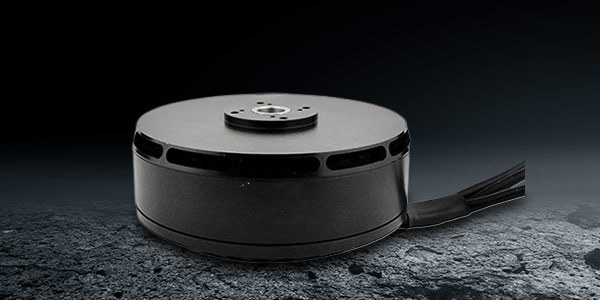
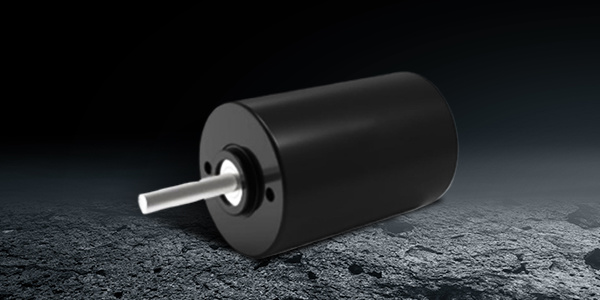
Flying drone motors, often referred to as brushless DC (BLDC) motors, are engineered specifically for drones and other unmanned aerial vehicles (UAVs). These motors are designed to provide high efficiency, low weight, and excellent power-to-weight ratios. One of the defining features of drone motors is their ability to deliver rapid acceleration and precise control, which are crucial for stable flight.
2.1 Features of Drone Motors
- **Brushless Design**: These motors operate without brushes, which reduces friction and wear, leading to longer lifespans and increased efficiency.
- **High RPM**: Drone motors are designed to operate at high revolutions per minute (RPM), allowing them to generate enough lift for aerial maneuvers.
- **Compact Size**: Lightweight and compact, drone motors are optimized to provide maximum power without adding unnecessary weight to the UAV.
- **Electronic Speed Controllers (ESCs)**: Most drone motors work in conjunction with ESCs, which regulate the motor’s speed and help maintain stability during flight.
3. Understanding Traditional Motors
Traditional motors encompass a broad category, including brushed DC motors, AC motors, servo motors, and stepper motors. These motors are primarily designed for stationary applications or applications where movement is not as rapid or exigent as in drones.
3.1 Features of Traditional Motors
- **Brushed and Brushless Variants**: Traditional motors can be either brushed, which use physical contact to create rotation, or brushless, which utilize electronic controls for efficiency.
- **Diverse Applications**: Traditional motors are versatile, used in everything from home appliances to industrial machinery.
- **Power Output**: They generally provide consistent torque and power over a broader range of speeds compared to drone motors, making them suitable for applications requiring steady motion rather than rapid acceleration.
4. Key Differences Between Drone Motors and Traditional Motors
The differences between flying drone motors and traditional motors can be categorized into several key areas:
4.1 Design and Construction
- Drone motors are lightweight and compact, whereas traditional motors can be bulkier and heavier.
- The brushless design of drone motors contributes to greater efficiency compared to many traditional brushed motors.
4.2 Efficiency and Performance
- Drone motors are optimized for high RPM and rapid acceleration, making them suitable for flight applications.
- Traditional motors, especially larger AC motors, offer consistent torque and efficiency at lower RPMs, ideal for industrial applications.
4.3 Control Systems
- Drone motors typically require sophisticated ESCs for speed regulation and stabilization, while traditional motors may operate with simpler controls.
5. Performance Comparison of Drone and Traditional Motors
When comparing performance, drone motors excel in environments requiring rapid changes in velocity and direction. Their ability to reach high speeds quickly is crucial for maintaining stability during flight. On the other hand, traditional motors are built for tasks requiring sustained power and torque, such as driving conveyor belts or powering machinery.
5.1 Efficiency Metrics
- **Drone Motors**: Often exceed 80-90% efficiency, especially in optimized environments.
- **Traditional Motors**: Efficiency can vary widely, generally ranging from 70-90%, depending on the design and application.
5.2 Speed and Torque
- **Drone Motors**: Provide high RPM and lower torque, suitable for rapid acceleration.
- **Traditional Motors**: Offer high torque at lower RPMs, ideal for applications requiring steady power.
6. Applications of Drone Motors vs. Traditional Motors
Understanding the applications of each type of motor is essential for making informed decisions:
6.1 Applications of Drone Motors
- **Aerial Photography**: Used in drones for capturing high-quality aerial images and videos.
- **Delivery Services**: Employed in UAVs for transporting goods efficiently.
- **Agricultural Monitoring**: Harnessed for crop surveillance and agricultural data collection.
6.2 Applications of Traditional Motors
- **Industrial Machinery**: Used in manufacturing equipment, conveyor systems, and assembly lines.
- **Household Appliances**: Powering everything from washing machines to vacuum cleaners.
- **HVAC Systems**: Driving fans and pumps in heating, ventilation, and air conditioning systems.
7. How to Choose the Right Motor for Your Needs
Selecting the appropriate motor depends on several factors, including the application's specific requirements, desired performance characteristics, and environmental conditions.
7.1 Considerations for Drone Motors
- **Weight Limitations**: Ensure the motor can handle the weight of the drone and any additional payload.
- **Efficiency Needs**: Choose motors with higher efficiency for extended flight times.
7.2 Considerations for Traditional Motors
- **Power Requirements**: Determine the necessary torque and speed for your application.
- **Environment**: Consider the operational environment, such as temperature and humidity levels.
8. Future Trends in Motor Technology
Innovation in motor technology is rapidly evolving, with trends indicating improvements in efficiency, miniaturization, and advanced control systems. Key future developments include:
8.1 Advances in Brushless Technology
The continuous development of brushless technologies promises to reduce weight and increase performance in both drone and traditional motors.
8.2 Integration with AI and IoT
Future motors may increasingly incorporate artificial intelligence and the Internet of Things (IoT) for smarter operation and diagnostics.
9. Frequently Asked Questions
9.1 What is the main difference between drone motors and traditional motors?
The primary difference lies in their design and application; drone motors are optimized for lightweight, high-speed performance, while traditional motors are designed for sustained power and torque.
9.2 Can traditional motors be used in drones?
While it is possible, traditional motors may not provide the efficiency and performance required for optimal drone flight.
9.3 How do I determine the right motor size for my drone?
Consider the total weight of your drone and payload, as well as the desired thrust-to-weight ratio for optimal flight performance.
9.4 Are drone motors more expensive than traditional motors?
Generally, drone motors can be more costly due to their specialized design and technology, but this varies by brand and specifications.
9.5 What advancements are being made in drone motor technology?
Advancements in brushless technology, battery efficiency, and smart control systems are at the forefront of drone motor innovation.
10. Conclusion
In summary, understanding the differences between flying drone motors and traditional motors is essential for anyone involved in technology, engineering, or hobbyist pursuits. With unique designs tailored to meet specific application needs, both types of motors serve crucial roles in their respective fields. As technology continues to evolve, we can expect further advancements that will enhance the efficiency and capabilities of both drone and traditional motors. Whether you are developing a drone for aerial photography or selecting a motor for industrial machinery, being informed about these differences will lead to better decision-making and improved outcomes.
Previous: The Essential Guide to Brushless Motors for Flying Drones
Latest News


Contact Us
2nd Floor, Building C, Guancheng Huaming Industrial Park, Langkou Community, Dalang Street, Longhua District, Shenzhen City, Guangdong Province