







Jul 09,2026
Understanding Drone Brushless Motors: Key Insights for Professionals in the Electrical Industry
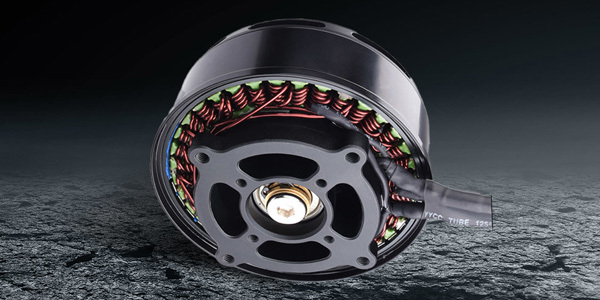
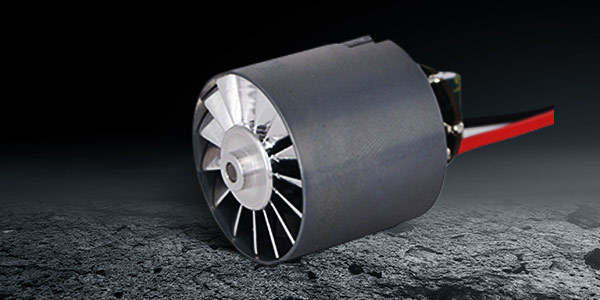
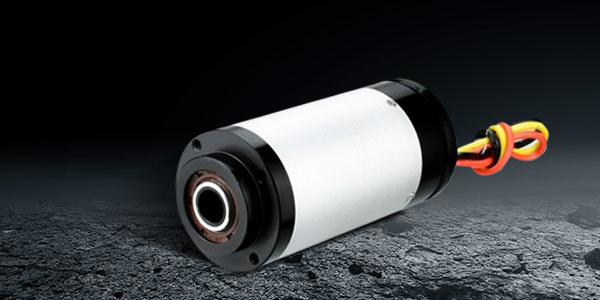
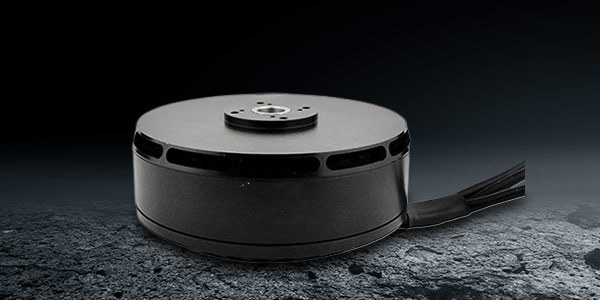
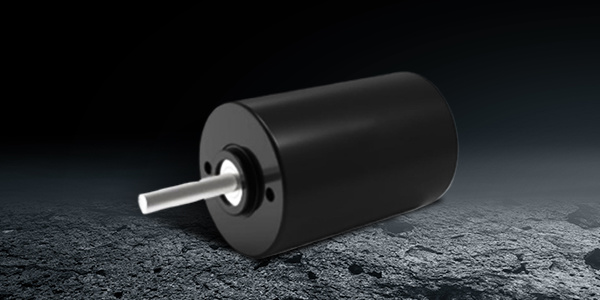
Drone brushless motors have emerged as a pivotal component in the evolution of unmanned aerial vehicles (UAVs), commonly known as drones. Unlike traditional brushed motors, brushless motors operate without brushes, which significantly reduces friction, resulting in higher efficiency, longer lifespan, and reduced maintenance needs. This technology has become particularly relevant in the electrical
One of the key advantages of drone brushless motors is their efficiency. They convert electrical energy into mechanical energy more effectively than their brushed counterparts. This efficiency translates into better flight times and improved performance in terms of speed and responsiveness. For professionals in the electrical field, understanding this efficiency is crucial when designing systems that require high-performance motors.
Additionally, the design of drone brushless motors allows for superior thermal management. With no brushes to generate heat through friction, these motors can operate at higher temperatures without risking damage. This characteristic is essential for applications where overheating could lead to failures or reduced performance. For electrical engineers, selecting motors that maintain optimal thermal conditions can enhance system reliability and longevity.
Another important aspect of drone brushless motors is their torque delivery. They can provide high torque at low speeds, making them highly versatile for various applications. For instance, in aerial photography or surveying drones, the ability to maintain stable flight at low velocities is critical. Understanding the torque characteristics of these motors enables professionals to select the right motor for specific applications, ensuring optimal performance and reliability.
When it comes to control and programmability, drone brushless motors often utilize electronic speed controllers (ESCs), which provide precise control over the motor's speed and direction. This level of control is vital in applications requiring fine adjustments and real-time feedback. Electrical engineers must consider the compatibility of motors and ESCs to ensure seamless integration and performance optimization.
In summary, drone brushless motors represent a significant advancement in electric motor technology, particularly for applications in the electrical industry. Their efficiency, thermal management, torque characteristics, and precise control make them ideal for a variety of uses, from consumer drones to industrial applications. Professionals in the field should prioritize understanding these features to make informed decisions regarding motor selection and system design. With the continuous growth of drone technology, staying informed about advancements in brushless motor technology will be essential for success in the dynamic landscape of the electrical and electronics industries.
Previous: Mastering the Maintenance of High Torque Drone Motors for Extended Lifespan
Next: Future-Proofing UAVs: The Importance of Modern Drone Power Systems


Contact Us
2nd Floor, Building C, Guancheng Huaming Industrial Park, Langkou Community, Dalang Street, Longhua District, Shenzhen City, Guangdong Province