






Jul 14,2026
Mastering the Maintenance of High Torque Drone Motors for Extended Lifespan
How to Maintain Your High Torque Drone Motors for Longevity Table of Contents Understanding High Torque Drone Motors The Importance of Motor Maintenance Essential Maintenance Tips for High Torque Motors Routine Cleaning Procedures Lubrication Techniques for Optimal Performance Battery Care and Maintenance Common Problems and Solutions for
How to Maintain Your High Torque Drone Motors for Longevity
Table of Contents
- Understanding High Torque Drone Motors
- The Importance of Motor Maintenance
- Essential Maintenance Tips for High Torque Motors
- Routine Cleaning Procedures
- Lubrication Techniques for Optimal Performance
- Battery Care and Maintenance
- Common Problems and Solutions for Drone Motors
- Testing and Diagnostics of High Torque Motors
- Best Practices for Storing Drone Motors
- When to Upgrade or Replace Drone Motor Parts
- Final Thoughts on Drone Motor Maintenance
Understanding High Torque Drone Motors
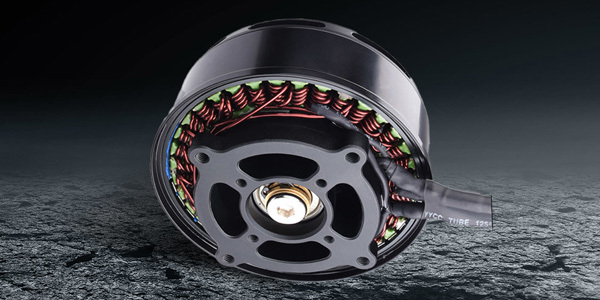
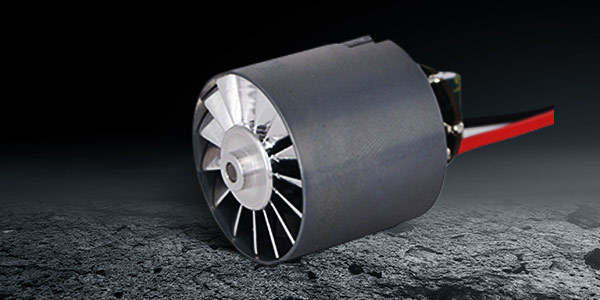
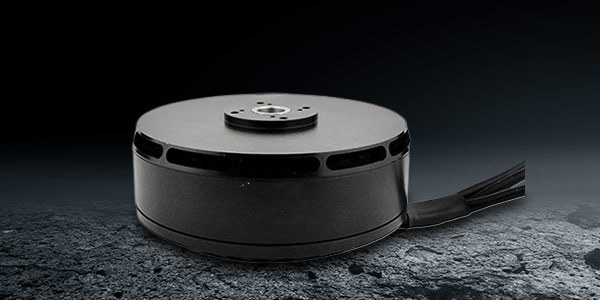
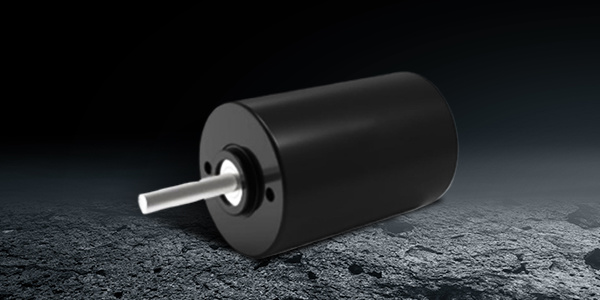
High torque drone motors play a crucial role in the performance of unmanned aerial vehicles. Designed to provide exceptional lift and maneuverability, these motors are essential for various applications, from recreational flying to commercial tasks such as aerial photography and surveying. Understanding their components, functionality, and the specific stresses they endure can help drone enthusiasts and professionals alike ensure their motors operate effectively over time.
The Importance of Motor Maintenance
Proper maintenance of high torque drone motors is vital for several reasons. Regular upkeep not only extends the lifespan of the motors but also enhances overall flight performance. A well-maintained motor minimizes the risk of failures and improves reliability, which is especially important in professional applications where precision is key. Additionally, preventative maintenance can identify potential issues before they escalate into costly repairs or replacements.
Essential Maintenance Tips for High Torque Motors
To keep your high torque drone motors functioning optimally, consider these essential maintenance tips:
Routine Cleaning Procedures
Cleaning your drone motors regularly helps remove debris, dust, and other contaminants that can affect performance. Follow these steps for effective cleaning:
1. **Disconnect the Battery**: Always power down and disconnect your drone before starting the cleaning process.
2. **Use Compressed Air**: Gently blow out dust and debris from the motor using a can of compressed air. Ensure you do this carefully to avoid damaging any components.
3. **Wipe Down Surfaces**: Use a soft, lint-free cloth to wipe down the exterior of the motor. Avoid using any harsh chemicals that may corrode parts.
4. **Inspect for Damage**: While cleaning, take the opportunity to inspect the motor for any signs of wear, such as frayed wires or corrosion.
Lubrication Techniques for Optimal Performance
Lubrication is another critical aspect of motor maintenance. Proper lubrication reduces friction and heat buildup, which can prolong motor life. Here’s how to do it:
1. **Choose the Right Lubricant**: Use a lightweight, non-conductive lubricant suitable for electric motors.
2. **Apply Sparingly**: Apply a small amount of lubricant to the bearings and moving parts of the motor. Too much lubricant can attract dirt and debris.
3. **Rotate the Motor**: After application, manually rotate the motor to distribute the lubricant evenly.
Battery Care and Maintenance
The performance of high torque drone motors is closely linked to the battery's condition. Follow these battery care tips:
1. **Regular Charging Cycles**: Ensure you recharge your batteries according to the manufacturer’s guidelines.
2. **Avoid Over-Discharging**: Don’t let your battery drain completely before recharging, as this can damage the cells.
3. **Temperature Control**: Store batteries in a cool, dry place to prevent overheating and degradation.
Common Problems and Solutions for Drone Motors
Understanding common issues can help you troubleshoot effectively:
1. **Overheating**: If motors are overheating, check for debris, ensure proper lubrication, and verify the battery’s health.
2. **Poor Performance**: If you notice a drop in performance, it might be time to clean or replace the propellers and inspect for mechanical obstructions.
3. **Unusual Noises**: Strange noises often indicate that parts are not functioning smoothly. Inspect for loose screws or lack of lubrication.
Testing and Diagnostics of High Torque Motors
Regular testing can help you identify issues early. Here are some diagnostic methods:
1. **Visual Inspections**: Regular checks for signs of damage or wear.
2. **Rotational Tests**: Manually rotate the motor to ensure it spins freely without binding.
3. **Voltage Checks**: Use a multimeter to check the voltage output of the motor; an abnormal reading may indicate an issue.
Best Practices for Storing Drone Motors
Proper storage is crucial for maintaining the integrity of your motors. Consider the following practices:
1. **Store in a Climate-Controlled Environment**: Avoid extreme temperatures and humidity, which can harm the motor components.
2. **Keep Components Together**: Store motors with their corresponding parts to avoid misplacing crucial components.
3. **Use Protective Cases**: Invest in protective cases to shield motors from physical damage during storage.
When to Upgrade or Replace Drone Motor Parts
Knowing when to upgrade or replace parts is essential for maintaining performance:
1. **Performance Degradation**: If you frequently face issues with performance, it may be time for an upgrade.
2. **Visible Damage**: If components show significant wear or damage, replacing them can prevent further issues.
3. **Technological Advances**: Consider upgrading to newer motor models that offer better efficiency, power, or durability.
Final Thoughts on Drone Motor Maintenance
Maintaining high torque drone motors is a crucial aspect of ensuring longevity and optimal performance. By following the maintenance tips outlined in this guide, including routine cleaning, proper lubrication, and battery care, we can significantly extend the lifespan of our motors. Regular diagnostics and proactive upgrades will also help keep our drones flying at their best. Remember, a well-maintained drone not only enhances your flying experience but also provides reliability and peace of mind in every flight.
Frequently Asked Questions (FAQs)
1. How often should I clean my drone motors?
It is advisable to clean your drone motors after every few flights, especially if you are flying in dusty or dirty conditions.
2. What type of lubricant should I use for my drone motors?
Use a lightweight, non-conductive lubricant designed for electric motors to ensure safe and effective lubrication.
3. Can I use my drone in rainy conditions?
While some drones are water-resistant, it’s best to avoid flying in heavy rain as moisture can damage the motors and electronics.
4. How do I know if my drone motor needs replacing?
Signs of excessive wear, overheating, unusual noises, or performance issues may indicate that your motor needs replacing.
5. Is it necessary to upgrade my drone motors regularly?
While it's not strictly necessary, upgrading your motors can enhance performance and efficiency, especially as newer technologies become available.
Previous: None
Next: Understanding Drone Brushless Motors: Key Insights for Professionals in the Electrical Industry


Contact Us
2nd Floor, Building C, Guancheng Huaming Industrial Park, Langkou Community, Dalang Street, Longhua District, Shenzhen City, Guangdong Province