







Jul 19,2026
Understanding Drone Motors: The Heart of Aerial Technology
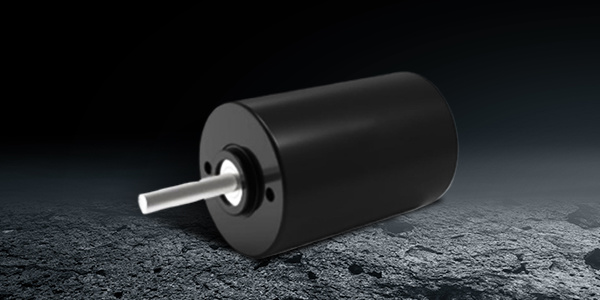
--- In the rapidly evolving field of drone technology, drone motors play a pivotal role in determining the efficiency, speed, and maneuverability of these flying machines. Understanding the intricacies of these motors can greatly enhance one’s appreciation of how drones operate and contribute to various industries. Drone motors, typically categorized into brushed and brushless types, serve as the
In the rapidly evolving field of drone technology, drone motors play a pivotal role in determining the efficiency, speed, and maneuverability of these flying machines. Understanding the intricacies of these motors can greatly enhance one’s appreciation of how drones operate and contribute to various industries.
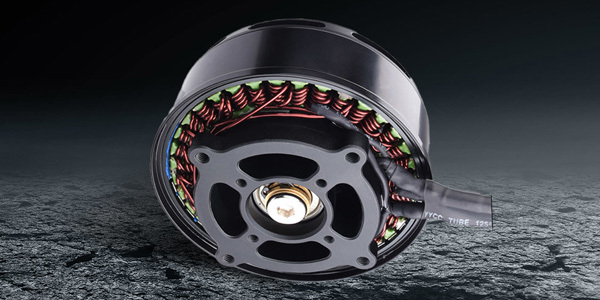
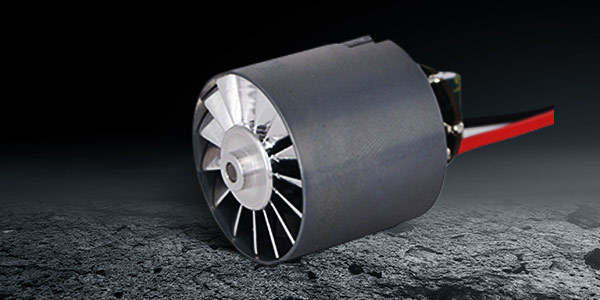
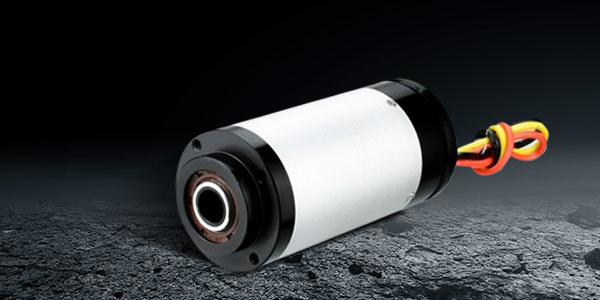
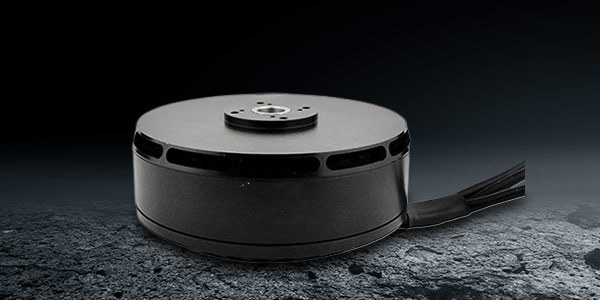
Drone motors, typically categorized into brushed and brushless types, serve as the driving force behind a drone's ability to fly. Brushed motors, while cheaper and simpler to control, are gradually being replaced by brushless motors due to their superior performance. Brushless motors are more efficient, have a longer lifespan, and provide better torque, making them the preferred choice for most modern drones.
The power of a drone motor is measured in terms of kV (kilovolt), which indicates the motor's RPM (revolutions per minute) per volt applied. Higher kV ratings can translate to faster speeds, but they may also consume more battery power. When selecting drone motors, it’s crucial to find a balance between speed and efficiency, as this directly affects flight time and overall performance.
Another vital aspect of drone motors is their compatibility with electronic speed controllers (ESCs). The ESC regulates the power supplied to the motor, ensuring that it operates within the desired parameters. A well-matched ESC and motor combination can dramatically improve a drone’s responsiveness and stability during flight.
Additionally, the choice of propellers can significantly impact how drone motors perform. Props come in various sizes and shapes, affecting lift and thrust. Pairing the right propeller with the correct motor type and size is essential to achieving optimal flight characteristics.
In terms of applications, drone motors are not just limited to recreational flying. They are instrumental in various sectors, including agriculture, surveillance, search and rescue, and even delivery services. The demand for high-performance drone motors continues to rise as industries explore innovative ways to leverage drone technology.
Another interesting trend in drone motors is the development of high-efficiency models that can deliver more power with less battery consumption. This advancement is crucial as it extends flight times and enhances the operational range of drones, making them more viable for professional use.
In summary, drone motors are a fundamental component that dictates the performance and capabilities of drones. Understanding their types, specifications, and interactions with other components is essential for anyone looking to enhance their drone experience or utilize drones for professional purposes. Whether you are a hobbyist or a professional, gaining insights into drone motors can lead to better-informed decisions, ultimately improving your aerial adventures.
Previous: Drone Power Kits: Revolutionizing Electric Motor Maintenance and Repair
Next: Mastering the Maintenance of High Torque Drone Motors for Extended Lifespan


Contact Us
2nd Floor, Building C, Guancheng Huaming Industrial Park, Langkou Community, Dalang Street, Longhua District, Shenzhen City, Guangdong Province