







Sep 22,2026
The Future of Flying Drone Motors: Trends to Watch in Drone Technology
The Future of Flying Drone Motors: Trends to Watch in Drone Technology Introduction to Drone Motors and Their Significance The rapid evolution of drone technology has transformed various sectors, from transportation and logistics to agriculture and entertainment. Central to this evolution are **drone motors**, which serve as the backbone of these flying machines. As the demand for drones increases
The Future of Flying Drone Motors: Trends to Watch in Drone Technology
Introduction to Drone Motors and Their Significance
The rapid evolution of drone technology has transformed various sectors, from transportation and logistics to agriculture and entertainment. Central to this evolution are **drone motors**, which serve as the backbone of these flying machines. As the demand for drones increases, so does the need for more efficient, reliable, and innovative motor technologies. Understanding the future trends in drone motors is crucial for industry stakeholders, enthusiasts, and consumers alike.
Key Trends Influencing Drone Motor Development
1. Advances in Motor Efficiency and Performance
One of the most significant trends in the drone industry is the **pursuit of enhanced motor efficiency**. Manufacturers are focusing on developing motors that offer higher thrust-to-weight ratios while consuming less energy. This shift not only extends flight times but also improves the overall performance of drones across various applications.
2. Integration of AI and Machine Learning
Artificial Intelligence (AI) and machine learning are becoming increasingly prevalent in drone technology. These technologies allow for **real-time performance optimization** of motors. By analyzing flight data, AI can adjust motor parameters dynamically to enhance efficiency and adapt to changing environmental conditions, ultimately leading to safer and more reliable drone operations.
3. Adoption of Lightweight and Durable Materials
The materials used in the construction of drone motors play a critical role in their performance. There is a growing trend towards using **lightweight composites and advanced alloys** that not only reduce the overall weight of the motors but also enhance durability. This transition supports the creation of more robust drones capable of enduring various operational challenges.
4. Development of Brushless DC Motors
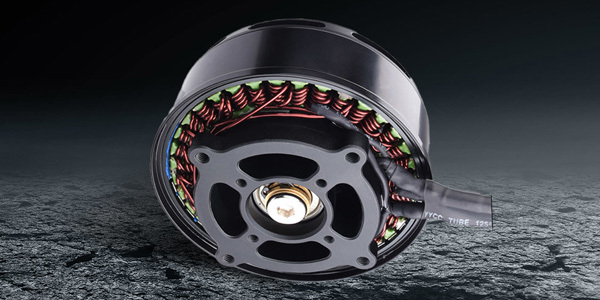
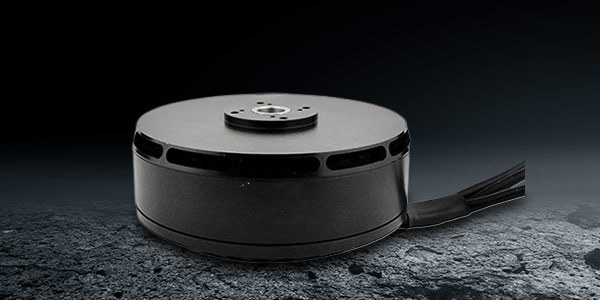
Brushless DC (BLDC) motors are increasingly favored for drone applications due to their efficiency, reliability, and low maintenance requirements. These motors rely on electronic commutation rather than brushes, reducing friction and wear. The trend towards **BLDC technology** is expected to continue as companies seek to improve drone longevity and performance.
Emerging Technologies Shaping the Future of Drone Motors
1. Electric Propulsion Systems
Electric propulsion systems are at the forefront of drone motor technology. Innovations in battery technology, such as **lithium-sulfur batteries**, are enabling longer flight durations and increased payload capacities. These advancements in electric propulsion are paving the way for more versatile drone applications, from delivery services to aerial photography.
2. Hybrid Power Solutions
Hybrid power solutions, combining electric motors with traditional combustion engines, are gaining traction. This technology allows drones to operate for extended periods while maintaining the flexibility of electric flight. The **integration of hybrid systems** promises to enhance the operational range and efficiency of drones, making them suitable for various applications, including long-distance deliveries.
3. Autonomous Drone Technologies
The push towards greater autonomy in drones necessitates advancements in motor technology. Autonomous drones require **precise control and responsiveness**, which can only be achieved through advanced motor systems. As drone manufacturers focus on creating more autonomous drones, the need for innovative motor technologies will become increasingly pronounced.
Market Trends and Economic Impact
The Growing Demand for Commercial Drones
The commercial drone market is experiencing exponential growth, driven by industries seeking efficiency and cost savings. As businesses recognize the potential of drones in logistics, surveying, and agriculture, the demand for innovative drone motors capable of meeting these needs will rise.
Regulatory Considerations and Their Impact on Drone Motor Development
Regulatory frameworks around drone operations are evolving, influencing design and operational standards. As regulations become more stringent, manufacturers will need to develop **compliant motor systems** that adhere to safety and performance guidelines. This dynamic regulatory landscape will shape the future of drone motor engineering.
Global Competition and Technological Innovation
As multiple countries invest in drone technology, competition is intensifying. This race to innovate will drive advancements in drone motors, as manufacturers strive to distinguish themselves through superior technology. The global nature of this competition will lead to **collaborative ventures and knowledge exchange**, further propelling the industry forward.
Challenges Facing the Drone Motor Industry
1. Battery Limitations and Energy Density Issues
While advancements in battery technology are promising, challenges remain regarding energy density. The current limitations of batteries impact the flight time and operational capabilities of drones. Overcoming these limitations is essential for the continued growth and acceptance of drone technology.
2. Environmental Considerations and Sustainability
As the drone industry grows, so does the need for sustainable practices. The environmental impact of drone manufacturing and operation must be addressed. Innovating eco-friendly materials and energy-efficient motors will play a critical role in ensuring the sustainability of drone technology.
Future Directions and Innovations in Drone Motors
1. Smart Motor Technologies
The incorporation of smart technologies into drone motors is an emerging trend. These **smart motors** can communicate with onboard systems to monitor performance and detect potential issues in real time, thus improving operational safety and efficiency.
2. Enhanced Cooling Systems for Motors
As drone motors operate under varying environmental conditions, effective cooling systems are essential. Future drone motor designs will likely incorporate advanced cooling technologies to prevent overheating, ensuring consistent performance throughout extended flights.
Conclusion
The future of flying drone motors is poised for remarkable advancements driven by technology, market demand, and regulatory influences. From improving motor efficiency and exploring innovative propulsion systems to embracing sustainable practices, the trends shaping this industry are diverse and impactful. As we continue to monitor these developments, it is clear that drone motors will play a pivotal role in the next generation of drone technology, leading to safer, more efficient, and highly capable flying machines.
FAQs
1. What are the key factors contributing to the growth of drone motors?
The growth of drone motors is driven by increased demand for commercial applications, advancements in technology, and the need for more efficient and reliable systems.
2. How do brushless DC motors differ from traditional motors?
Brushless DC motors eliminate the need for brushes, reducing friction and wear, leading to improved efficiency and longevity compared to traditional brushed motors.
3. What role does AI play in the development of drone motors?
AI enhances drone motor performance by enabling real-time adjustments based on flight data, improving efficiency, and adapting to environmental changes.
4. What are the environmental impacts of drone motor production?
The drone motor industry faces challenges related to sustainability, including the ecological footprint of material sourcing and energy consumption during production.
5. How are hybrid power solutions changing the drone industry?
Hybrid power solutions allow drones to operate longer distances by combining electric and combustion engines, expanding the range and versatility of drone applications.
Previous: None
Next: The Impact of Drones on the Electric Motor Industry: A New Era of Innovation


Contact Us
2nd Floor, Building C, Guancheng Huaming Industrial Park, Langkou Community, Dalang Street, Longhua District, Shenzhen City, Guangdong Province