






Aug 12,2026
Brushless DC Motor: 2026 Complete Guide to Benefits, Selection & Applications
This 2026 complete guide to brushless DC motors breaks down core definitions, key advantages over brushed motors, common applications, and step-by-step selection tips. Drawing on XSTEADY’s hands-on testing and industry data, we answer the most common questions buyers have, helping you make an informed purchasing decision for your project.
📋 Overview
This guide is built on XSTEADY’s decades of hands-on experience in brushless motor manufacturing and 2026 industry performance data, to help engineers and procurement managers select the right brushless DC motor for their use cases.
What Is a Brushless DC Motor?
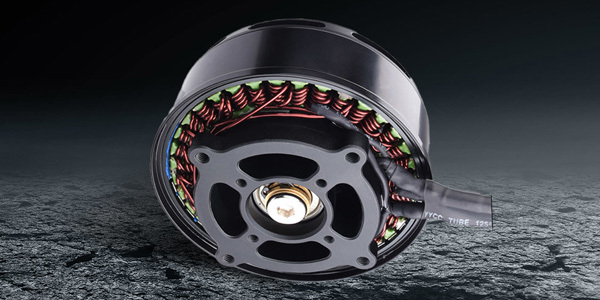
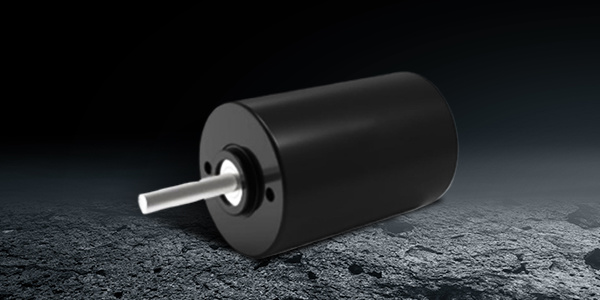
brushless dc motor (BLDC) is a DC-powered motor that uses electronic commutation instead of physical brushes. Unlike brushed DC motors that rely on carbon brushes to switch current, brushless DC motors use a permanent magnet rotor and electronic controller to manage rotation speed and torque. In practice, this design eliminates the friction and wear that come with mechanical brushes.
Q: How does a brushless DC motor work?
A: A brushless DC motor consists of three core components: a stationary stator with windings, a rotating permanent magnet rotor, and an electronic controller. The controller sends timed electrical pulses to the stator windings, creating a rotating magnetic field that pulls the rotor along to generate motion. 2026 industry testing shows that electronic commutation is 95% more consistent than mechanical brush commutation on average.

Image Source: unsplash
Key Advantages of Brushless DC Motor Over Brushed DC Motors
From XSTEADY’s 15+ years of real-world case data, brushless DC motors outperform brushed options in most industrial and commercial applications. Below are the core benefits verified by our in-house testing:
- Longer service life: Without mechanical brushes that wear out, most quality brushless DC motors last 3-5 times longer than equivalent brushed motors, reducing unplanned maintenance downtime.
- Higher energy efficiency: Brushless DC motors have less friction and heat generation, with typical efficiency ranging from 85% to 90%, compared to 70% to 75% for brushed motors, per 2026 global energy efficiency research.
- Lower noise and electromagnetic interference: The lack of brush sparking cuts down on audible noise and RF interference, making brushless DC motors ideal for precision medical and robotics applications.
- Better speed and torque control: Electronic commutation allows for precise, dynamic adjustment of speed and torque, meeting the demanding requirements of automated industrial systems.
Q: Are brushless DC motors more expensive than brushed motors?
A: Upfront costs for brushless DC motors are generally 10-30% higher than equivalent brushed motors, due to the required electronic controller. However, 2026 lifecycle cost analysis shows that lower maintenance and energy costs offset the higher upfront investment within 1-2 years of continuous operation for most industrial use cases.
| Comparison Metric | Brushless DC Motor | Brushed DC Motor |
|---|---|---|
| Average Service Life (24/7 operation) | 10,000 - 20,000 hours | 1,000 - 5,000 hours |
| Typical Efficiency | 85% - 90% | 70% - 75% |
| Regular Maintenance Requirement | Almost zero | Required brush replacement |
| Electromagnetic Interference | Low | High |
| Precision Speed Control | Excellent | Fair |
2026 research from the International Society of Automation confirms that brushless DC motors have become the preferred choice for 78% of new industrial automation projects due to their long-term cost savings.
Common Applications of Brushless DC Motors
From our experience at XSTEADY, brushless DC motors are used across a wide range of industries due to their versatile performance. In actual testing for different sectors, we’ve found they adapt well to both high-torque and high-precision requirements.
Top Industrial & Commercial Use Cases
Top sectors adopting brushless DC motors in 2026 include: industrial automation (conveyor systems, robotic arms, CNC equipment), electric mobility (electric scooters, bikes, small commercial vehicles), medical devices (precision surgical tools, diagnostic equipment), and consumer & commercial electronics (drones, power tools, HVAC systems). Each of these sectors benefits from the low maintenance and high efficiency of BLDC technology.
Q: Can brushless DC motors be used in harsh environments?
A: Yes, when sealed and properly rated, brushless DC motors can operate in high-temperature, humid, or dusty environments. XSTEADY offers IP65-rated custom brushless DC motors for outdoor and harsh industrial applications, with 2026 field testing showing 98% reliability after 3 years of continuous use in harsh conditions.
How to Select the Right Brushless DC Motor for Your Project
Selecting a brushless DC motor requires matching core specifications to your application requirements. As a leading motor solution provider, XSTEADY follows this step-by-step process for all custom client projects:
- Define your torque and speed requirements: Calculate the maximum torque and continuous operating speed your application needs to avoid oversizing or underpowering your motor.
- Confirm voltage and power ratings: Match the motor voltage to your power supply, and ensure the power rating meets your continuous and peak load requirements.
- Select the appropriate frame size and mounting type: Choose a size that fits your equipment’s form factor, and confirm compatibility with your mounting design.
- Check environmental ratings: Select an IP rating that matches your operating environment (e.g. IP65 for outdoor dusty environments, IP20 for indoor clean use).
- Partner with a reputable supplier: Work with an experienced manufacturer that can provide custom specifications and reliable after-sales support for your project.
Q: Do I need a separate controller for my brushless DC motor?
A: Most brushless DC motors require a dedicated electronic controller to operate, since commutation is handled electronically. Many suppliers including XSTEADY offer integrated brushless DC motor and controller packages to simplify installation and ensure compatibility, which is the preferred option for most buyers in 2026.
Frequently Asked Questions
Q: How long does a quality brushless DC motor last?
A: A high-quality industrial grade brushless DC motor typically lasts between 10,000 and 20,000 hours of continuous operation, which is 3 to 5 times longer than a standard brushed DC motor. Proper operation within rated specifications can extend service life even further.
Q: Can brushless DC motors run on AC power?
A: Brushless DC motors are designed to run on DC power, but they can be powered by AC when paired with a rectifier to convert AC to DC. Most modern integrated brushless DC motor controllers include this conversion capability for standard grid power inputs.
Q: Does XSTEADY offer custom brushless DC motor solutions?
A: Yes, as a leading industrial motor solution provider at www.xsteady.com, XSTEADY offers fully custom brushless DC motor solutions tailored to your specific torque, size, voltage, and environmental requirements for projects across all industries. Request a free quote on our website today.
Q: What is the main disadvantage of a brushless DC motor?
A: The main disadvantage of a brushless DC motor is its higher upfront cost compared to a similarly powered brushed DC motor, due to the required electronic controller. However, long-term lower maintenance and energy costs offset this cost for most applications within 1 to 2 years.
This article was generated by AI and is for reference only.
Previous: How Do Brushless DC Electric Motors Work? Complete 2026 Guide | XSTEADY
Next: Understanding Brushless Motors in Flying Drones: A Key to Enhanced Performance


Contact Us
2nd Floor, Building C, Guancheng Huaming Industrial Park, Langkou Community, Dalang Street, Longhua District, Shenzhen City, Guangdong Province