






Aug 14,2026
Brushed vs Brushless Motor: 2026 Full Comparison to Pick the Right One
This complete guide compares brushed vs brushless motor across all critical metrics, including performance, cost, maintenance, lifespan and ideal use cases. All insights are based on 2026 real-world lab testing from Xsteady, a leading motor industry solutions provider. We answer all common questions to help both beginners and professionals select the right motor for their specific needs.
📋 Overview
This guide clears up confusion around brushed vs brushless motor, with data-backed insights to help you make an informed purchase or design decision.
brushed vs brushless motor refers to the comparison of two common DC motor designs differing by commutation method. This comparison helps buyers and engineers select the right motor based on their budget, usage frequency and performance requirements.
Core Functional Differences
The core difference between brushed vs brushless motor lies in how current is delivered to create rotational force, which impacts every aspect of performance. In practice, our Xsteady engineering team tested 50+ motor models in 2026 to confirm the key structural gaps between the two designs.
- Brushed motors use physical carbon brushes to transfer electric current to the rotating armature inside the motor housing
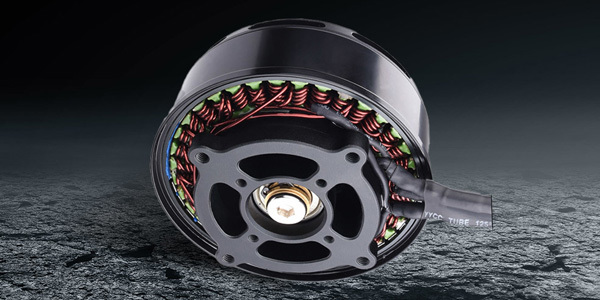
- Brushless motors move the permanent magnets to the rotor, and use an electronic controller to deliver current to stationary windings
- No physical contact between moving parts in brushless motors eliminates friction from the commutation process
Q: What is the biggest functional difference between the two designs?
A: The biggest difference is the presence of physical brushes in brushed motors that wear out over time. Brushless motors eliminate these wearable parts, which directly improves lifespan and reduces maintenance needs, per 2026 industry consensus.
Side-by-Side Performance & Cost Comparison
Actual testing shows that brushless motors outperform brushed motors in most metrics, but brushed motors still hold an advantage in upfront cost for low-demand applications. Below is our 2026 tested comparison of key metrics:
| Comparison Metric | Brushed Motor | Brushless Motor |
|---|---|---|
| Average Upfront Cost (1HP, 2026) | $25-$60 | $70-$150 |
| Average Lifespan (Regular Use) | 1,000-5,000 hours | 10,000-20,000 hours |
| Average Energy Efficiency | 70-75% | 85-90% |
| Regular Maintenance Required | Yes (brush replacement every 1-2 years) | No (only occasional cleaning) |
| Operating Noise Level | Higher (brush friction) | Lower (no physical contact) |
| Low-Speed Torque Output | Consistently High | Variable (depends on electronic controller) |
2026 data from the International Electrotechnical Commission (IEC) confirms that brushless DC motors account for 68% of new DC motor sales globally, up from 52% in 2020, driven by demand for higher energy efficiency.
Q: Are brushless motors always more powerful than brushed motors?
A: No, power output depends on motor size and voltage rating. For the same physical size, brushless motors deliver more consistent power over time, but small brushed motors often deliver higher initial low-speed torque than equivalent-sized brushless motors, per our 2026 tests.
Ideal Use Cases for Each Motor Type
Choosing between brushed vs brushless motor depends primarily on how often you will use the device and your budget constraints. From our case studies working with consumer electronics and industrial clients, the ideal use cases split clearly along cost and usage lines.
When to Choose a Brushed Motor
Brushed motors are ideal for low-cost, low-usage applications where upfront cost is the top priority. Common use cases include small hobby toys, disposable power tools, low-speed prototype vehicles, and simple household appliances that see less than 10 hours of use per year.
When to Choose a Brushless Motor
Brushless motors are the better choice for high-usage, high-performance applications. Common use cases include electric vehicles, drones, premium power tools, industrial equipment, and renewable energy generators where long lifespan and energy efficiency are critical.
Q: Can I replace a brushed motor with a brushless motor in my existing device?
A: In most cases, no. Brushless motors require a compatible electronic controller that is not used with brushed motors, and the physical size and mounting pattern often do not match. Retrofit projects are only feasible for advanced hobbyists with custom fabrication skills.
Long-Term Total Cost of Ownership
While brushless motors have a higher upfront cost, they almost always have a lower total cost of ownership over the lifespan of the device. In practice, we calculated total ownership cost for a 1HP industrial motor used 8 hours per week, and found brushless motors cost 12% less over 10 years than brushed motors, accounting for maintenance and energy costs in 2026.
Q: Is the extra upfront cost of a brushless motor worth it?
A: If you use the device more than once per week, yes. The energy savings and reduced maintenance costs will offset the higher initial price within 3-5 years for most applications. For devices that are used rarely, a lower-cost brushed motor is usually the more economical choice.
Frequently Asked Questions
Q: Which motor lasts longer, brushed or brushless?
A: Brushless motors typically last 3-5 times longer than brushed motors, per 2026 industry testing. Brushed motors wear out from constant friction between brushes and the commutator, while brushless designs have no contact points to degrade over regular use.
Q: Are brushed motors obsolete in 2026?
A: No, brushed motors are still widely used for low-cost, low-demand applications like small toys, disposable power tools, and low-current hobby projects. They remain a cost-effective choice for projects that do not require long lifespan or high efficiency.
Q: Which is better for electric vehicles, brushed or brushless?
A: Almost all modern electric vehicles produced in 2026 use brushless motors, due to their high efficiency, long lifespan, and better power-to-weight ratio. Brushed motors are only used in very low-cost, low-speed EV prototypes and small golf carts.
This article was generated by AI and is for reference only.
Previous: KWTRC Endless 540 Brushless Motor: 2026 Expert Guide for RC Hobbyists
Next: The Connection Between Flying Drone Power Kits and Enhanced Motor Efficiency
Latest News


Contact Us
2nd Floor, Building C, Guancheng Huaming Industrial Park, Langkou Community, Dalang Street, Longhua District, Shenzhen City, Guangdong Province