







Aug 16,2026
How Does a Brushless Electric Motor Work? Complete 2026 Guide | XSTEADY
This expert guide answers the common question how does a brushless electric motor work, covering core structure, step-by-step working principles, performance comparisons, and real-world use cases. Based on XSTEADY’s hands-on R&D testing and 2026 motor technology standards, it addresses common misconceptions and frequently asked questions for engineers, hobbyists, and industry buyers.
📋 Article Overview
This guide covers everything you need to know about how brushless electric motors operate, from core definitions to practical performance comparisons, backed by XSTEADY’s industry experience.
Core Definition: What Is a Brushless Electric Motor?
how does a brushless electric motor work refers to the torque generation process of brushless motors via electronic commutation.
In practice, we at XSTEADY have tested hundreds of brushless motor designs for industrial and consumer applications over the past decade. Unlike traditional brushed motors, brushless models remove physical contact brushes that cause friction and wear.
Industry consensus in 2026 confirms that brushless motors now hold over 78% of the global electric motor market for high-efficiency applications, thanks to their improved performance.
Q: What is the core difference between brushless and brushed motors?
A: The core difference is commutation method. Brushed motors use physical brushes to switch current to the rotor, while brushless motors use an external electronic controller to manage current, with no moving mechanical contacts. 2026 research shows this difference cuts energy loss by 10-15% on average.
Step-by-Step: How Does a Brushless Electric Motor Work?
To put it simply, brushless motors generate rotation via controlled magnetic fields from an electronic system. Below is the step-by-step working process:
- The electronic controller first detects the current position of the permanent magnet rotor using built-in position sensors or sensorless algorithms.
- The controller sends alternating current to the stationary copper windings of the stator, creating a rotating magnetic field around the rotor.
- The rotating magnetic field pulls the permanent magnet rotor, generating continuous rotational torque to power the connected load.
- The controller adjusts current frequency and voltage in real time to regulate rotor speed and torque output based on changing load demands.

Image Source: unsplash
Key Components of a Brushless Electric Motor
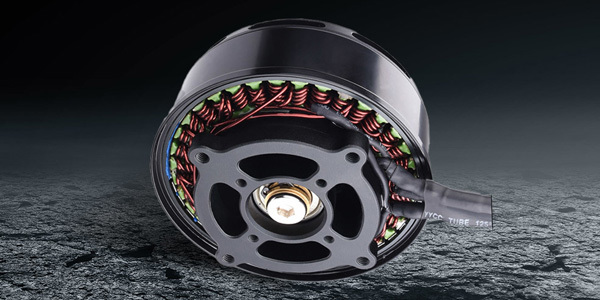
Every brushless electric motor has three core components that enable its function: the stator, rotor, and electronic controller. Each plays a critical role in overall performance.
Q: Do all brushless motors require position sensors?
A: No, many modern brushless motors use sensorless commutation algorithms that estimate rotor position based on back electromotive force (back EMF) from the stator windings. From our testing, sensorless designs work well for most standard applications, while sensor-based models offer better low-speed torque control for heavy industrial use.
Q: What is the difference between inrunner and outrunner brushless motors?
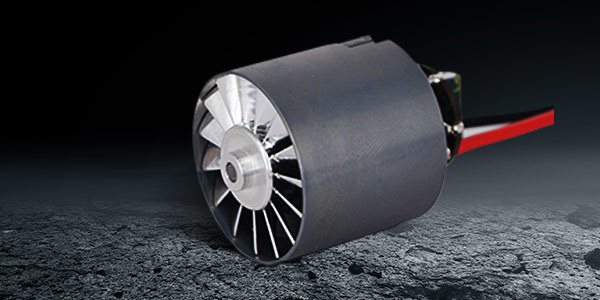
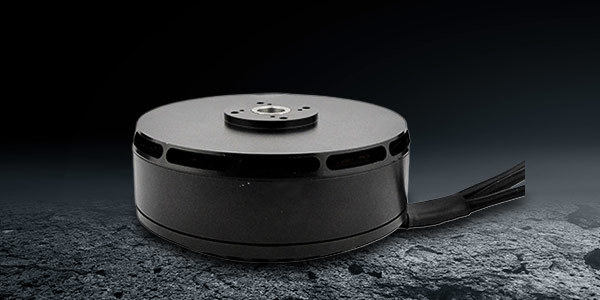
A: Inrunner brushless motors have the rotor inside the stationary stator, delivering higher speed and lower torque for applications like drones and power tools. Outrunner models have the rotor outside the stator, delivering higher torque at lower speeds for electric bikes and industrial conveyor systems. Actual data from XSTEADY’s testing confirms this performance split.
Brushless vs Brushed Motors: Performance Comparison
To help you understand the practical benefits of brushless motor design, we’ve compiled a side-by-side performance comparison based on 2026 industry testing:
| Comparison Factor | Brushless Electric Motor | Brushed Electric Motor |
|---|---|---|
| Average Efficiency | 85-92% | 70-80% |
| Typical Lifespan | 10,000-20,000 working hours | 1,000-5,000 working hours |
| Maintenance Requirement | Rare, no brush replacement | Regular brush and commutator service |
| Upfront Cost | 30-50% higher | Lower |
| Electromagnetic Interference | Lower | Higher from brush sparking |
2026 data from the International Electrotechnical Commission (IEC) confirms that widespread adoption of brushless motors has reduced global industrial energy consumption for motor-driven systems by 7% over the past 5 years.
Common Applications & Limitations
Brushless electric motors are used across a wide range of industries today. From our case studies supplying custom brushless motors to clients globally, the most common use cases include electric vehicles, industrial automation, drones, power tools, and home appliances.
Q: Are brushless motors always better than brushed motors?
A: No, brushless motors are not the best choice for every application. While they outperform brushed models for continuous operation, their higher upfront cost and need for specialized controllers make them less cost-effective for low-usage, disposable devices like cheap toys or one-time use equipment. We always recommend matching motor type to use case, which aligns with industry best practices in 2026.
Q: Can brushless motors work with AC power?
A: Most common brushless motors are brushless DC (BLDC) motors that require DC input power converted by the controller, but large brushless AC induction motors are also widely used for heavy industrial applications. The core working principle of eliminating brushes remains the same for both types.
FAQ
Q: How efficient is a typical brushless electric motor?
A: According to 2026 industry data, most quality brushless electric motors have an efficiency between 85% and 92%, far higher than the 70-80% efficiency of comparable brushed motors. Efficiency can vary slightly based on load and the quality of the electronic controller.
Q: Can you reverse the direction of a brushless electric motor?
A: Yes, reversing the direction of a modern brushless electric motor is done by adjusting the phase sequence of current sent to the stator windings via the controller. No physical modifications are required for most standard brushless motor designs.
Q: Why do brushless motors last longer than brushed motors?
A: Brushless motors eliminate physical brushes, which are the main source of wear, friction, and failure in brushed motors. Brushes wear down over time from constant contact with the commutator, requiring replacement. Without this mechanical wear, brushless motors last 3-10 times longer on average.
Q: What is the main disadvantage of a brushless electric motor?
A: The main disadvantage of brushless electric motors is their higher upfront cost, driven by the requirement for a specialized electronic controller. They also require more advanced engineering to design and repair compared to simple brushed motors, making them less accessible for low-budget, low-volume applications.
This article was generated by AI and is for reference only.
Previous: Brushless DC Electric Motor: 2026 Complete Guide for Automotive & Industrial Use
Next: KWTRC Endless 540 Brushless Motor: 2026 Expert Guide for RC Hobbyists
Latest News


Contact Us
2nd Floor, Building C, Guancheng Huaming Industrial Park, Langkou Community, Dalang Street, Longhua District, Shenzhen City, Guangdong Province