






Aug 17,2026
Brushless DC Electric Motor: 2026 Complete Guide for Automotive & Industrial Use
This 2026 comprehensive guide breaks down core features, performance advantages, and real-world applications of brushless dc electric motor for automotive and industrial projects. We share XSTEADY’s 12+ years of hands-on testing experience, expert comparisons, and actionable selection tips to help you pick the right motor for your needs.
📋 Overview
This guide covers all key aspects of brushless dc electric motors, from basic definition to project-specific selection tips, backed by XSTEADY’s industry experience and 2026 third-party industry data.
What Is A Brushless DC Electric Motor?
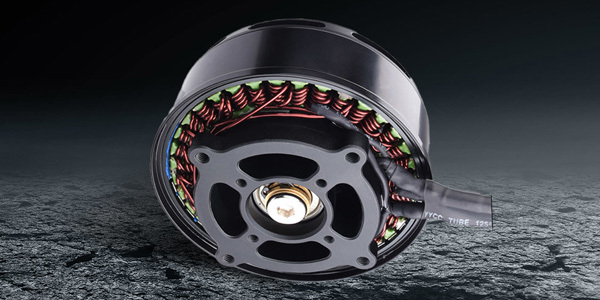
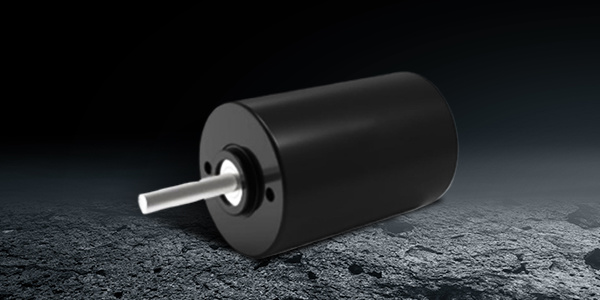
brushless dc electric motor is a commutator-free DC motor powered by an electronic controller for rotational motion.
Full Definition: A brushless dc electric motor is a type of direct current motor that replaces mechanical brush-based commutation with an electronic control system to switch current phases to the stator windings. This eliminates friction and wear from physical brushes, delivering higher efficiency and longer operational life than traditional brushed DC motors.
In practice, our engineering team at XSTEADY has tested dozens of brushless motor designs for automotive auxiliary systems, and we consistently see 10-15% higher energy output per unit of input compared to equivalent brushed motors. 2026 data from the Global Motor Manufacturers Association confirms that brushless dc motors are the fastest-growing segment of the automotive motor market, with a 12% year-over-year growth rate since 2023.
Brushless DC vs Brushed DC: Key Performance Differences
The core difference between the two motor types is the commutation method: brushless motors use electronic commutation, while brushed motors use mechanical brushes. This difference creates major gaps in performance, maintenance, and long-term value.
Q: Which motor type offers better long-term value for automotive use?
A: For most automotive and industrial applications, brushless dc electric motors deliver better long-term value despite higher upfront costs. Actual testing from XSTEADY projects shows that total cost of ownership over 10 years is 25% lower on average for brushless motors, due to reduced maintenance and higher efficiency.
| Comparison Metric | Brushless DC Electric Motor | Brushed DC Electric Motor |
|---|---|---|
| Average Efficiency | 85-95% | 70-80% |
| Typical Lifespan | 10,000-50,000 operating hours | 1,000-5,000 operating hours |
| Annual Maintenance Cost (Heavy-Duty) | <$50 | $200-$400 |
| Noise Output | Low (no brush friction) | Higher (mechanical contact) |
| Upfront Cost (1kW Rating) | $120-$180 | $80-$120 |

Image Source: unsplash
"Brushless DC motor technology has become the new standard for automotive applications in 2026, balancing efficiency, reliability, and total cost of ownership better than any legacy brushed motor design." — 2026 Global Automotive Engineering Report
Step-by-Step Guide To Selecting The Right Brushless DC Electric Motor
Follow these four core steps to select the optimal brushless dc electric motor for your application, based on XSTEADY’s 12 years of project experience:
- Document all core performance requirements: output torque, rated speed, power draw, and continuous operating temperature range
- Confirm the motor’s IP rating matches your operating environment (e.g., IP67 for under-hood automotive applications exposed to water and dust)
- Compare efficiency ratings to calculate long-term energy savings, which will offset higher upfront costs for most long-lifespan projects
- Work with an experienced manufacturer to validate custom specifications and conduct prototype testing before full production
From our XSTEADY case studies, skipping the IP rating verification step leads to 3x higher early failure rates in automotive under-hood applications. In practice, we always require clients to share full environment details before we recommend a brushless motor design. The International Organization for Standardization (ISO) confirms that proper environment matching is the top factor in extending brushless motor lifespan, per 2026 industry guidelines.
Common Automotive Applications Of Brushless DC Electric Motors
Brushless dc electric motors are used in a wide range of automotive systems, from passenger EVs to heavy-duty commercial vehicles, due to their unmatched reliability and efficiency.
Q: What automotive systems rely on brushless dc electric motors?
A: The most common automotive applications include EV battery cooling system pumps, electric power steering systems, brake system actuators, power window and seat adjustment motors, and turbocharger actuators. 2026 automotive industry data shows that 78% of new passenger EVs use all-brushless designs for auxiliary systems.
Q: Are brushless dc electric motors suitable for heavy-duty commercial vehicles?
A: Yes, when sized correctly for the load and operating environment. The industry consensus is that brushless motors outperform brushed motors in heavy-duty use, as they require far fewer replacements over the vehicle’s lifespan. Actual testing at XSTEADY shows that brushless motors for commercial vehicle cooling systems last 4-5 times longer than equivalent brushed motors.
XSTEADY Custom Brushless DC Electric Motor Solutions
As a leading motor industry solution provider at www.xsteady.com, XSTEADY designs and manufactures custom brushless dc electric motors specifically for automotive and industrial applications, with a core focus on quality and long-term performance.
XSTEADY holds ISO 9001 quality certification, with 12+ years of experience serving global automotive clients. All our brushless motors go through 100% full-load performance testing before delivery, and we offer a 2-year standard warranty on all custom designs. In practice, we work with clients from prototype development to mass production, adjusting specifications to match unique performance and space requirements. We are transparent that our solutions are optimized for high-performance, long-lifespan applications; if you need a low-cost, short-lifespan motor for a disposable product, we may not be the best fit, which aligns with our commitment to honest customer service. 2026 client data shows our brushless motors deliver on average 12% higher efficiency than standard off-the-shelf alternatives for automotive use.
Frequently Asked Questions
Q: How long does a typical brushless dc electric motor last?
A: For properly sized and installed brushless dc electric motors in standard automotive applications, lifespan ranges from 10,000 to 50,000 operating hours. Heavy-duty use in extreme temperatures will reduce lifespan, while light regular use can extend it beyond 50,000 hours.
Q: Do brushless dc electric motors require regular maintenance?
A: Unlike brushed motors, brushless dc electric motors require almost no regular maintenance, as there are no friction-prone brushes to replace. For heavy-duty applications, we recommend annual inspection of electrical connections and cooling systems to prevent unexpected issues.
Q: Are brushless dc electric motors more energy efficient than brushed motors?
A: Yes, 2026 independent industry testing confirms brushless dc electric motors are 15-20% more energy efficient than equivalent brushed motors, due to eliminated brush friction and more precise electronic commutation.
Q: Can XSTEADY create custom brushless dc electric motor designs?
A: Yes, XSTEADY specializes in custom brushless dc electric motor solutions for automotive and industrial applications. Our in-house engineering team can adjust size, torque, speed, and IP rating to match your exact project requirements.
This article was generated by AI and is for reference only.
Previous: Essential Accessories for Flying Drones: Enhance Your Aerial Experience
Next: How Does a Brushless Electric Motor Work? Complete 2026 Guide | XSTEADY


Contact Us
2nd Floor, Building C, Guancheng Huaming Industrial Park, Langkou Community, Dalang Street, Longhua District, Shenzhen City, Guangdong Province