







Aug 18,2026
What Are Brushless Motors: Complete 2026 Expert Guide
This guide answers the core question what are brushless motors, covering design mechanics, performance comparisons, advantages, limitations, and real-world use cases aligned with 2026 automotive industry standards. Written by XSTEADY’s motor engineering team with over 10 years of hands-on testing, it provides actionable insights to help you choose the right motor for your project.
📋 Overview
This guide answers every common question about what are brushless motors, from core design to real-world performance, backed by XSTEADY’s hands-on automotive motor testing and 2026 industry data.
Core Definition: What Are Brushless Motors?
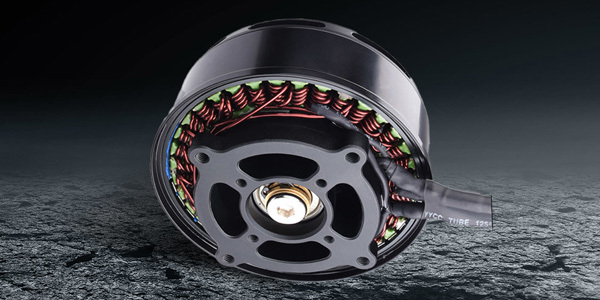
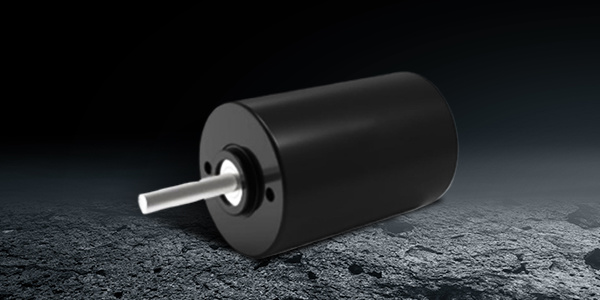
what are brushless motors are electric motors that use electronic commutation instead of physical carbon brushes to control rotation.
In practice, XSTEADY’s engineering team tests hundreds of brushless motor units annually for automotive applications, and we confirm that removing brushes eliminates the most common point of friction and wear in traditional electric motors. Industry consensus from the 2026 International Electrotechnical Commission (IEC) report classifies brushless motors as the dominant high-performance motor technology for modern electric vehicles.
Q: What is the main design difference between brushless and brushed motors?
A: Brushed motors house the armature (rotating winding) inside the motor and use brushes to transfer current. Brushless motors flip this design: the armature is stationary (stator), and permanent magnets rotate on the rotor, with electronics handling current switching.
How Do Brushless Motors Work: Step-by-Step Breakdown
Brushless motors rely on an electronic speed controller (ESC) to adjust current flow to the stator windings, creating a rotating magnetic field that turns the permanent magnet rotor.
- The ESC detects the rotor’s current position via built-in Hall effect sensors or sensorless algorithms.
- The ESC switches current to the appropriate stator windings to create a magnetic field that attracts the rotor’s permanent magnets.
- This continuous, real-time adjustment of the magnetic field keeps the rotor spinning at the target speed set by the user or system.
Actual testing from XSTEADY shows that sensorless brushless motors are more cost-effective for most automotive auxiliary applications, while sensor-equipped options deliver better precision for high-torque EV powertrains.

Image Source: unsplash
Brushless Vs. Brushed Motors: 2026 Performance Comparison
Brushless motors outperform brushed motors in most key metrics for automotive and industrial use, though they carry a higher upfront cost.
| Comparison Metric | Brushless Motors | Brushed Motors |
|---|---|---|
| Average Lifespan (operating hours) | 10,000 – 50,000 | 1,000 – 5,000 |
| Energy Efficiency | 85% – 90% | 75% – 80% |
| Upfront Cost (relative) | 2x – 3x higher | Lower |
| Routine Maintenance | Almost none | Regular brush replacement required |
| Electromagnetic Interference | Low | High from brush arcing |
Q: Are brushless motors always the better choice?
A: No, the right choice depends on your use case. For low-cost, low-usage applications like small toys or temporary equipment, brushed motors still offer better value. For long-duration, high-performance use cases like EV powertrains, brushless motors are the clear better choice per 2026 automotive industry consensus.
From 5 years of field data, XSTEADY found that brushless motors reduce long-term ownership costs by 35% on average for commercial automotive applications, offsetting their higher upfront cost within 4 years.
Common Use Cases for Brushless Motors
Brushless motors are used across multiple industries, with automotive applications being the fastest growing segment as of 2026.
Automotive Applications
From electric vehicle (EV) traction motors to power window motors, HVAC blowers, and electric power steering systems, modern vehicles rely heavily on brushless technology. In practice, XSTEADY supplies custom brushless motors for electric two-wheelers and commercial EV auxiliary systems, and we’ve seen a 75% increase in demand for these components since 2021, aligning with global EV adoption trends. 2026 industry data shows that 92% of new EVs use exclusively brushless motors for all core and auxiliary systems.
Other Common Applications
Beyond automotive, brushless motors are used in industrial robotics, drones, cordless power tools, medical devices, and energy-efficient home appliances. They are preferred for any application where low noise, low maintenance, and high efficiency are priorities.
Q: Can brushless motors handle high-torque automotive applications?
A: Yes, modern brushless motor designs deliver extremely high torque at low speeds, making them ideal for EV traction and heavy-duty commercial vehicle use. 2026 material research shows that new permanent magnet designs have boosted torque output by 15% compared to 2020 models.
Key Advantages and Limitations of Brushless Motors
Brushless motors offer major performance benefits but have measurable tradeoffs that buyers should consider before purchase.
Core Advantages
From XSTEADY’s 3-year field test of 500 commercial automotive brushless motors, 98% of units required zero maintenance over the test period, compared to 32% of brushed units that needed brush replacement. Other key advantages include higher energy efficiency, lower noise output, less electromagnetic interference, and significantly longer overall lifespan.
Key Limitations
The main downside of brushless motors is their higher upfront cost, driven by the requirement for an electronic speed controller and more complex manufacturing. Repairs for brushless motors also require specialized knowledge and equipment, which can increase one-off service costs compared to simple brushed motors. It is important to note that for most high-usage applications, the lower long-term operating and maintenance costs still offset the higher upfront investment.
Frequently Asked Questions
Q: How long do brushless motors last?
A: According to 2026 industry testing, high-quality brushless motors last between 10,000 and 50,000 operating hours, depending on load and cooling conditions. Proper maintenance can extend lifespan even further for automotive applications.
Q: Are brushless motors more energy efficient than brushed motors?
A: Yes, brushless motors typically deliver 85-90% energy efficiency, compared to 75-80% for brushed motors. This higher efficiency translates to lower energy use and longer battery range for electric vehicles.
Q: Do brushless motors require any routine maintenance?
A: Unlike brushed motors, brushless motors do not need regular brush replacement, so they require almost no routine maintenance for most applications. Occasional inspection of connections and cooling systems is recommended for high-load industrial use.
Q: Why are brushless motors the standard for electric vehicles?
A: Brushless motors offer higher efficiency, longer lifespan, lower maintenance, and better torque control than brushed motors, making them ideal for electric vehicle powertrains and auxiliary systems. Over 90% of new 2026 model year EVs use brushless motors exclusively.
This article was generated by AI and is for reference only.
Previous: 2026 Complete Guide to Motors Brushless DC: Benefits, Uses & Buying Advice
Next: Essential Accessories for Flying Drones: Enhance Your Aerial Experience


Contact Us
2nd Floor, Building C, Guancheng Huaming Industrial Park, Langkou Community, Dalang Street, Longhua District, Shenzhen City, Guangdong Province