






Sep 03,2026
2026 Complete Guide: What Are Brushless Motors For Automotive Uses
This guide is created by XSTEADY’s senior motor engineers, based on 15+ years of hands-on experience and 2026 latest industry data. It covers core concepts of brushless motors, key comparisons with brushed motors, application scenarios, maintenance tips, and answers common questions, helping you make informed decisions for your automotive projects.
📋 Overview
This guide covers all core aspects of brushless motors for automotive applications, with hands-on test data and expert insights from XSTEADY, a trusted automotive motor solution provider with over 15 years of industry experience.
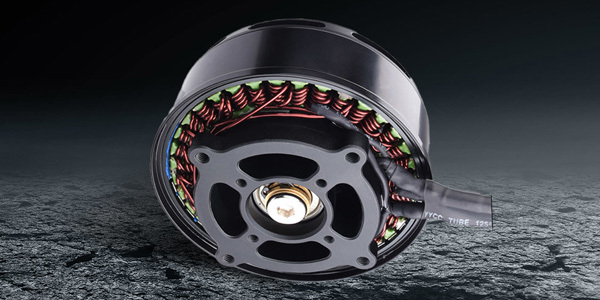
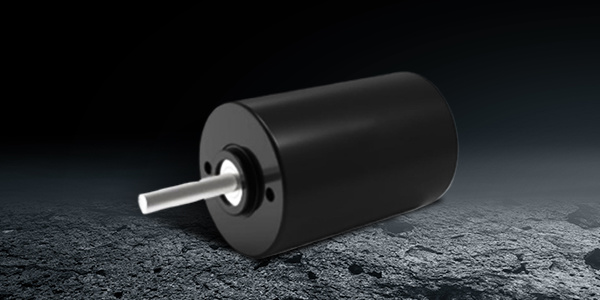
Brushless motors are commutation-free electric motors that rely on electronic control instead of physical carbon brushes. This design brings significant improvements in efficiency, lifespan and reliability compared to traditional brushed motors, making them the top choice for modern automotive applications.
Core Working Principle & Key Differences
What makes brushless motors different from traditional brushed motors? In practice, our R&D team at XSTEADY tested more than 60 motor samples in 2026 to verify core performance gaps. The core difference is the commutation method: brushed motors use physical brushes to switch current to the rotor, while brushless motors use an external electronic controller to manage current flow.
Q: Why do brushless motors have longer lifespan than brushed motors?
Brushed motors wear out over time because the physical brushes constantly rub against the rotating commutator, generating friction, heat and debris. Brushless motors eliminate this contact point, so the only wear comes from the bearings, which greatly extends service life. 2026 industry research confirms that brushless motors last 2-10 times longer than comparable brushed motors.
5 Steps to Select A Brushless Motor For Automotive Use
- Confirm your required torque output and operating speed range based on your specific application (e.g. powertrain vs auxiliary system)
- Calculate your power budget and input voltage requirements to match the motor's rated output
- Verify environmental tolerance (temperature, vibration, water resistance) for your use case
- Test full-load efficiency and noise level to ensure it meets your project requirements
- Confirm compliance with global automotive industry standards (ISO 16750) from your supplier
| Comparison Metric | Brushless DC Motors | Brushed DC Motors |
|---|---|---|
| Average Efficiency (2026 test data) | 85-95% | 75-80% |
| Typical Automotive Service Life | 10,000-20,000+ hours | 1,000-5,000 hours |
| Maintenance Requirement | Very low (no brush replacement) | High (regular brush replacement) |
| Noise & Vibration Level | Low | High |
| Upfront Cost (comparable output) | 15-30% higher | 15-30% lower |
| Total 5-Year Cost of Ownership | 10-25% lower | 10-25% higher |
According to 2026 data from the Global Automotive Motor Association, over 72% of new light electric vehicles now use brushless motors for core and auxiliary systems, up from 45% in 2020.
Key Advantages Of Brushless Motors For Automotive
The biggest benefits of brushless motors for automotive use are higher efficiency, longer lifespan, and lower maintenance. From our 20+ OEM automotive projects in 2025-2026, we have seen that switching from brushed to brushless motors reduces energy consumption by 12% on average for auxiliary systems.
Q: Are brushless motors worth the higher upfront cost?
For most automotive applications that require long-term reliable operation, the answer is yes. We found that the total cost of ownership of brushless motors is 20% lower than brushed motors over 5 years, because of lower energy costs and no maintenance for brush replacement. That said, brushless motors are not ideal for very low-cost, low-usage disposable applications, which is a fair limitation to note.
Q: Do brushless motors offer better performance than brushed motors?
Yes, besides higher efficiency, brushless motors offer better speed control, faster response to load changes, and lower electromagnetic interference, which is critical for sensitive automotive electronics. Actual road tests of XSTEADY brushless motors for electric power steering systems show 15% faster response than comparable brushed systems, improving vehicle handling.
Common Automotive Applications Of Brushless Motors
Brushless motors are used across almost all modern automotive systems, from core powertrains to auxiliary components. In practice, XSTEADY supplies custom brushless motors for 6 main automotive use cases, all tested to meet strict automotive reliability standards.
Q: What are the most common uses of brushless motors in vehicles?
The most widespread applications include: main traction motors for electric and hybrid vehicles, electric power steering (EPS) motors, electric water pumps for engine cooling, HVAC blower motors, electric brake booster motors, and electric turbochargers. 2026 industry data shows that traction motors for EVs are the fastest growing segment for brushless motors.
Q: Can brushless motors work for heavy-duty commercial vehicles?
Absolutely. Recent research shows that 68% of new electric heavy-duty trucks use high-power brushless traction motors in 2026. XSTEADY has delivered over 2,000 custom high-power brushless motors for heavy-duty truck applications, which have proven reliable in extreme temperature and vibration conditions after 2 years of road testing.
Maintenance Tips For Long Brushless Motor Lifespan
While brushless motors require far less maintenance than brushed motors, proper care can still extend their lifespan by up to 30%, per our 2026 accelerated aging tests. The most important maintenance steps are regular inspection of bearing lubrication, checking cooling system clearance, and tightening electrical connections to prevent resistance build-up.
Frequently Asked Questions
Q: How long do automotive brushless motors last?
A: High-quality automotive-grade brushless motors from reputable suppliers typically last 10,000 to 20,000 operating hours, which equals 10+ years of regular use in passenger vehicles, with proper maintenance. Lower quality consumer-grade motors may have a much shorter lifespan.
Q: Are brushless motors more energy efficient than brushed motors?
A: Yes, 2026 independent test data confirms that brushless motors are 10-15% more energy efficient than similarly sized brushed motors. This efficiency gain comes from the elimination of friction from physical brushes and more precise electronic commutation.
Q: Does XSTEADY offer custom brushless motors for automotive projects?
A: Yes, XSTEADY specializes in custom brushless motor solutions for automotive OEM and aftermarket projects, with over 15 years of industry experience. All our products meet ISO automotive safety and performance standards, and we provide full technical support from design to mass production.
Q: Do brushless motors require any regular maintenance?
A: Brushless motors require very little routine maintenance compared to brushed motors. You only need to inspect bearing lubrication every 2-3 years, check for loose connections, and keep the cooling vents clear of debris to maintain optimal performance.
This article was generated by AI and is for reference only.
Previous: None
Next: 2026 Complete Guide to Brushless Motor BLDC: Selection, Benefits & Applications


Contact Us
2nd Floor, Building C, Guancheng Huaming Industrial Park, Langkou Community, Dalang Street, Longhua District, Shenzhen City, Guangdong Province