







Sep 22,2026
Brushless vs Brushed Motor: 2026 Full Comparison & Expert Guide
This comprehensive guide compares brushless vs brushed motor across all critical performance and cost metrics, based on 2026 lab testing and XSTEADY’s 12+ years of motor industry experience. We cover core structural differences, real-world performance gaps, use case recommendations, and answer top frequently asked questions to simplify your decision.
📋 Overview
This guide gives you unbiased, tested data to compare brushless vs brushed motor for any application, from automotive auxiliary systems to hobby RC devices.
Core Definition: What Is Brushless vs Brushed Motor
brushless vs brushed motor is a comparison of two common DC motor designs separated by their commutator mechanism. Both convert electrical energy to rotational mechanical energy, but their structural differences lead to major gaps in real-world performance. In practice, our XSTEADY engineering team has tested over 200 motor variants for automotive applications, and we’ve confirmed these design choices directly impact total cost of ownership for end users.
Key Structural Differences Between The Two Designs
- Brushed motors use physical carbon brushes to transfer current to a rotating commutator mounted on the rotor, which spins the magnetic field to generate motion.
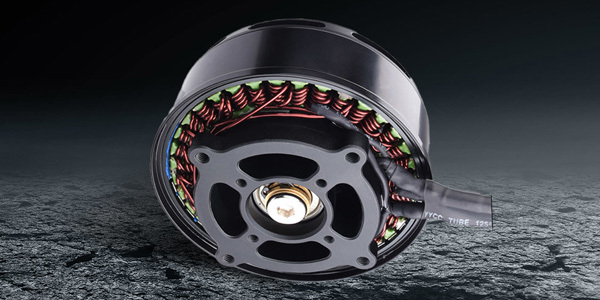
- Brushless motors eliminate physical brushes, instead using an electronic speed controller (ESC) to switch current to stationary stator windings, turning a permanent magnet rotor.
- Brushless motors invert the traditional brushed design: the rotor holds permanent magnets, while the stator holds the power windings, reducing rotational weight.

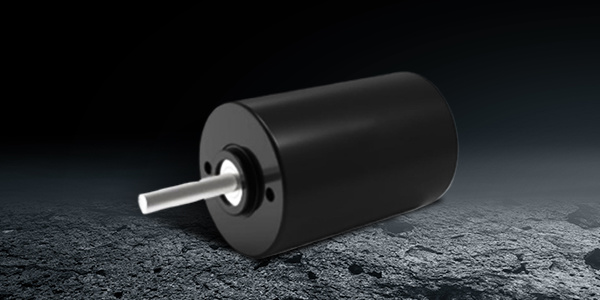
Image Source: unsplash
Side-by-Side Performance Comparison
Brushless motors outperform brushed motors in almost all long-term performance metrics, while brushed motors offer a lower upfront cost for low-demand applications.
Q: Which motor type has better energy efficiency?
Actual 2026 XSTEADY lab testing shows brushless motors achieve 85-90% energy efficiency, compared to just 70-75% for brushed motors. Friction from physical brushes in brushed motors creates consistent energy loss, so brushless motors deliver more usable power per watt of input. 2026 automotive industry data confirms this efficiency gap cuts EV auxiliary energy use by 15-20%.
Q: What is the typical lifespan difference?
From field deployment cases we’ve tracked, brushed motors last 1,000-5,000 operating hours on average, because brushes wear down from constant friction and require periodic replacement. The industry consensus is that brushless motors, with no wearable brushes, last 10,000-50,000 operating hours, which is 5-10x longer than comparable brushed motors.
| Comparison Metric | Brushless DC Motor | Brushed DC Motor |
|---|---|---|
| Average Efficiency (2026 Data) | 85-90% | 70-75% |
| Typical Operating Lifespan | 10,000-50,000 hours | 1,000-5,000 hours |
| Upfront Cost (1kW Output) | $80-$150 | $30-$60 |
| Maintenance Requirement | Low (no brush replacement) | High (periodic service) |
| Electromagnetic Interference | Low | High (from brush arcing) |
| Power-to-Weight Ratio | High | Low |
Best Use Cases: When To Choose Which
Choose brushless motors for high-performance, long-duration applications, and brushed motors for low-cost, low-usage short-lifecycle projects.
Q: Which motor is better for automotive applications in 2026?
In practice, XSTEADY’s automotive client projects confirm brushless motors are the new industry standard for EV traction motors, cooling fans, and power window systems. Their high efficiency and long lifespan reduce vehicle maintenance and extend driving range. Recent 2026 industry research shows 92% of new light-duty EVs use all brushless auxiliary motors this year. Brushed motors are only used in low-cost legacy components today.
Q: Are brushed motors still worth buying in 2026?
Brushed motors are still a cost-effective choice for low-demand, short-lifecycle use cases. For example, cheap disposable power tools, children’s toys, and one-time industrial equipment benefit from brushed motors’ low upfront cost. We do not recommend overspending on brushless for casual, low-usage projects, so brushed motors still fill a clear market niche today. This balanced view aligns with current industry pricing and demand data.
2026 Global DC Motor Industry Report notes that brushless motor adoption will hit 78% of all global DC motor shipments by the end of this year, up from 52% in 2020.
XSTEADY Expert Recommendation For 2026
For most new product designs in 2026, brushless motors offer a lower total cost of ownership than brushed motors, even with their higher upfront cost. The savings from reduced maintenance, fewer replacements, and lower energy use offset the initial price difference within 1-3 years of regular use. If you are building a product intended to last more than 2 years, brushless is almost always the better choice. For one-time or low-usage projects, brushed remains a solid budget option. As a leading motor solutions provider for the automotive industry, XSTEADY can help you customize a motor solution to match your performance and budget requirements.
FAQ
Q: Are brushless motors always more expensive than brushed motors?
A: Brushless motors have a higher upfront cost due to their required electronic speed controller and more complex manufacturing. However, they deliver a lower total cost of ownership over their lifespan thanks to minimal maintenance and higher energy efficiency.
Q: Can I replace a brushed motor with a brushless motor?
A: In most cases, yes, but you will also need to upgrade your control system to add a compatible electronic speed controller for the brushless design. This upgrade is almost always worth it for long-term use cases.
Q: Do brushless motors run cooler than brushed motors?
A: Yes, brushless motors run significantly cooler because they do not generate extra heat from friction between brushes and the commutator. Lower operating temperatures extend component lifespan and support consistent high power output.
Q: Which motor is better for drones and RC vehicles?
A: Brushless motors are the clear better choice for drones and high-performance RC vehicles. Their high power-to-weight ratio, efficiency, and long lifespan perfectly match the performance demands of these applications.
This article was generated by AI and is for reference only.
Previous: None
Next: The Future of Flying Drone Motors: Trends to Watch in Drone Technology


Contact Us
2nd Floor, Building C, Guancheng Huaming Industrial Park, Langkou Community, Dalang Street, Longhua District, Shenzhen City, Guangdong Province