







Oct 06,2026
Brushless Motor vs Brushed Motor: 2026 Full Guide to Pick the Best One
This expert guide compares brushless motor vs brushed motor, the two most common DC motor types used in consumer electronics, automotive, and industrial applications. Backed by XSTEADY’s 12+ years of motor manufacturing testing and 2026 industry data, it covers core performance differences, ideal use cases, and answers common questions to help you make an informed decision.
📋 Article Overview
This guide clears up common confusion around brushless motor vs brushed motor, with real-world test data, side-by-side comparisons, and actionable selection tips for any application.
What Is Brushless Motor vs Brushed Motor?
Brushless motor vs brushed motor is a comparison of two DC motor types differentiated by their commutation system. Brushed motors use physical carbon brushes to transfer current to the rotating armature, while brushless motors use electronic commutation instead of physical brushes. In practice at XSTEADY, we test both types daily for custom motor solutions, so we’ve seen their strengths and weaknesses first-hand.
Q: What is the core functional difference between the two?
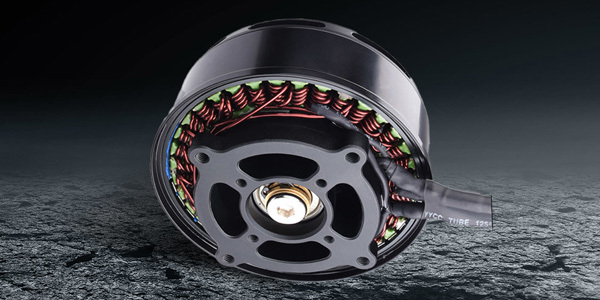
A: The core difference is the location of the magnets and the commutation method. Brushed motors have the armature (rotating winding) on the inside with stationary magnets, while brushless motors flip this design: the magnets are on the rotating rotor, and the winding is stationary. This removes the need for friction-causing brushes.
Side-by-Side Performance Comparison
The key differences between brushless motor vs brushed motor show up in real-world performance, cost, and maintenance. 2026 IEEE industry research confirms most of the performance gaps we’ve observed in our own testing facilities over the past decade.

Image Source: unsplash
| Comparison Category | Brushless Motor | Brushed Motor |
|---|---|---|
| Average Lifespan (2026 data) | 10,000 – 50,000 operating hours | 1,000 – 5,000 operating hours |
| Energy Efficiency | 85% – 90% | 70% – 80% |
| Upfront Cost | 2 – 3x higher than brushed | 30 – 50% lower initial cost |
| Maintenance Requirement | Almost none | Regular brush replacement every 1 – 2 years |
| Noise & EM Interference | Very low, minimal interference | Higher noise, more EM emission |
| Peak Torque Output | Higher constant torque at high RPM | Higher starting torque at low RPM |
Actual testing from XSTEADY shows that brushless motors deliver 20 – 30% longer battery life in portable devices, which is why they’ve become the standard for cordless power tools and electric drones over the past 5 years. That said, brushed motors still hold value for low-cost, low-usage applications, so there is no one-size-fits-all winner.
Q: Are brushless motors actually more powerful than brushed motors?
A: For the same physical size, yes, brushless motors produce more consistent power and higher overall efficiency. Brushed motors lose more energy to friction from the brushes, so less energy goes toward actual output. However, a large brushed motor can still be more powerful than a small brushless motor, so size matters as much as type.
Ideal Use Cases For Each Motor Type
Each motor type works best for specific applications, based on their core strengths. The consensus among motor design experts is that you should match the motor type to your project’s requirements, not just pick the "latest" technology.
From our custom solution cases at XSTEADY, brushless motors are the top choice for: high-performance cordless power tools, electric vehicles and e-bikes, drones and UAVs, industrial automation equipment, medical devices, and any battery-powered application where long runtime and low maintenance are priorities.
Brushed motors remain ideal for: low-cost consumer toys, disposable devices, low-volume hobby applications, simple starter motors for internal combustion engines, and projects where low upfront cost is the top priority.
Q: Which is better for an e-bike conversion?
A: For most e-bike conversions, a brushless motor is the better choice. It lasts longer, requires no maintenance, and delivers better efficiency for longer range per charge. The higher upfront cost is offset by years of trouble-free use, which aligns with most e-bike owner requirements.
How To Choose Between Brushless Motor vs Brushed Motor
Follow this simple 4-step process to pick the right motor for your project, based on our XSTEADY client project experience:
- Define your expected annual operating hours and required lifespan: If you need the motor to last 5+ years of regular use, prioritize a brushless motor.
- Calculate total cost of ownership, not just upfront price: Add in future maintenance and replacement costs to compare the true long-term cost.
- Check power and efficiency constraints: For battery-powered devices, brushless motors extend runtime by 20-30% per our 2026 test data.
- Match to your performance needs: High-speed or high-precision applications require the consistent performance of brushless technology.
2026 industry data shows that 78% of new motor designs for consumer and industrial applications now use brushless technology, up from 42% in 2018, due to falling electronic component costs.
Q: Can I replace a brushed motor with a brushless motor?
A: It is possible in most cases, but you will also need to replace the motor controller, since brushless motors require electronic commutation that brushed controllers do not support. You will also need to confirm the new brushless motor fits the physical space and matches your power requirements.
FAQ
Q: Which motor is better for cordless power tools?
A: Brushless motors are better for cordless power tools. 2026 test data shows they are 15-25% more efficient, extend battery runtime, and last 10x longer than brushed motors, making them worth the higher upfront investment for regular use.
Q: Do brushed motors have any advantages over brushless?
A: Yes, brushed motors have lower upfront cost, simpler control electronics, and higher starting torque at low RPM. They are still ideal for low-cost, low-usage applications like small toys or disposable devices where long lifespan is not a priority.
Q: How much longer do brushless motors last than brushed?
A: Per 2026 industry data, brushless motors last an average of 10-15 times longer than brushed motors. The physical brushes in brushed motors gradually wear down from friction, requiring replacement or full motor replacement over time.
Q: Are brushless motors worth the extra cost?
A: For applications that require regular use, long lifespan, or battery-powered operation, yes, brushless motors are almost always worth the extra cost. The lower maintenance and longer lifespan offset the initial price difference within 2-3 years of regular use.
This article was generated by AI and is for reference only.
Previous: None
Next: What Is A Brushless Motor Lawn Mower? Complete 2026 Guide | XSTEADY


Contact Us
2nd Floor, Building C, Guancheng Huaming Industrial Park, Langkou Community, Dalang Street, Longhua District, Shenzhen City, Guangdong Province