







Jan 19,2026
Understanding Drone Brushless Motors: The Heart of Modern Aerial Technology
Brushless motors are a vital component of modern drones, playing an essential role in their performance, efficiency, and reliability. Unlike traditional brushed motors, brushless motors operate without physical brushes, which minimizes friction and wear, leading to enhanced durability and longevity. This fundamental difference allows brushless motors to deliver a smoother and more efficient po
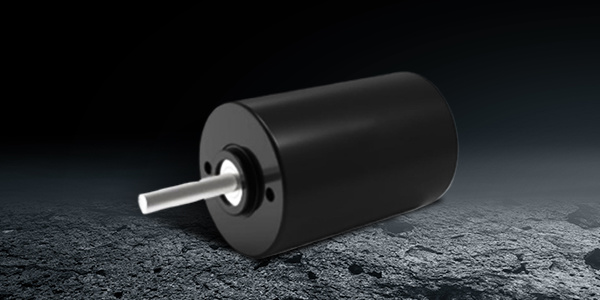
Brushless motors are a vital component of modern drones, playing an essential role in their performance, efficiency, and reliability. Unlike traditional brushed motors, brushless motors operate without physical brushes, which minimizes friction and wear, leading to enhanced durability and longevity. This fundamental difference allows brushless motors to deliver a smoother and more efficient power output, making them the preferred choice for drone applications.
One of the most significant advantages of drone brushless motors is their exceptional efficiency. Due to the absence of brushes, these motors can achieve higher speeds and generate more power while consuming less energy. This efficiency is crucial for drones, especially in applications such as aerial photography, surveying, and agricultural monitoring, where extended flight times are essential. As a result, a drone equipped with brushless motors can cover larger areas or capture more footage on a single charge.
In addition to efficiency, drone brushless motors offer better performance in terms of torque and speed. The design of these motors enables them to produce higher torque at lower speeds, which is particularly advantageous for drones that require quick responses to control inputs. This characteristic allows for agile maneuverability, essential for tasks ranging from racing to intricate aerial maneuvers.
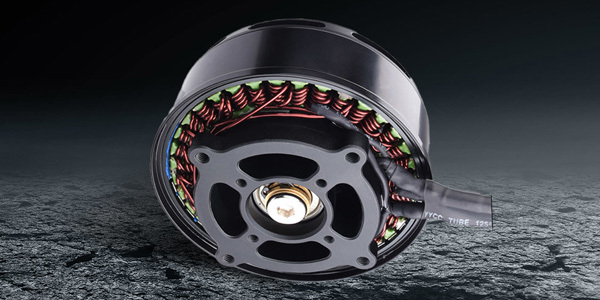
The construction of brushless motors also contributes to their appeal. They typically consist of a rotor, stator, and electronic speed controller (ESC). The ESC manages the power delivered to the motor, allowing for precise control over the drone's movements. This level of control is critical for applications requiring accurate positioning, such as in mapping or inspection tasks.
Moreover, the reduced maintenance requirements of brushless motors can lead to lower operational costs in the long run. With fewer moving parts subject to wear and tear, users can expect less frequent replacements and repairs compared to their brushed counterparts. This reliability is paramount for commercial operators who rely on drones for various business applications.
In conclusion, drone brushless motors represent a significant advancement in electric motor technology, offering numerous benefits that enhance the functionality and efficiency of drones. Their unique construction, combined with superior performance and longevity, makes them an integral part of today’s aerial technology landscape. Whether for hobbyists or professionals, understanding the advantages of brushless motors can help users make informed decisions when selecting equipment for their aerial endeavors.
Previous: Essential Features to Look for in High Torque Drone Motors
Next: Maximizing Flight Time: The Essential Role of Drone Power Systems in Electric Motors


Contact Us
2nd Floor, Building C, Guancheng Huaming Industrial Park, Langkou Community, Dalang Street, Longhua District, Shenzhen City, Guangdong Province