







Jan 16,2026
Maximizing Flight Time: The Essential Role of Drone Power Systems in Electric Motors
Maximizing Flight Time: The Essential Role of Drone Power Systems in Electric Motors In the rapidly evolving world of drone technology, maximizing flight time is a critical consideration for operators and manufacturers alike. Electric motors are at the heart of drone power systems, playing a crucial role in determining flight duration, efficiency, and overall performance. This article delves deep
Maximizing Flight Time: The Essential Role of Drone Power Systems in Electric Motors
In the rapidly evolving world of drone technology, maximizing flight time is a critical consideration for operators and manufacturers alike. Electric motors are at the heart of drone power systems, playing a crucial role in determining flight duration, efficiency, and overall performance. This article delves deep into the intricate relationship between electric motors and drone power systems, providing insights into how they work together to enhance flight time and operational capabilities.
Table of Contents
- Understanding Drone Power Systems
- Electric Motors in Drones: A Comprehensive Overview
- Battery Technology and Its Impact on Flight Time
- The Role of Efficiency in Drone Power Systems
- Optimizing Flight Time Through Innovative Design
- Real-World Applications and Case Studies
- Future Trends in Drone Power Systems
- Frequently Asked Questions
Understanding Drone Power Systems
Drone power systems consist of several interconnected components that work together to produce thrust and ensure smooth flight operations. The core elements include the electric motor, battery, electronic speed controllers (ESC), and the propeller system. Understanding how these components interact is essential for maximizing flight time.
Key Components of Drone Power Systems
The primary components of a drone's power system include:
- Electric Motors: These motors convert electrical energy into mechanical energy, enabling the propellers to spin.
- Batteries: Batteries store and supply electrical energy to the motors and other electronic components.
- Electronic Speed Controllers (ESC): ESCs regulate the power sent to the motors, allowing for precise control of speed and direction.
- Propellers: Propellers generate lift and thrust, determining how efficiently the drone can move through the air.
Electric Motors in Drones: A Comprehensive Overview
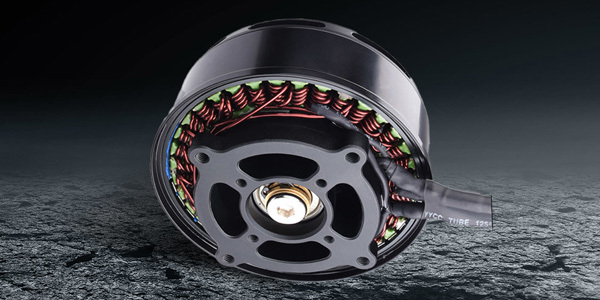
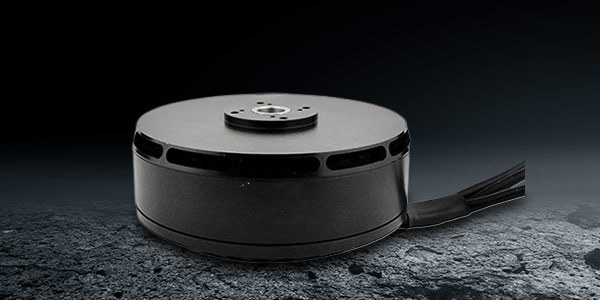
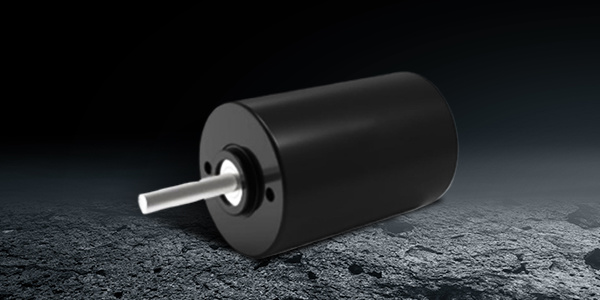
Electric motors used in drones come in various types, including brushless and brushed motors. Brushless motors are the preferred choice for modern drones due to their higher efficiency, longer lifespan, and reduced maintenance needs.
Brushless Motors vs. Brushed Motors
Brushless motors are designed without brushes, which results in less friction and heat generation. This design leads to:
- Higher Efficiency: Brushless motors can convert a larger percentage of electrical energy into mechanical energy.
- Longer Lifespan: The absence of brushes reduces wear and tear, extending the motor's operational life.
- Better Performance: Brushless motors provide smoother operation and more power, enhancing flight capabilities.
Battery Technology and Its Impact on Flight Time
The choice of battery significantly influences a drone's flight time. Lithium polymer (LiPo) batteries are the most common type used in drones due to their lightweight and high-energy density. Understanding battery specifications is crucial for optimizing flight performance.
Battery Capacity and Discharge Rates
Battery capacity, measured in milliampere-hours (mAh), indicates how much energy the battery can store. A higher capacity allows for longer flight times. Additionally, the discharge rate, measured in "C," determines how quickly the battery can release energy. Choosing the right balance between capacity and discharge rates is essential for maximizing flight time while ensuring optimal motor performance.
The Role of Efficiency in Drone Power Systems
Efficiency in drone power systems is paramount for extending flight time. Understanding how to enhance the efficiency of electric motors and other components can lead to significant improvements in overall performance.
Motor Efficiency and Performance Factors
Several factors affect motor efficiency, including:
- Weight Management: Lighter drones typically consume less power, allowing for longer flight durations.
- Propeller Design: Efficient propeller designs can improve thrust while reducing drag, positively impacting flight times.
- Motor Calibration: Properly calibrating the motor and ESC settings optimizes performance and efficiency.
Optimizing Flight Time Through Innovative Design
Innovative design strategies can significantly enhance flight time in drones. By focusing on aerodynamics, weight distribution, and component integration, manufacturers can create drones that are not only efficient but also capable of extended flight durations.
Aerodynamic Design Considerations
Streamlined shapes and optimized surfaces reduce drag, allowing drones to cut through the air more efficiently. Features such as:
- Recessed Propellers: Protecting propellers from turbulent airflow can enhance lift.
- Winglets: Adding winglets can reduce vortex drag at the tips of the wings, improving overall efficiency.
Real-World Applications and Case Studies
Understanding how electric motors and power systems work in real-world applications illustrates their importance in maximizing drone flight time. Various industries utilize drones for an array of tasks, including agriculture, inspection, and delivery.
Case Study: Agriculture
In agriculture, drones equipped with efficient electric motors allow farmers to conduct aerial surveys and monitor crop health. By maximizing flight time, these drones can cover larger areas in a single flight, providing valuable data for farmers.
Case Study: Delivery Services
Delivery services are increasingly relying on drones to transport packages. Innovations in power systems allow these drones to carry heavier loads while maintaining sufficient flight times, thus enhancing operational efficiency.
Future Trends in Drone Power Systems
The future of drone technology is bright, with ongoing advancements in power systems promising to further enhance flight times and efficiency. Key trends include:
Advancements in Battery Technology
Research into solid-state batteries and other advanced technologies holds the potential to significantly increase energy density while reducing weight, directly impacting flight times.
Integration of Artificial Intelligence
AI algorithms can optimize flight paths and adjust power consumption dynamically, ensuring drones operate at peak efficiency throughout their flight.
Frequently Asked Questions
1. What type of electric motor is best for drones?
Brushless motors are generally preferred due to their efficiency, performance, and longevity.
2. How can I improve my drone's flight time?
Optimizing weight, using high-capacity batteries, and ensuring efficient motor settings can help improve flight time.
3. What is the impact of propeller design on flight time?
Efficient propeller design reduces drag and enhances thrust, which can lead to longer flight durations.
4. Are there any emerging technologies that could affect drone flight time?
Yes, advancements in battery technology, such as solid-state batteries, and AI for flight optimization are promising areas for improving flight times.
5. How often should I maintain my drone's power system?
Regular maintenance is crucial. Check motors, batteries, and ESCs before each flight to ensure optimal performance.
Conclusion
Maximizing flight time in drones hinges on the seamless integration of electric motors and power systems. By understanding the importance of motor efficiency, battery technology, and innovative design, drone operators can ensure optimal performance in various applications. As technology continues to evolve, so too will the capabilities of drone power systems, paving the way for longer, more efficient flights in the future.
Previous: Understanding Drone Brushless Motors: The Heart of Modern Aerial Technology
Next: Essential Flying Drone Accessories for Every Enthusiast


Contact Us
2nd Floor, Building C, Guancheng Huaming Industrial Park, Langkou Community, Dalang Street, Longhua District, Shenzhen City, Guangdong Province