







Dec 23,2025
Understanding Drone Motors: The Heart of Aerial Technology
Drone motors are a crucial component in the realm of aerial technology, serving as the driving force behind the movement and stability of drones. These motors are primarily responsible for converting electrical energy into mechanical energy, enabling the intricate flight dynamics that drones exhibit. Understanding the types of drone motors and their functionalities can significantly enhance one's
Drone motors are a crucial component in the realm of aerial technology, serving as the driving force behind the movement and stability of drones. These motors are primarily responsible for converting electrical energy into mechanical energy, enabling the intricate flight dynamics that drones exhibit. Understanding the types of drone motors and their functionalities can significantly enhance one's appreciation for this sophisticated technology.
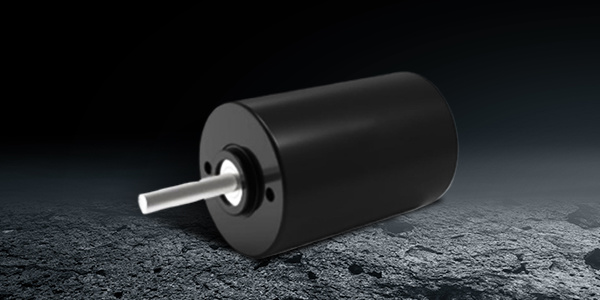
There are primarily two types of motors used in drones: brushed and brushless motors. Brushed motors are simpler in design and are often found in smaller drones. They rely on carbon brushes to deliver current to the motor windings, which creates a magnetic field that enables rotation. While these motors are cost-effective and easy to control, they tend to wear out quickly due to friction, making them less ideal for high-performance applications.

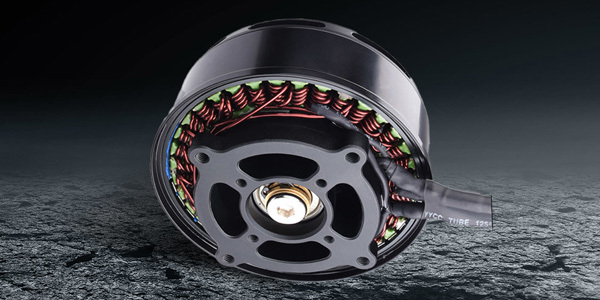
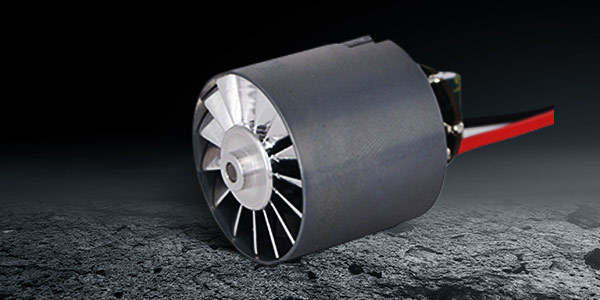
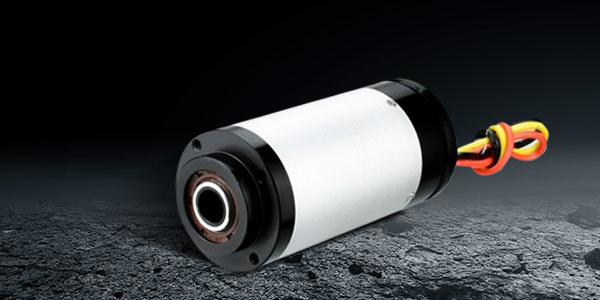
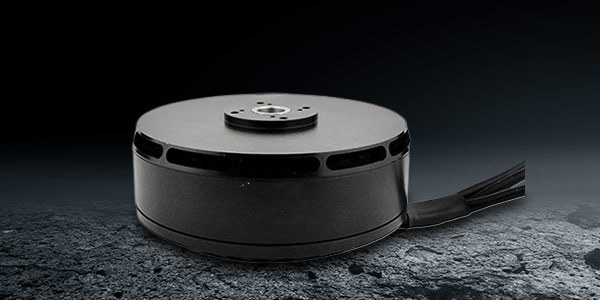
On the other hand, brushless motors are increasingly popular in the drone industry due to their efficiency and longevity. They utilize electronic speed controllers (ESCs) to manage the current flow, resulting in smoother operation and reduced maintenance needs. Brushless motors are favored for their higher power-to-weight ratio, enabling drones to achieve greater speeds and improved maneuverability. This makes them particularly suitable for applications such as aerial photography, racing, and surveying.
The power output of drone motors is measured in terms of thrust, typically expressed in grams. The thrust needed varies based on the drone’s weight, the intended use, and the flight duration required. Selecting the right motor involves understanding these parameters and determining the ideal thrust-to-weight ratio to achieve optimal performance.
Additionally, the efficiency of drone motors is influenced by several factors, such as the design of the propellers, battery capacity, and overall aerodynamics of the drone. By optimizing these elements, users can significantly extend flight time and enhance the drone’s operational range.
In conclusion, drone motors play a vital role in determining the performance and capabilities of drones. By understanding the differences between brushed and brushless motors, along with their operational efficiencies, drone enthusiasts and professionals can make informed decisions when selecting the right components for their aerial projects. Whether for recreational use or industrial applications, the choice of motor can significantly impact a drone's functionality, making it an essential aspect of drone technology worth exploring.
Previous: Exploring the Versatility of Drone Power Kits in Electric Applications
Next: High Torque vs. Standard Drone Motors: What's the Difference?


Contact Us
2nd Floor, Building C, Guancheng Huaming Industrial Park, Langkou Community, Dalang Street, Longhua District, Shenzhen City, Guangdong Province