






Dec 19,2025
High Torque vs. Standard Drone Motors: What's the Difference?
High Torque vs. Standard Drone Motors: What's the Difference? When it comes to drone technology, selecting the right motor is paramount to achieving optimal performance, efficiency, and reliability. Among the various types of drone motors, high torque and standard drone motors are two of the most commonly used. In this article, we will delve into the intricate details of both motor types, comparin
High Torque vs. Standard Drone Motors: What's the Difference?
When it comes to drone technology, selecting the right motor is paramount to achieving optimal performance, efficiency, and reliability. Among the various types of drone motors, high torque and standard drone motors are two of the most commonly used. In this article, we will delve into the intricate details of both motor types, comparing their functionalities, advantages, and ideal applications. By the end, you will have a thorough understanding of these motors, enabling you to make an informed choice for your drone needs.
Table of Contents
1. Understanding Drone Motors
2. What is Standard Drone Motor?
3. What is High Torque Drone Motor?
4. Comparing Performance Characteristics
4.1 Power and Efficiency
4.2 Thrust and Load Capacity
5. Applications of High Torque and Standard Motors
5.1 Where to Use Standard Motors
5.2 High Torque Motor Applications
6. Advantages of Each Motor Type
6.1 Benefits of Standard Drone Motors
6.2 Advantages of High Torque Motors
7. Disadvantages to Consider
7.1 Limitations of Standard Motors
7.2 Downsides of High Torque Motors
8. How to Choose the Right Motor for Your Drone
9. Frequently Asked Questions (FAQs)
10. Conclusion
1. Understanding Drone Motors
Drone motors serve as the backbone of any flying machine, powering the propellers that lift the drone into the air. These motors convert electrical energy into mechanical energy, providing the thrust needed for flight. Different types of motors offer unique advantages that cater to various flying needs, making it essential to choose the right type based on the specific requirements of your drone.
2. What is Standard Drone Motor?
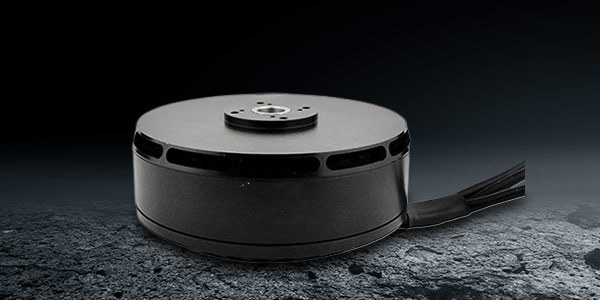
Standard drone motors are typically brushless motors designed for general use in consumer and hobbyist drones. They offer a balanced performance that caters to a wide range of applications. Standard motors are well-known for their reliability and efficiency at moderate speeds and power levels. These motors are usually lighter, making them suitable for smaller drones and basic aerial photography.
3. What is High Torque Drone Motor?
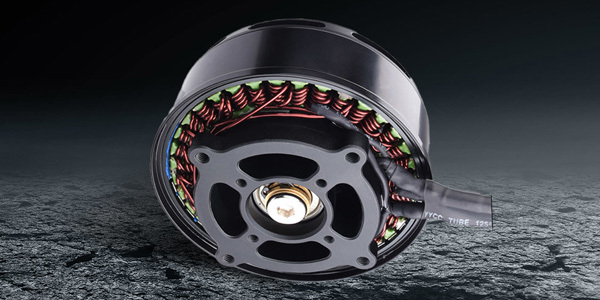
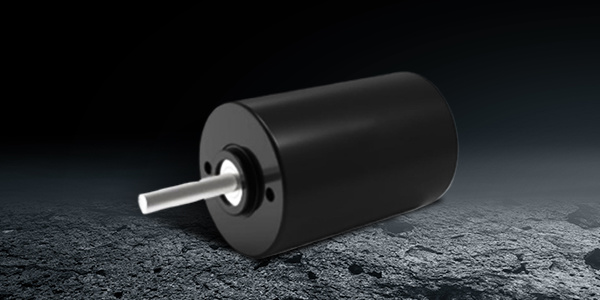
High torque drone motors are engineered to deliver exceptional power at low speeds, allowing for greater thrust and load capacity. These motors feature enhanced torque output, enabling them to handle heavier payloads and demanding maneuvers. Ideal for applications requiring substantial lift and stability, high torque motors are commonly found in professional-grade drones, especially those used for aerial surveying, agriculture, and cinematography.
4. Comparing Performance Characteristics
To fully grasp the differences between high torque and standard drone motors, we need to analyze their performance characteristics in detail.
4.1 Power and Efficiency
Standard drone motors are designed for efficiency in typical flying conditions. They provide sufficient power for basic flight maneuvers but may struggle when faced with heavier payloads or demanding environments. In contrast, high torque motors excel in delivering power where it is needed most. Their ability to maintain efficiency while producing substantial thrust makes them ideal for professional applications.
4.2 Thrust and Load Capacity
Thrust is a critical factor that determines how well a drone can lift off and carry payloads. Standard motors usually produce moderate thrust suitable for lightweight drones. On the other hand, high torque motors generate significantly higher thrust levels. This increased performance allows drones equipped with high torque motors to carry heavier equipment, such as high-resolution cameras or sensors, without compromising flight stability.
5. Applications of High Torque and Standard Motors
Each motor type serves specific applications based on its performance characteristics.
5.1 Where to Use Standard Motors
Standard drone motors are well-suited for recreational flying, basic aerial photography, and educational projects. They perform exceptionally well in lightweight drones with fewer demanding requirements. If you are a hobbyist looking for a drone for casual flights or simple tasks, standard motors will likely meet your needs.
5.2 High Torque Motor Applications
High torque motors are indispensable in professional-grade drones used for complex tasks. These applications include:
- Aerial surveys that require stable flight for accurate data collection.
- Agricultural drones designed to spray crops or monitor health.
- Cinematography drones that need to carry heavy cameras for high-quality video production.
- Drones used in search and rescue operations where precise maneuverability and payload capacity are crucial.
6. Advantages of Each Motor Type
Both high torque and standard motors offer distinct advantages that can enhance your drone experience.
6.1 Benefits of Standard Drone Motors
- **Cost-Effective**: Standard motors are generally more affordable than high torque alternatives, making them an attractive choice for budget-conscious buyers.
- **Simplicity**: Their straightforward design allows for easier installation and maintenance, perfect for novice drone enthusiasts.
- **Balanced Performance**: Standard motors provide reliable performance for basic applications without the need for excessive power.
6.2 Advantages of High Torque Motors
- **Increased Payload Capacity**: High torque motors enable drones to carry heavier loads, essential for professional operations.
- **Enhanced Stability**: Drones equipped with high torque motors can maintain stability even in challenging conditions, providing smoother flight experiences.
- **Superior Power Output**: These motors can achieve high thrust levels, making them ideal for demanding applications.
7. Disadvantages to Consider
While both motor types have their benefits, they also come with limitations.
7.1 Limitations of Standard Motors
- **Lower Thrust**: Standard motors may not provide enough power for heavier payloads or high-performance applications.
- **Limited Applications**: Their versatility comes at the cost of not being suitable for professional tasks, which often require more power and stability.
7.2 Downsides of High Torque Motors
- **Higher Cost**: The advanced technology and engineering involved in high torque motors typically lead to a higher price point.
- **Increased Weight**: High torque motors can be heavier, which might not be ideal for smaller drones designed for lightweight applications.
8. How to Choose the Right Motor for Your Drone
Choosing the right motor depends on your specific needs and the tasks you want your drone to perform. Here are some factors to consider:
- **Weight of the Drone**: Ensure that the motor you choose can handle the drone’s weight, including any additional payload.
- **Intended Use**: Determine whether you need a motor for recreational use, photography, or professional tasks.
- **Budget**: Set a budget to guide your choice between standard and high torque motors.
9. Frequently Asked Questions (FAQs)
1. Are high torque motors always better than standard motors?
High torque motors excel in specific applications requiring more power and stability, but standard motors are adequate for less demanding tasks. Choose based on your specific needs.
2. Can I use a high torque motor on a lightweight drone?
While you can use a high torque motor on a lightweight drone, it may be overkill and could negatively impact flight efficiency.
3. Do standard motors require more maintenance than high torque motors?
Both motor types should be maintained regularly, but standard motors typically have a simpler design that may require less frequent maintenance.
4. What is the average lifespan of drone motors?
The lifespan of drone motors depends on usage, maintenance, and quality. Generally, they can last from a few hundred to several thousand flight hours.
5. Can I upgrade my drone with a different type of motor?
Yes, upgrading your drone with a different type of motor is possible, but ensure compatibility with the drone's frame and electronic speed controllers (ESCs).
10. Conclusion
In conclusion, understanding the differences between high torque and standard drone motors is essential for selecting the right motor for your specific needs. While standard motors offer an efficient and cost-effective solution for casual users, high torque motors provide the power and stability required for professional applications. By considering the advantages and disadvantages of each type and aligning them with your intended use, you can make an informed decision that enhances your drone experience. Whether you are a hobbyist, a filmmaker, or an agricultural operator, the right motor will pave the way for achieving your aerial goals.
Previous: Understanding Drone Motors: The Heart of Aerial Technology
Next: Understanding Drone Brushless Motors: A Key Component for High-Performance UAVs


Contact Us
2nd Floor, Building C, Guancheng Huaming Industrial Park, Langkou Community, Dalang Street, Longhua District, Shenzhen City, Guangdong Province