







Dec 16,2025
Understanding Drone Brushless Motors: A Key Component for High-Performance UAVs
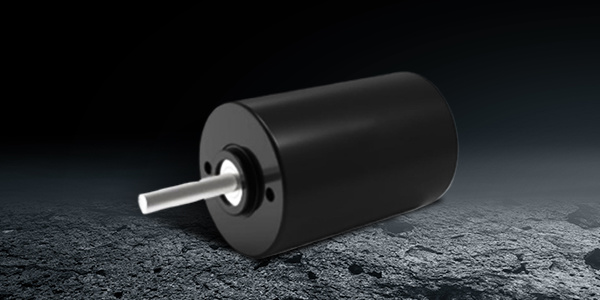
Brushless motors are a cornerstone of modern drone technology, providing superior efficiency, longevity, and performance compared to their brushed counterparts. When it comes to the operation of unmanned aerial vehicles (UAVs), understanding the functionality and advantages of drone brushless motors is essential for professionals in the electrical and electronics industry. A brushless motor operat
Brushless motors are a cornerstone of modern drone technology, providing superior efficiency, longevity, and performance compared to their brushed counterparts. When it comes to the operation of unmanned aerial vehicles (UAVs), understanding the functionality and advantages of drone brushless motors is essential for professionals in the electrical and electronics industry.
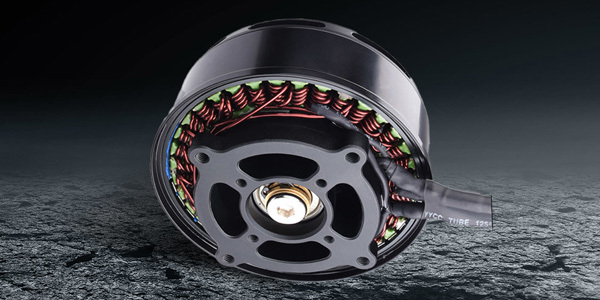
A brushless motor operates on the principle of electromagnetic induction, utilizing a rotating magnetic field generated by permanent magnets mounted on the rotor. This design eliminates the need for brushes, which are found in traditional brushed motors. The absence of brushes reduces mechanical wear, minimizes maintenance needs, and enhances reliability, making brushless motors a preferred choice for high-performance drones.

One of the primary advantages of drone brushless motors is their efficiency. These motors can convert electrical energy into mechanical energy with minimal energy loss. This efficiency translates into longer flight times, which is crucial for applications such as aerial photography, surveying, and inspection tasks where prolonged flight duration is essential. Additionally, the high torque-to-weight ratio of brushless motors allows drones to carry heavier payloads without compromising flight stability and performance.
Another significant benefit is their operational smoothness and quietness. Brushless motors tend to operate at lower noise levels, making them ideal for applications requiring stealth, such as wildlife monitoring or search and rescue missions. This characteristic is particularly important in urban environments where noise pollution regulations may apply.
The control of drone brushless motors is often facilitated by electronic speed controllers (ESCs), allowing for precise adjustments to speed and torque. This capability is critical for maintaining stability and maneuverability during flight, especially in dynamic environments. Advanced ESCs can also incorporate features such as regenerative braking, which further enhances the overall efficiency of the system.
Furthermore, the integration of brushless motors in drones allows for more compact designs. As these motors are smaller and lighter than traditional brushed motors, they enable manufacturers to create more agile and responsive UAVs, opening doors for innovations in design and functionality.
In conclusion, drone brushless motors play an integral role in advancing UAV technology. Their efficiency, longevity, and smooth operation contribute to improvements in flight performance, making them indispensable in various applications across industries. For professionals in the electrical and electronics field, a deep understanding of these motors and their impact on drone performance is essential for staying competitive in the ever-evolving landscape of drone technology.
Previous: High Torque vs. Standard Drone Motors: What's the Difference?
Next: Drone Power Systems: A Deep Dive into Energy Solutions for UAVs


Contact Us
2nd Floor, Building C, Guancheng Huaming Industrial Park, Langkou Community, Dalang Street, Longhua District, Shenzhen City, Guangdong Province