







Feb 16,2026
The Intersection of Technology and Flight: Drone Power Systems Explained
The Intersection of Technology and Flight: Drone Power Systems Explained Table of Contents 1. Introduction to Drone Technology 2. The Role of Power Systems in Drones 3. Types of Electric Motors Used in Drones 3.1 Brushed vs. Brushless Motors 3.2 Advantages of Brushless Motors 4. Battery Technologies Powering Drones 4.1 Lithium-Polymer (LiPo) Batteries 4.2 Lithium-Ion Batteries 5. Power Management
The Intersection of Technology and Flight: Drone Power Systems Explained
Table of Contents
1. Introduction to Drone Technology
2. The Role of Power Systems in Drones
3. Types of Electric Motors Used in Drones
3.1 Brushed vs. Brushless Motors
3.2 Advantages of Brushless Motors
4. Battery Technologies Powering Drones
4.1 Lithium-Polymer (LiPo) Batteries
4.2 Lithium-Ion Batteries
5. Power Management Systems in Drones
5.1 Overview of Power Distribution
5.2 Battery Management Systems (BMS)
6. The Future of Drone Power Systems
7. Common Challenges in Drone Power Systems
8. Conclusion
9. FAQs
1. Introduction to Drone Technology
The rapid evolution of drone technology has transformed multiple sectors, including agriculture, security, logistics, and entertainment. As we continue to innovate, understanding the fundamental elements of drone design becomes crucial. Among these elements, **power systems** play an essential role in determining a drone's efficiency, flight time, and overall performance.
2. The Role of Power Systems in Drones
At the heart of every drone lies its **power system**, which consists of several components working in harmony to deliver the necessary energy for flight. This includes electric motors, batteries, and various management systems that ensure optimal performance. A well-designed power system is vital for **maximizing flight efficiency**, enhancing payload capacity, and extending flight duration.
3. Types of Electric Motors Used in Drones
Electric motors are integral to the functioning of drones, providing the necessary thrust for flight. There are two main types of electric motors commonly used in drone applications: brushed and brushless motors.
3.1 Brushed vs. Brushless Motors
**Brushed motors** are traditional and more straightforward in design, featuring brushes that conduct electricity to the rotor. While they are generally less expensive, they tend to wear out faster and have lower efficiency compared to their brushless counterparts.
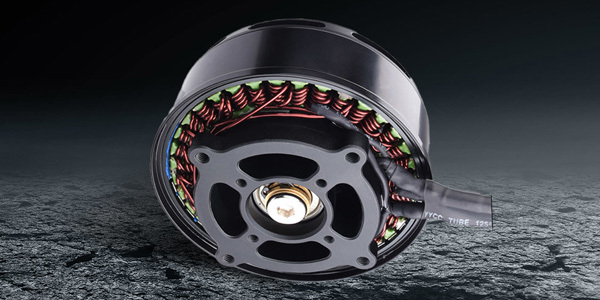
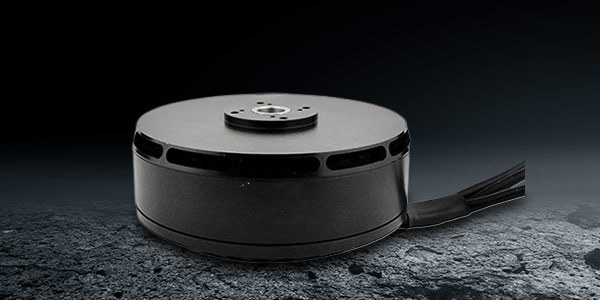
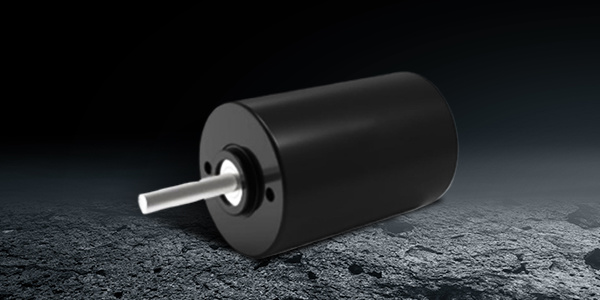
**Brushless motors,** on the other hand, use electronic commutation to eliminate the brushes. This design results in higher efficiency, better durability, and less maintenance. As a result, brushless motors have become the preferred choice for most drone manufacturers.
3.2 Advantages of Brushless Motors
Brushless motors provide several advantages that make them ideal for drone applications:
- **Higher Efficiency:** They convert electrical energy to mechanical energy more efficiently, leading to longer flight times.
- **Lower Heat Generation:** With fewer moving parts, brushless motors produce less heat, which contributes to improved performance and durability.
- **Better Thrust-to-Weight Ratio:** The lightweight design of brushless motors allows drones to carry heavier payloads without compromising performance.
4. Battery Technologies Powering Drones
The choice of battery technology is critical in determining a drone's operational capabilities. The two most commonly used battery types are Lithium-Polymer (LiPo) and Lithium-Ion batteries.
4.1 Lithium-Polymer (LiPo) Batteries
**Lithium-Polymer batteries** are favored for drone applications due to their lightweight design and high energy density. They offer several advantages, including:
- **High Discharge Rates:** LiPo batteries can deliver bursts of power, essential for sudden acceleration or climbing.
- **Customizable Shapes:** They can be manufactured in various shapes and sizes to fit different drone designs.
- **Low Internal Resistance:** This leads to increased efficiency and reduced heat generation during operation.
4.2 Lithium-Ion Batteries
While **Lithium-Ion batteries** are often used in consumer electronics, they are also suitable for drone applications. They generally provide:
- **Longer Cycle Life:** Lithium-Ion batteries can endure more charge/discharge cycles than LiPo batteries, making them ideal for extended usage.
- **Higher Energy Density:** They can store more energy in a smaller volume, which is advantageous for larger drones.
5. Power Management Systems in Drones
Efficient power management is essential for maximizing the performance of drone power systems. This includes power distribution and battery management systems (BMS).
5.1 Overview of Power Distribution
Power distribution involves managing the flow of electrical energy from the battery to the motors and other electronic components. An efficient power distribution system ensures that each component receives the appropriate voltage and current, optimizing overall performance.
5.2 Battery Management Systems (BMS)
A Battery Management System monitors and manages the performance of batteries within drones. Key functions of a BMS include:
- **Cell Balancing:** Ensuring that all cells within a battery pack are charged and discharged evenly to prolong battery life.
- **Temperature Monitoring:** Preventing overheating and potential damage by regulating temperature levels during operation.
- **State of Charge (SOC) Monitoring:** Providing real-time data on remaining battery life to prevent unexpected power loss during flight.
6. The Future of Drone Power Systems
As technology continues to advance, the future of drone power systems looks promising. Emerging trends include:
- **Hybrid Power Systems:** Combining traditional fuel sources with electric systems to enhance flight times and extend operational ranges.
- **Advanced Battery Technologies:** Research into solid-state batteries and other innovative technologies could lead to batteries with higher capacity and faster charging times.
- **Autonomous Power Management:** AI-driven systems that optimize power usage in real-time could significantly improve drone efficiency and operational capabilities.
7. Common Challenges in Drone Power Systems
Despite advancements, several challenges remain in the realm of drone power systems:
- **Limited Flight Time:** Battery life continues to be a primary constraint for many drone applications, particularly in commercial uses.
- **Weight Constraints:** Balancing the weight of power systems with the need for payload capacity presents a significant challenge.
- **Environmental Factors:** Temperature and weather can impact battery performance and overall drone reliability.
8. Conclusion
In summary, the intersection of technology and flight through drone power systems is a complex yet fascinating area of development. As technology continues to evolve, understanding the intricacies of electric motors, battery technologies, and power management systems become increasingly important. This knowledge not only enhances the performance and efficiency of drones but also shapes the future of aerial innovation. By embracing advancements in drone power systems, we can look forward to a future where drones become an integral part of our daily lives, pushing the boundaries of what is possible in air travel and various industries.
9. FAQs
1. What are the main components of a drone power system?
The main components include electric motors, batteries, and power management systems.
2. Why are brushless motors preferred in drones?
Brushless motors are preferred due to their higher efficiency, durability, and lower maintenance needs compared to brushed motors.
3. What type of battery is best for drones?
Lithium-Polymer (LiPo) batteries are commonly used due to their high energy density and lightweight design, although Lithium-Ion batteries are also suitable for some applications.
4. How can I improve my drone's flight time?
Improving flight time can be achieved by optimizing weight, using high-capacity batteries, and ensuring efficient power management.
5. What future technologies are emerging in drone power systems?
Future technologies include hybrid power systems, advanced battery technologies like solid-state batteries, and AI-driven autonomous power management systems.
Previous: Exploring Drone Brushless Motors: The Power Behind Modern Aerial Technology
Next: Essential Flying Drone Accessories for Enhanced Performance and Safety


Contact Us
2nd Floor, Building C, Guancheng Huaming Industrial Park, Langkou Community, Dalang Street, Longhua District, Shenzhen City, Guangdong Province