







Mar 09,2026
Understanding Brushless Motors for Flying Drones: A Comprehensive Guide
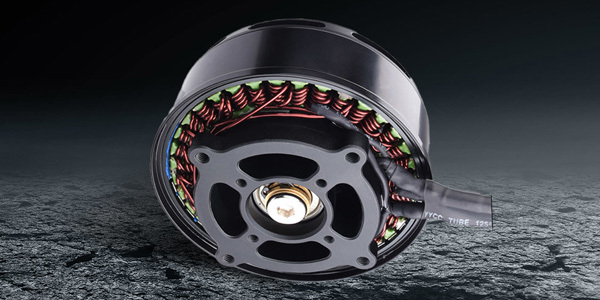
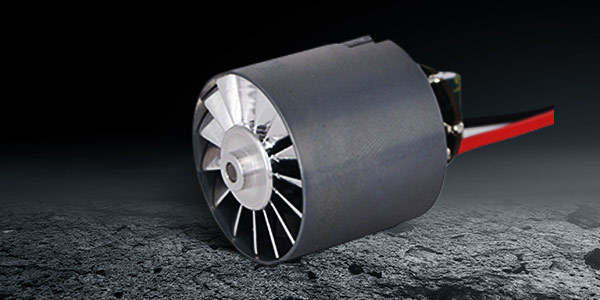
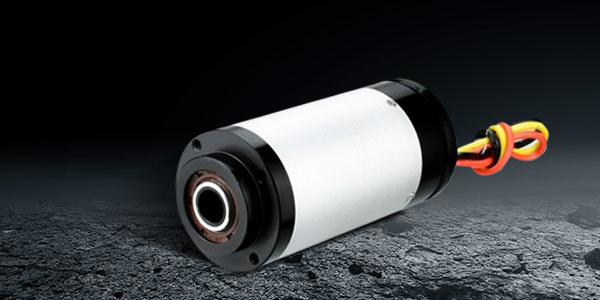
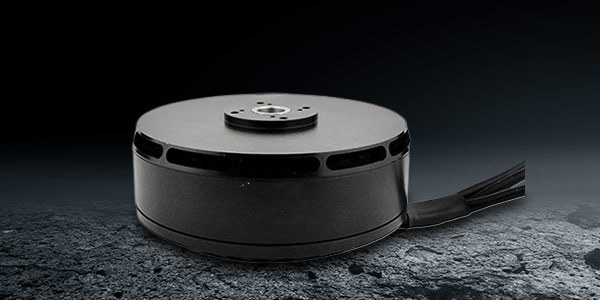
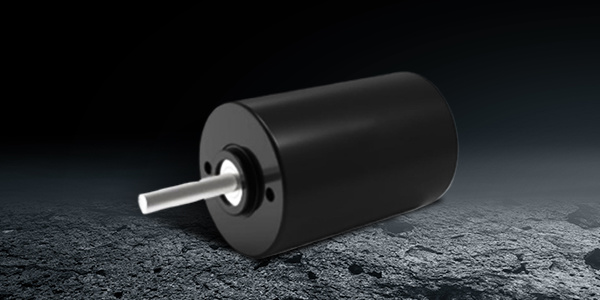
Brushless motors have become a cornerstone in the development of flying drones, particularly due to their efficiency, reliability, and performance advantages. Unlike brushed motors, which rely on physical contact between the brushes and commutator, brushless motors use electronic controllers to manage power distribution, resulting in a variety of benefits for drone applications. One of the primary
One of the primary advantages of brushless motors is their efficiency. They convert electrical energy into mechanical energy more effectively than their brushed counterparts. This means that drones powered by brushless motors can achieve longer flight times on a single battery charge. This efficiency is crucial in applications ranging from recreational use to commercial operations, where extended flight durations can significantly impact productivity and operational costs.
Furthermore, brushless motors tend to have a longer lifespan due to the absence of brushes, which are a common point of wear and tear in traditional motors. This durability is especially beneficial in the demanding environments that drones often operate in. Whether flying in harsh weather conditions or undergoing rapid changes in altitude and speed, the robustness of brushless motors contributes to the overall reliability of flying drones.
Additionally, brushless motors provide superior performance characteristics, such as higher torque and smoother operation. This results in better responsiveness and control, allowing for more precise maneuvers. For professionals in fields such as aerial photography, surveying, and inspection services, these characteristics can enhance the quality of the work performed, leading to more accurate results and improved customer satisfaction.
When selecting brushless motors for flying drones, there are several key factors to consider. The motor's size and weight must be appropriate for the drone's frame to ensure optimal performance without compromising flight stability. Additionally, the thrust-to-weight ratio is critical; a motor that produces too little thrust will hinder the drone’s ability to lift off or carry payloads effectively.
Another important aspect is the motor's Kv rating, which indicates its RPM per volt. A higher Kv rating generally means quicker acceleration and higher speeds but may sacrifice torque. Conversely, lower Kv ratings offer more torque at the expense of speed. Finding the right balance will depend on the specific requirements of the drone's intended use.
In conclusion, flying drone brushless motors are integral to enhancing the performance, efficiency, and durability of drone technology. Understanding their advantages and key selection criteria is essential for industry professionals looking to leverage the full potential of drones in their operations. By considering the operational needs and environmental conditions, one can make informed choices that will improve overall drone performance and reliability.
Previous: Flying Drone Power Kits: A Game Changer for Special Motor Technologies
Next: How Flying Drone Motors Impact Flight Stability and Control


Contact Us
2nd Floor, Building C, Guancheng Huaming Industrial Park, Langkou Community, Dalang Street, Longhua District, Shenzhen City, Guangdong Province