







Mar 06,2026
How Flying Drone Motors Impact Flight Stability and Control
How Flying Drone Motors Impact Flight Stability and Control Table of Contents Introduction to Drone Motors Understanding Flight Stability The Role of Drone Motors in Flight Types of Drone Motors 1. Brushed Motors 2. Brushless Motors 3. Stepper Motors Motor Performance and Flight Control Aerodynamic Factors Affectin
How Flying Drone Motors Impact Flight Stability and Control
Table of Contents
- Introduction to Drone Motors
- Understanding Flight Stability
- The Role of Drone Motors in Flight
- Types of Drone Motors
- Motor Performance and Flight Control
- Aerodynamic Factors Affecting Stability
- Advanced Motor Technology
- Conclusion
- FAQs
Introduction to Drone Motors
In the rapidly advancing world of drone technology, the importance of **drone motors** cannot be overstated. These motors are not just components; they are integral to the overall **performance and reliability** of drones. Understanding how these motors influence flight stability and control is crucial for manufacturers, hobbyists, and professional users alike. This article explores the various types of drone motors, their characteristics, and how they impact the flight dynamics of unmanned aerial vehicles (UAVs).
Understanding Flight Stability
Flight stability refers to a drone's ability to maintain a steady course and control its movements during flight. Stability is paramount for both recreational and commercial applications. Factors affecting flight stability include **aerodynamics, weight distribution, and motor performance**. When a drone encounters disturbances, such as wind or abrupt maneuvers, its stability plays a crucial role in maintaining its intended flight path.
The Role of Drone Motors in Flight
Drone motors are responsible for generating the thrust needed for lift-off and maneuverability. They convert electrical energy from the battery into mechanical energy, allowing the propellers to spin. The effectiveness of a motor directly affects a drone's **response time, agility, and stability** during various flight conditions. Understanding the relationship between motor specifications and flight characteristics is essential for optimizing drone performance.
Types of Drone Motors
The choice of motor can significantly influence a drone's stability and control. Below are the main types of drone motors and their unique characteristics:
1. Brushed Motors
Brushed motors are traditional and relatively simple in design. They consist of a rotor and brushes that make contact with a commutator. While they are less expensive, they often come with limitations in terms of efficiency and lifespan. Brushed motors provide adequate power for smaller drones but can struggle with consistent performance in larger models. Their response time and control can be sluggish, impacting flight stability during rapid movements.
2. Brushless Motors
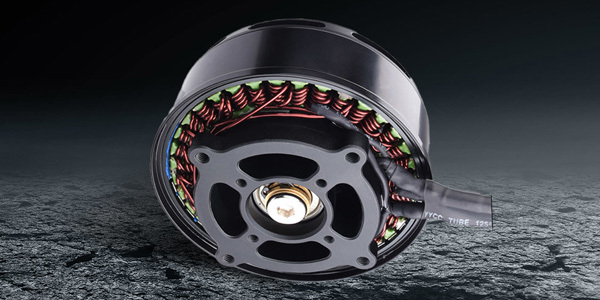
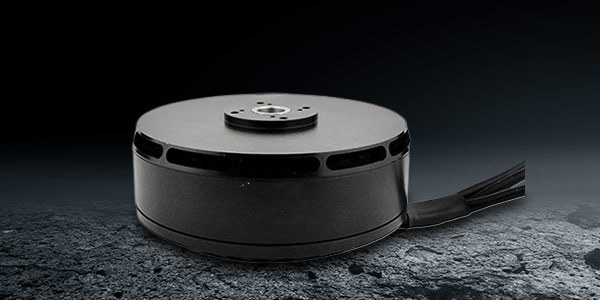
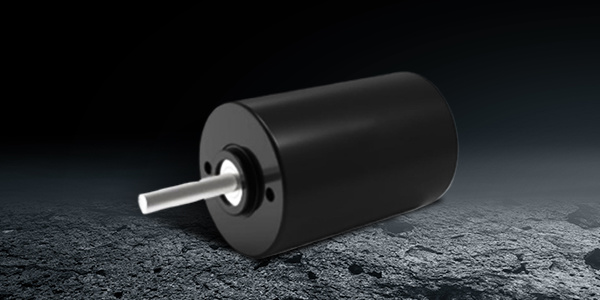
Brushless motors have gained popularity due to their **efficiency and performance**. They operate without brushes, leading to a longer lifespan and higher power-to-weight ratios. Brushless motors offer superior response times, allowing for smoother control during flights. This technology is vital for maintaining flight stability, especially in windy conditions or during complex maneuvers. Their ability to provide consistent thrust makes them the preferred choice for most modern drones.
3. Stepper Motors
Stepper motors are unique as they provide precise control over movement. They are often used in applications where accuracy is essential, such as camera stabilization systems. While stepper motors may not be suitable for all drone types due to their lower speed capabilities, they excel in scenarios requiring **fine-tuned control**. Their impact on flight stability is significant, especially when integrated with advanced control systems.
Motor Performance and Flight Control
The performance of drone motors is critical to achieving optimal flight control. Factors such as **thrust-to-weight ratio, RPM (revolutions per minute), and torque** play essential roles in determining how effectively a drone can respond to pilot commands and environmental variables.
- **Thrust-to-Weight Ratio**: A higher thrust-to-weight ratio allows a drone to perform better during climbs and maneuvers. This capability is crucial for maintaining stability during challenging conditions.
- **RPM**: The revolutions per minute dictate how quickly the propellers can spin. A motor with a high RPM can respond faster to input signals, aiding in stability during rapid directional changes.
- **Torque**: Torque refers to the rotational force provided by the motor. Higher torque translates to better acceleration and deceleration, allowing the drone to stabilize quickly after rapid movements.
Aerodynamic Factors Affecting Stability
Aerodynamics plays a significant role in how drone motors impact flight stability. Factors such as propeller design, air resistance, and weight distribution contribute to a drone's overall performance.
- **Propeller Design**: The shape and size of propellers affect how air flows around the drone. Larger propellers can generate more lift, but they may also create more drag, impacting stability. The ideal propeller design should balance lift generation with drag reduction.
- **Weight Distribution**: A well-balanced drone is less likely to encounter stability issues. Motors must be positioned strategically to ensure even weight distribution, contributing to smoother flight paths.
Advanced Motor Technology
Recent advancements in motor technology have led to significant improvements in drone performance. Innovations such as **sensor integration, dynamic thrust adjustments, and AI-based control systems** enhance stability and control.
- **Sensor Integration**: Modern drones often employ sensors that monitor altitude, orientation, and speed. These sensors provide real-time data to the motor control system, allowing for immediate adjustments to maintain stability.
- **Dynamic Thrust Adjustments**: Some high-end drones feature motors that can dynamically adjust thrust based on flight conditions. This technology ensures optimal performance in varying environments, enhancing stability during flight.
- **AI-Based Control Systems**: The incorporation of AI in drone technology allows for predictive adjustments to flight paths. AI systems analyze data to preemptively react to changes in environmental conditions, thereby improving stability and control.
Conclusion
Understanding the impact of drone motors on flight stability and control is essential for anyone involved in drone technology. From brushed to brushless and stepper motors, each type offers unique advantages that can significantly influence a drone's performance. Technological advancements continue to drive improvements in motor efficiency and control systems, ensuring that drones are more stable and responsive in various flight conditions.
Investing in the right motor technology and understanding its implications on flight dynamics can lead to a safer, more efficient flying experience. As the drone industry continues to evolve, staying informed about these developments will be crucial for achieving optimal flight operations.
FAQs
1. What type of motor is best for drones?
The best type of motor depends on the specific application and requirements. Generally, brushless motors are preferred for their efficiency and responsiveness, particularly in larger drones.
2. How do motors affect drone flight time?
The efficiency of a motor affects battery consumption. Brushless motors tend to be more efficient, leading to longer flight times compared to brushed motors.
3. Can I upgrade my drone’s motors?
Yes, upgrading to higher performance motors can enhance your drone's stability and overall performance. However, ensure compatibility with the drone’s electronic speed controllers (ESC).
4. How do I maintain my drone motors?
Regular maintenance includes checking for wear and tear, cleaning dust and debris, and ensuring that electrical connections are secure. Proper maintenance can extend the lifespan of your drone motors.
5. What is the impact of weather on drone motor performance?
Weather conditions, particularly wind and temperature, can affect motor performance. It's crucial to consider these factors when planning flights to ensure stability and control.
Previous: Understanding Brushless Motors for Flying Drones: A Comprehensive Guide
Next: The Versatile Role of Drones in Electrical and Motor Applications


Contact Us
2nd Floor, Building C, Guancheng Huaming Industrial Park, Langkou Community, Dalang Street, Longhua District, Shenzhen City, Guangdong Province