







Apr 08,2026
The Essential Guide to Brushless Motors in Flying Drones
Brushless motors are a key component in the operation and performance of flying drones. Unlike traditional brushed motors, brushless motors offer several advantages that make them ideal for aerial applications. Understanding the technology behind brushless motors is crucial for anyone interested in drone design, engineering, or operation. One of the primary benefits of brushless motors is their ef
One of the primary benefits of brushless motors is their efficiency. These motors can deliver more power and torque while consuming less energy compared to their brushed counterparts. This efficiency is paramount in flying drones, where flight time and energy management are critical. Brushless motors generate less heat, allowing them to run cooler and longer under continuous use, which is vital for extended drone missions.
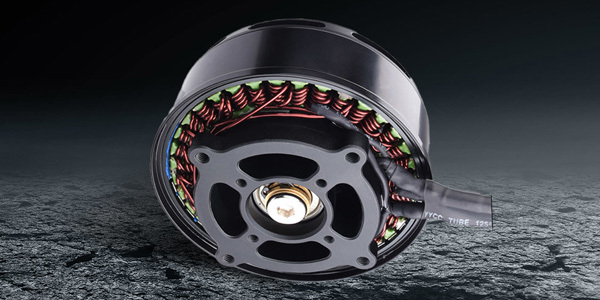
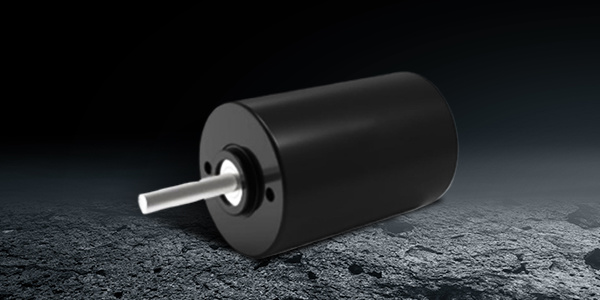
The construction of brushless motors also contributes to their performance. They consist of a rotor with permanent magnets and a stator with windings. The absence of brushes eliminates friction, resulting in smoother operation and less mechanical wear. This design not only enhances the motor's lifespan but also provides a higher power-to-weight ratio, essential for the lightweight frameworks of modern drones.
In terms of technical specifications, brushless motors are often categorized based on their kV rating, which indicates the RPM (revolutions per minute) per volt supplied. A higher kV rating means a faster motor that is better suited for racing or acrobatic flying, while a lower kV rating is preferred for stability and endurance in aerial photography and surveillance. Selecting the appropriate kV rating is crucial for optimizing a drone's performance based on its intended application.
Another critical aspect is the electronic speed controller (ESC), which works in tandem with brushless motors. The ESC regulates the power delivered to the motor, ensuring precise control over speed and responsiveness. This combination allows for advanced flight features, such as stabilization, altitude hold, and GPS functionalities, significantly enhancing the user experience.
When considering brushless motors for a drone project, it’s important to evaluate factors such as weight, thrust-to-weight ratio, and battery capacity. The right balance of these elements will determine the drone's overall performance and application potential. Additionally, the choice of propellers must align with the motor specifications to maximize efficiency and thrust.
In summary, brushless motors play a vital role in the performance and efficiency of flying drones. Their unique design and operational advantages make them the preferred choice for a wide variety of drone applications. By understanding the key features and specifications of brushless motors, users can make informed decisions that enhance their drone experiences, whether for recreational use or professional applications.
Previous: None
Next: Essential Maintenance Tips for Prolonging the Life of Your Flying Drone Motors


Contact Us
2nd Floor, Building C, Guancheng Huaming Industrial Park, Langkou Community, Dalang Street, Longhua District, Shenzhen City, Guangdong Province