







May 30,2026
Understanding Drone Motors: Key Considerations for Professionals in the Electric Motor Industry
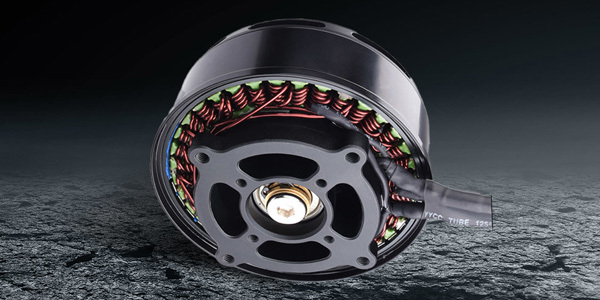
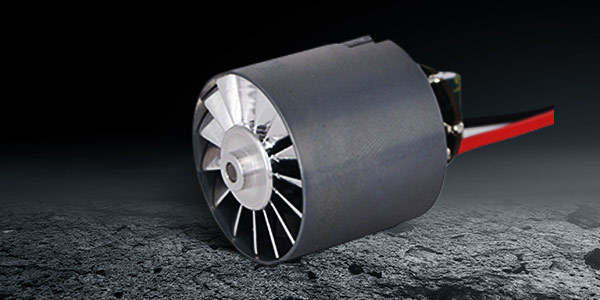
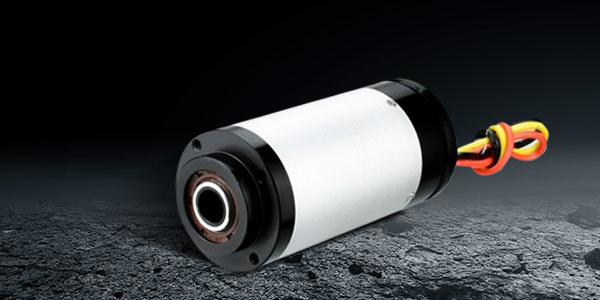
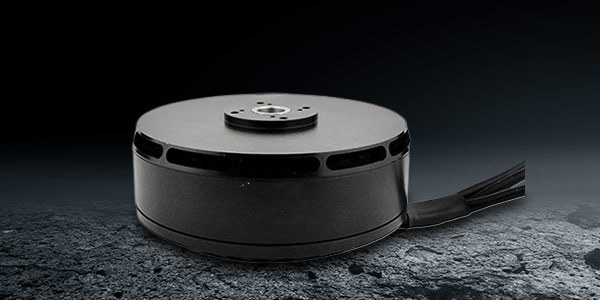
Drone motors are a pivotal component of Unmanned Aerial Vehicles (UAVs), directly impacting performance, efficiency, and overall flight experience. The two primary types of motors used in drones are brushed and brushless motors. Brushed motors are more traditional and generally easier to control, making them suitable for simpler applications. However, they tend to wear out more quickly due to fric
When selecting drone motors, several technical specifications bear consideration. The motor's Kv rating, which indicates the RPM per volt, is crucial in determining how powerful and responsive the drone will be. A higher Kv rating indicates a faster motor, suitable for racing drones, while a lower Kv rating is generally used for stability in aerial photography drones. Additionally, thrust-to-weight ratio plays a significant role in drone performance. A good rule of thumb is that the total thrust produced by the motors should be at least twice the weight of the drone for optimal performance.
Cooling mechanisms are another important aspect of drone motors. Overheating can severely affect performance and lifespan. Therefore, professionals should consider the motor's cooling design, including air ventilation and heat dissipation methods, especially for high-performance applications where the motors may be subjected to sustained high loads.
Power supply is also critical when discussing drone motors. The choice of battery impacts not only flight time but also motor efficiency. Lithium Polymer (LiPo) batteries are the most common due to their high energy density and discharge rates, making them ideal for powering drone motors. However, proper battery management systems are essential to ensure safety and performance.
In summary, an in-depth understanding of drone motors is vital for professionals in the electric motor industry. From differentiating between brushed and brushless motors to evaluating specifications such as Kv ratings, thrust-to-weight ratios, and cooling requirements, each element plays a critical role in ensuring optimal drone performance. By keeping these technical considerations in mind, industry experts can better support the growing demands of the drone market and contribute to the innovation within this exciting field.
Previous: Top Features to Look for in Quality Drone Power Kits
Next: The Critical Significance of High Torque Drone Motors in Racing Drones


Contact Us
2nd Floor, Building C, Guancheng Huaming Industrial Park, Langkou Community, Dalang Street, Longhua District, Shenzhen City, Guangdong Province