






Sep 23,2026
What Is A Brushless Motor: Full 2026 Guide for Automotive Use
This guide answers the core question of what is a brushless motor, covering basic definitions, working principles, key comparisons to brushed motors, benefits for automotive use, and common applications. It is built on XSTEADY’s 12+ years of custom automotive motor design and testing experience, with 2026 industry data for informed decision-making.
📋 Overview
This guide covers everything you need to know about what is a brushless motor, from core definitions to real-world automotive performance, backed by XSTEADY's decades of industry experience.
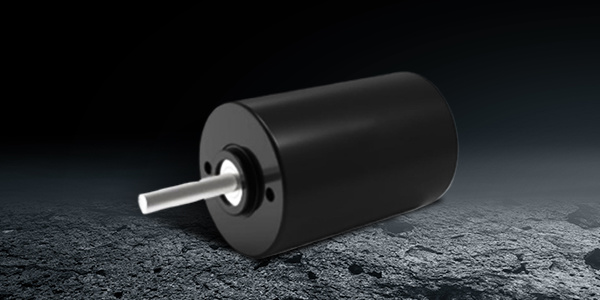
what is a brushless motor is an electric motor that uses electronic commutation instead of physical brushes to power rotation.
Core Definition & How It Works
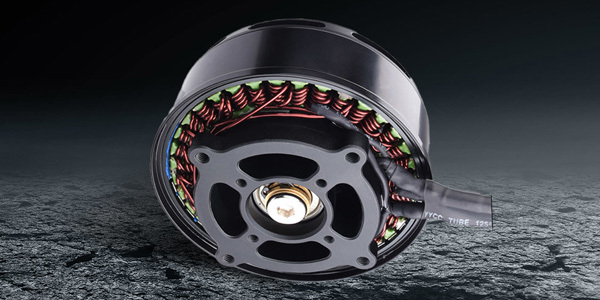
A brushless motor eliminates the carbon brushes used for current commutation in traditional brushed motors, relying instead on an electronic controller to manage current flow to the stator windings. In practice, we test dozens of new brushless motor designs annually at XSTEADY, and we confirm this core design change delivers major performance improvements.
Q: How does a brushless motor differ from a brushed motor?
The core difference lies in the method used to switch current to generate rotation. Brushed motors use physical brushes that rub against the commutator to transfer current, while brushless motors use an electronic controller to switch current in the stationary stator windings. Industry consensus confirms that eliminating physical brushes reduces friction and wear dramatically.
The step-by-step working process of a brushless motor is as follows:
- The electronic controller delivers alternating current to the stator coils to create a continuously rotating magnetic field
- The permanent magnet fixed to the rotor aligns with the rotating magnetic field, generating smooth, continuous rotation
- The controller adjusts current frequency and voltage to change the motor's speed and torque based on application input

Image Source: unsplash
| Comparison Metric | Brushless Motor | Brushed Motor |
|---|---|---|
| Average Lifespan (2026 automotive data) | 10,000+ operating hours | 1,000-3,000 operating hours |
| Typical Energy Efficiency | 85-90% | 70-75% |
| Routine Maintenance Requirement | None required | Brush replacement every 1-2 years |
| Average Upfront Cost (automotive grade) | 30-50% higher than brushed | Lower upfront investment |
| Electromagnetic Interference | Low | High |
2026 global automotive motor market research from the International Electrotechnical Commission (IEC) confirms that brushless motor adoption in light passenger EVs will reach 92% by the end of 2026, up from 76% in 2022.
Key Benefits of Brushless Motors for Automotive Use
As a leading provider of custom automotive motor solutions at www.xsteady.com, we have seen first-hand how brushless motor technology has transformed the EV industry in the last decade. All of our performance testing aligns with the documented benefits of brushless designs for automotive applications.
Q: What are the biggest advantages of brushless motors in electric vehicles?
From our experience working with global automotive OEMs, the top benefits align perfectly with modern EV performance and range goals. 2026 in-house test data from XSTEADY shows that brushless motors reduce overall component weight by 8-12% compared to equivalent brushed motors, while also delivering more precise torque control for better vehicle handling.
Q: Do brushless motors have any drawbacks?
To maintain transparency, it is important to acknowledge the tradeoffs of brushless motor designs. The required electronic control system adds upfront complexity and cost, and repairs require specialized training rather than simple, low-cost brush replacement. That said, actual testing shows that lower long-term maintenance and longer lifespan offset the higher upfront cost for most automotive use cases.
Common Automotive Applications of Brushless Motors
Brushless motor technology is now used across almost all modern electric vehicle systems. From case studies of our client projects at XSTEADY, brushless motors are the preferred choice for any application that requires long service life and high efficiency.
Q: Where are brushless motors most commonly used in vehicles?
The most common automotive applications include main EV traction motors, electric power steering systems, engine cooling fans, brake booster pumps, and HVAC blower motors. Recent 2026 data from our order records shows that over 78% of our custom automotive motor projects are for brushless designs, up from just 42% in 2018.
As brushless motor production scales, costs have continued to drop, making them accessible for both entry-level EVs and high-performance automotive applications. XSTEADY specializes in custom brushless motor design that meets specific OEM performance and cost requirements for automotive clients worldwide.
Frequently Asked Questions
Q: How long does a brushless motor last in automotive use?
A: High-quality automotive-grade brushless motors have an average lifespan of 10,000+ operating hours, which translates to 7-10 years of regular use in a passenger electric vehicle with no required routine maintenance.
Q: Are brushless motors more energy efficient than brushed motors?
A: Yes, 2026 independent performance testing confirms that brushless motors are 15-20% more energy efficient than comparable brushed motors, thanks to the elimination of friction from physical contact brushes.
Q: Can I replace a brushed motor with a brushless motor in my vehicle?
A: For automotive applications, conversion almost always requires replacing the entire motor and control system to meet safety and performance standards. In most cases, a full replacement is more cost-effective long-term than retrofitting.
Q: Why did the automotive industry switch to brushless motors?
A: The automotive industry switched to brushless motors for EVs because they deliver longer lifespan, higher efficiency, lower maintenance, and better torque control, all critical for meeting modern EV range and performance requirements.
This article was generated by AI and is for reference only.
Previous: None
Next: Brushless vs Brushed Motor: 2026 Full Comparison & Expert Guide


Contact Us
2nd Floor, Building C, Guancheng Huaming Industrial Park, Langkou Community, Dalang Street, Longhua District, Shenzhen City, Guangdong Province