







Feb 04,2026
The Role of Flying Drone Motors in Advancing Aerial Photography
The Role of Flying Drone Motors in Advancing Aerial Photography Table of Contents Introduction to Drone Motors and Aerial Photography Understanding Drone Motors: The Heart of Aerial Photography Types of Drone Motors: Which Ones Power Your Aerial Shots? The Importance of Motor Performance in Aerial Photography Recent Advancements in Drone Motor Technology The Impact of Drone Motors on Camera Stabi
The Role of Flying Drone Motors in Advancing Aerial Photography
Table of Contents
- Introduction to Drone Motors and Aerial Photography
- Understanding Drone Motors: The Heart of Aerial Photography
- Types of Drone Motors: Which Ones Power Your Aerial Shots?
- The Importance of Motor Performance in Aerial Photography
- Recent Advancements in Drone Motor Technology
- The Impact of Drone Motors on Camera Stabilization
- The Future of Aerial Photography: Trends and Innovations
- Conclusion: The Essential Role of Drone Motors in Modern Photography
- FAQs about Drone Motors and Aerial Photography
Introduction to Drone Motors and Aerial Photography
In the ever-evolving world of aerial photography, the performance of flying drone motors plays a pivotal role. As technology advances, the capabilities of drones are enhanced, leading to more dynamic and stunning images captured from the sky. This article explores the intricate relationship between drone motors and aerial photography, focusing on how motor performance, type, and advancements shape the future of this industry.
Understanding Drone Motors: The Heart of Aerial Photography
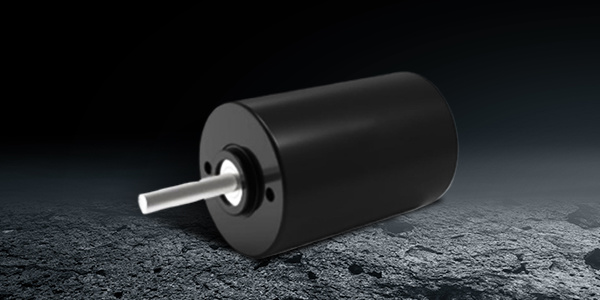
Drone motors are critical components that determine how well a drone can maneuver in the air. These motors provide the necessary thrust to lift the drone off the ground and sustain its flight while carrying cameras and other equipment. Understanding the types of motors used in drones and how they function is essential for photographers who rely on drones for capturing high-quality images.
Components of Drone Motors
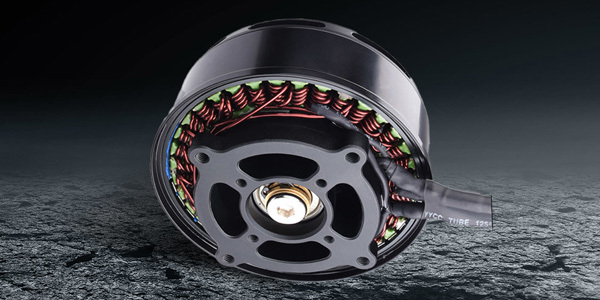
Drone motors generally consist of several key components:
- **Stator**: The stationary part that generates magnetic fields.
- **Rotor**: The rotating part that produces thrust.
- **Commutator**: Helps in the conversion of electrical energy into mechanical energy.
- **Windings**: Copper wires wrapped around the stator that create electromagnetic fields.
Each of these components plays a critical role in the efficiency and power output of the motor, directly impacting the drone’s flight characteristics and, consequently, the quality of the images captured.
Types of Drone Motors: Which Ones Power Your Aerial Shots?
There are primarily two types of motors used in drone technology: brushed and brushless motors. Understanding the differences between these types helps photographers choose the right drone for their needs.
Brushed Motors
Brushed motors are typically less expensive and simpler in design. However, they have some limitations:
- **Efficiency**: Brushed motors tend to be less efficient, leading to shorter flight times.
- **Maintenance**: They require regular maintenance due to wear and tear on the brushes.
Advantages of Brushed Motors
- Lower initial cost
- Easier to repair
Disadvantages of Brushed Motors
- Reduced efficiency
- Shorter lifespan
Brushless Motors
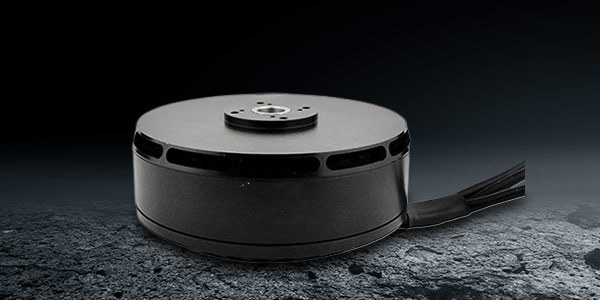
Brushless motors have become the industry standard in modern drones. They offer several advantages:
- **Higher Efficiency**: Brushless motors generate more power with less energy consumption.
- **Longer Lifespan**: With no brushes to wear out, these motors last significantly longer.
Advantages of Brushless Motors
- Enhanced efficiency and performance
- Less noise and vibration
- Better torque production
Disadvantages of Brushless Motors
- Higher upfront cost
- More complex to repair
The Importance of Motor Performance in Aerial Photography
The performance of drone motors directly influences various aspects of aerial photography, including stability, maneuverability, and flight time. A powerful motor allows for more responsive handling, enabling photographers to capture fast-moving subjects or achieve complex aerial shots.
Stability and Control
Stability is crucial for clear, high-quality images. Drones equipped with efficient motors can maintain a steady flight path, reducing the impact of external factors like wind. This stability ensures that the camera remains level, providing crisp and focused shots.
Maneuverability
Photographers often need to navigate tight spaces or perform complex maneuvers. High-performance motors allow drones to change direction quickly and accurately, giving photographers the creative freedom to explore angles and compositions that were previously challenging to achieve.
Flight Time and Battery Efficiency
Longer flight times mean more opportunities to capture stunning images. Brushless motors are particularly beneficial in this regard, as they help optimize battery life. By consuming less power, these motors enable drones to stay in the air longer, maximizing shooting opportunities.
Recent Advancements in Drone Motor Technology
Advancements in drone motor technology continue to reshape the landscape of aerial photography. Innovations such as improved materials, sensor technology, and control systems contribute to better performance and enhanced user experiences.
Smart Motor Systems
Modern drones increasingly feature smart motor systems that utilize sensors to optimize performance in real-time. These systems can adapt to changing conditions, improving stability and responsiveness, which is particularly advantageous when shooting in dynamic environments.
Micro-Motor Technology
The development of micro-motor technology allows for lighter and more compact motors without sacrificing performance. Drones that incorporate these motors can achieve greater agility and efficiency, making them ideal for aerial photography in diverse settings.
Integration with AI
The integration of artificial intelligence (AI) in drone flight control systems allows for sophisticated algorithms that enhance flight safety and image quality. AI can help in auto-stabilizing images and predicting flight paths, contributing to seamless capturing experiences for photographers.
The Impact of Drone Motors on Camera Stabilization
Camera stabilization is paramount in aerial photography, where even slight movements can result in blurry images. The type and performance of drone motors can greatly influence stabilization mechanisms.
Gimbals and Motor Performance
Many drones utilize gimbals—a pivoted support that allows the camera to remain steady regardless of drone movement. The effectiveness of a gimbal is largely dependent on the responsiveness and power of the drone's motors. High-performance motors ensure that the gimbal can react swiftly to any drone movements, maintaining a level camera perspective for clear shots.
Electronic Stabilization Systems
Some advanced drones employ electronic stabilization systems that rely on software to correct image shake. The speed and precision of the drone’s motors play a crucial role in the effectiveness of these systems, ensuring that corrections can be made rapidly to produce smooth, professional-quality images.
The Future of Aerial Photography: Trends and Innovations
As drone motor technology continues to evolve, so too does the future of aerial photography. Several emerging trends hold the potential to redefine how photographers capture images from the sky.
Hybrid Power Systems
Hybrid power systems, combining electric motors with alternative energy sources (such as solar), may extend flight times significantly, pushing the boundaries of aerial photography further than ever before.
Increased Autonomy and Automation
The rise of autonomous drones equipped with advanced motors will enable photographers to capture images with minimal manual intervention. This automation will allow for more complex shots, freeing photographers to focus on creative composition.
Enhanced Connectivity
The future may see enhanced connectivity between drones and imaging devices. Improved communication technologies will allow for seamless transmission of high-resolution images and live feeds, making real-time adjustments possible for photographers.
Conclusion: The Essential Role of Drone Motors in Modern Photography
In conclusion, the role of flying drone motors in advancing aerial photography cannot be overstated. The technology behind these motors directly impacts the quality of images captured, the stability and maneuverability of drones, and the overall user experience. As innovations continue to emerge in the field of drone motors, aerial photography will undoubtedly reach new heights, allowing photographers to explore creative possibilities that were once unimaginable.
FAQs about Drone Motors and Aerial Photography
1. What type of motors do most drones use?
Most modern drones use brushless motors due to their efficiency, longevity, and performance benefits.
2. How do drone motors affect image quality?
The performance of drone motors influences stability and maneuverability, which are crucial for capturing clear, high-quality images.
3. Can I upgrade my drone's motors for better performance?
In some cases, it is possible to upgrade drone motors for improved performance, but this depends on the specific model and compatibility of parts.
4. What is the average flight time of a drone based on motor type?
Drones with brushless motors typically achieve longer flight times, ranging from 20 to 30 minutes, compared to brushed motors, which may only last 10 to 15 minutes.
5. How do smart motor systems enhance aerial photography?
Smart motor systems use sensors to adapt in real-time to changing conditions, improving stability and responsiveness for better image capture.
Previous: Unlocking the Power of Flying Drone Brushless Motors: A Comprehensive Guide
Next: The Transformative Role of Drones in Electrical and Electric Motor Applications


Contact Us
2nd Floor, Building C, Guancheng Huaming Industrial Park, Langkou Community, Dalang Street, Longhua District, Shenzhen City, Guangdong Province