







Feb 07,2026
Unlocking the Power of Flying Drone Brushless Motors: A Comprehensive Guide
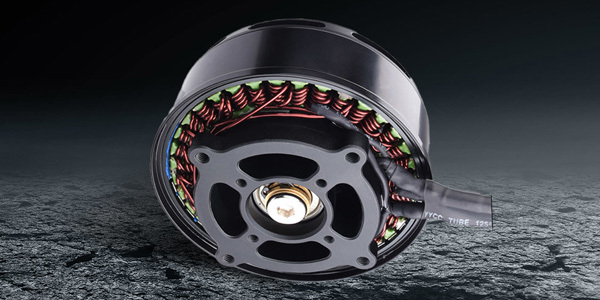
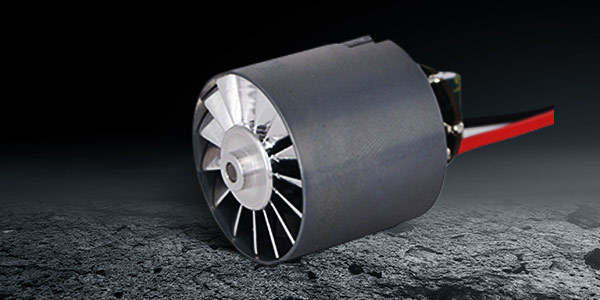
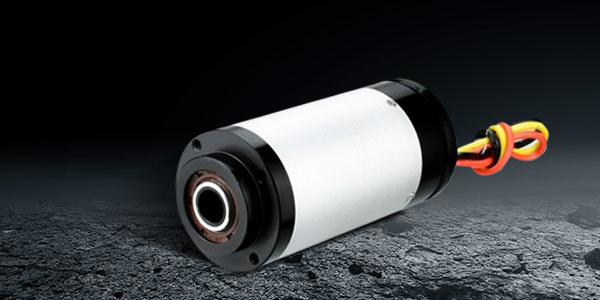
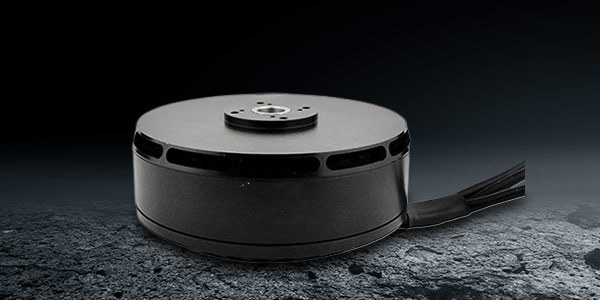
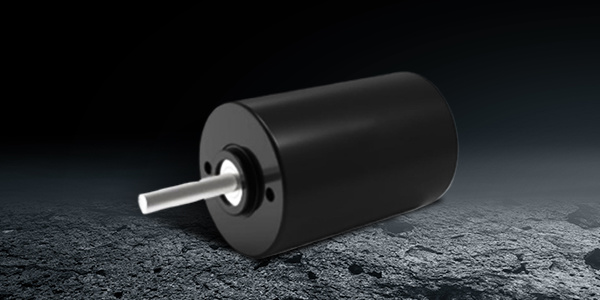
Flying drones have gained immense popularity in recent years, thanks to their versatility and the advanced technology that powers them. At the heart of many of these drones are brushless motors, a type of electric motor that operates without brushes, offering numerous advantages over traditional brushed motors. Understanding the significance of flying drone brushless motors can help enthusiasts an
One of the primary advantages of brushless motors is their efficiency. These motors convert electrical energy into mechanical energy with minimal loss, resulting in longer flight times and enhanced performance. With the growing demand for drones in various applications—such as aerial photography, surveying, and recreational flying—optimizing flight time and power consumption has become crucial. Brushless motors excel in this regard, allowing drones to fly longer distances without needing frequent recharges.
Another significant benefit of flying drone brushless motors is their durability. Unlike brushed motors, which experience wear due to the friction between brushes and the commutator, brushless motors have fewer moving parts and no physical contact that can lead to wear and tear. This increased longevity translates to lower maintenance costs and a more reliable flying experience. For those who operate drones in challenging environments, this durability is particularly advantageous.
Moreover, brushless motors offer superior performance in terms of speed and torque. They provide smooth and consistent power delivery, allowing for quick acceleration and responsive maneuvering. This is particularly important for drone pilots who require precise control during flight. Whether capturing breathtaking aerial footage or participating in competitive racing, brushless motors can significantly enhance a drone's responsiveness and agility.
When considering flying drone brushless motors, it's also essential to understand their compatibility with other components, such as Electronic Speed Controllers (ESCs). Brushless motors require specific ESCs designed to handle the unique demands of their operation, including efficient signal processing and power management. Ensuring that the motor and ESC are well-matched can optimize performance and ensure a seamless flying experience.
In conclusion, flying drone brushless motors represent a critical innovation in the realm of aerial technology. Their efficiency, durability, and performance set them apart from traditional motor options, making them a preferred choice for many drone enthusiasts and professionals. As the drone industry continues to evolve, understanding the benefits and features of brushless motors will be essential for anyone looking to enhance their flying experience. Whether you're an experienced pilot or a newcomer to the world of drones, investing in high-quality brushless motors can elevate your aerial adventures to new heights.
Previous: Essential Features to Look for in Flying Drone Power Kits for Electric Applications
Next: The Role of Flying Drone Motors in Advancing Aerial Photography


Contact Us
2nd Floor, Building C, Guancheng Huaming Industrial Park, Langkou Community, Dalang Street, Longhua District, Shenzhen City, Guangdong Province