







Feb 10,2026
Essential Features to Look for in Flying Drone Power Kits for Electric Applications
Essential Features to Look for in Flying Drone Power Kits for Electric Applications Flying drones have revolutionized numerous industries, from aerial photography to agriculture. As electric applications continue to expand, the demand for robust power kits becomes increasingly critical. In this guide, we will cover the essential features that one should consider when selecting flying drone power k
Essential Features to Look for in Flying Drone Power Kits for Electric Applications
Flying drones have revolutionized numerous industries, from aerial photography to agriculture. As electric applications continue to expand, the demand for robust power kits becomes increasingly critical. In this guide, we will cover the essential features that one should consider when selecting flying drone power kits, ensuring optimal performance and longevity.
Table of Contents
1. Understanding Drone Power Kits
2. Key Components of Drone Power Kits
2.1 Battery Capacity and Voltage
2.2 Electronic Speed Controllers (ESC)
2.3 Motors and Propellers
3. Weight Efficiency in Drone Power Kits
4. Compatibility with Drone Models
5. Ease of Installation and Maintenance
6. Safety Features in Power Kits
7. Cost Considerations for Power Kits
8. Future Trends in Drone Power Technology
9. Frequently Asked Questions
10. Conclusion
1. Understanding Drone Power Kits
Drone power kits are essential for ensuring that your flying machine operates at maximum efficiency. These kits typically comprise various components, including batteries, electronic speed controllers, motors, and sometimes even pre-assembled modules tailored to specific drone types. Understanding how each component interacts with the others is crucial for selecting the best power kit tailored to your needs.
2. Key Components of Drone Power Kits
When evaluating drone power kits, it's essential to focus on the core components that drive performance.
2.1 Battery Capacity and Voltage
One of the primary factors to consider is battery capacity, measured in milliamp hours (mAh). A higher mAh rating usually translates to longer flight times. Additionally, the voltage of the battery impacts the overall power output. Most drones operate on LiPo (Lithium Polymer) batteries, which offer a favorable energy-to-weight ratio. It’s vital to select a battery that not only fits your drone model but also provides the necessary voltage to power your components efficiently.
2.2 Electronic Speed Controllers (ESC)
The ESC serves as the intermediary between the battery and the motors, regulating the speed and direction of the drone's propellers. An essential feature to look for in an ESC is its current rating, which should match or exceed the maximum current draw of your motors. Look for ESCs equipped with features such as one-shot or multi-shot protocols, which enhance responsiveness and overall flight performance.
2.3 Motors and Propellers
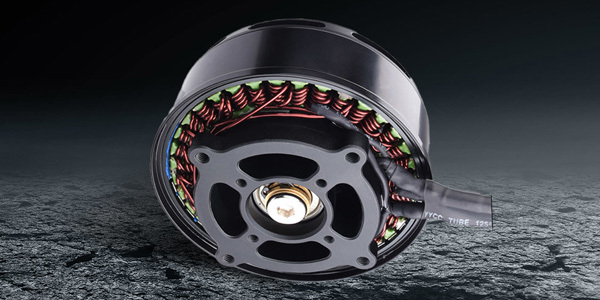
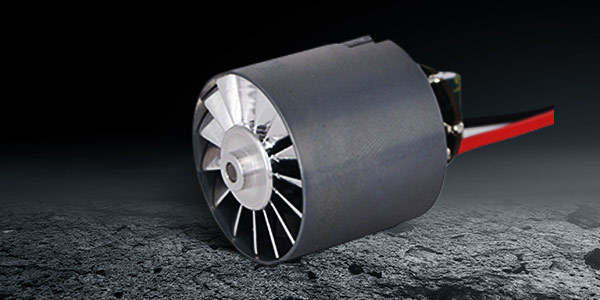
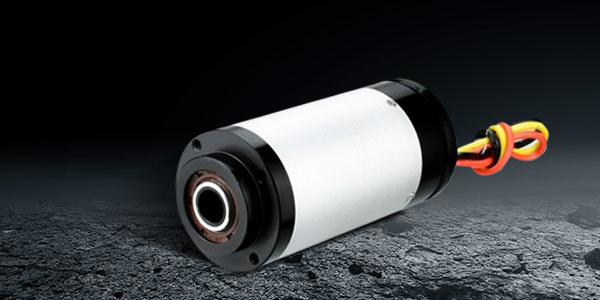
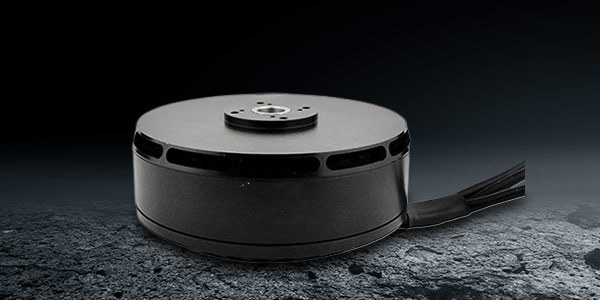
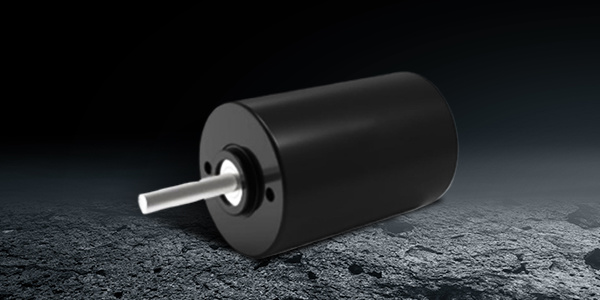
The choice of motors and propellers directly influences the drone's lift and maneuverability. Brushless motors are the preferred option due to their efficiency and durability. When selecting motors, pay attention to the kv rating (RPM per volt), which indicates the motor's speed capability. Pairing the correct propeller size and pitch with your motor is vital for achieving optimal thrust and stability during flight.
3. Weight Efficiency in Drone Power Kits
In drone operations, weight efficiency plays a significant role in flight performance. Heavier kits may reduce flight time and negatively impact maneuverability. When selecting a power kit, consider not just the weight of the components but also their performance capabilities. Strive for a balance between robust power output and lightweight construction to enhance flight efficiency.
4. Compatibility with Drone Models
Not all power kits are universally compatible with every drone model. Before making a purchase, ensure that the power kit you select is designed for your specific drone. Check the manufacturer’s specifications and guidelines, as these will provide crucial information regarding compatibility. Ignoring this aspect can lead to performance issues and potentially damage your drone.
5. Ease of Installation and Maintenance
A user-friendly installation process can significantly reduce the time and effort required to set up your drone. Look for power kits that come with detailed instructions and support documentation. Additionally, consider how easy it is to maintain the components. Kits with modular designs or easily replaceable parts can save you time and hassle in the long run.
6. Safety Features in Power Kits
Safety should always be a priority when dealing with flying drones. Many modern power kits come equipped with safety features like thermal protection, low-voltage cut-off, and short-circuit protection. These features help prevent accidents and prolong the life of your drone components. Investing in a power kit with these safety measures can provide peace of mind during flight.
7. Cost Considerations for Power Kits
While it's tempting to opt for the cheapest power kit available, this decision can have long-term repercussions on performance and reliability. Assess the value each kit offers by considering its features, quality, and brand reputation. Sometimes, investing a bit more initially can lead to savings over time through increased efficiency and reduced maintenance costs.
8. Future Trends in Drone Power Technology
As technology evolves, so do the power kits that fuel flying drones. Emerging trends include developments in battery technology, such as solid-state batteries, which promise increased efficiency and safety over conventional LiPo options. Other advancements involve smart power management systems that adapt to changing flight conditions, optimizing performance in real-time. Keeping an eye on these trends can help you stay ahead of the curve in drone technology.
9. Frequently Asked Questions
Q1: What type of battery is best for drone power kits?
A1: LiPo (Lithium Polymer) batteries are typically preferred due to their high energy density and lightweight characteristics, making them ideal for drone applications.
Q2: How can I improve the flight time of my drone?
A2: To enhance flight time, consider using a battery with a higher capacity (mAh), optimizing weight distribution, and selecting efficient motors and propellers.
Q3: Are brushless motors better than brushed motors for drones?
A3: Yes, brushless motors are generally more efficient, durable, and require less maintenance compared to brushed motors, making them the preferred choice for most drones.
Q4: What safety features should I look for in a drone power kit?
A4: Essential safety features include thermal protection, low-voltage cut-off, and short-circuit protection to ensure safe operation and longevity of components.
Q5: Can I use any power kit with my drone model?
A5: No, it’s crucial to select a power kit that is specifically compatible with your drone model to avoid performance issues and potential damage.
10. Conclusion
Selecting the right power kit for your flying drone is crucial for achieving optimal performance in electric applications. By focusing on essential features such as battery capacity, weight efficiency, compatibility, and safety features, you can ensure that your drone operates smoothly and efficiently. As technology continues to advance, staying informed about emerging trends in drone power technology will empower you to make more informed decisions, thus enhancing your overall flying experience. Whether you are a hobbyist or a professional, understanding these key elements will help you harness the full potential of your drone.
Previous: Essential Flying Drone Accessories for Enhanced Performance and Safety
Next: Unlocking the Power of Flying Drone Brushless Motors: A Comprehensive Guide


Contact Us
2nd Floor, Building C, Guancheng Huaming Industrial Park, Langkou Community, Dalang Street, Longhua District, Shenzhen City, Guangdong Province