






Feb 22,2026
Customizing Your Drone with High Torque Motors: A Comprehensive Guide
Customizing Your Drone with High Torque Motors: A Comprehensive Guide Table of Contents Introduction to High Torque Motors Understanding High Torque Motors Benefits of High Torque Motors in Drones Choosing the Right High Torque Motor for Your Drone The Installation Process Optimizing Drone Performance with High Torque Motors Common Mistakes to Avoid When Customizin
Customizing Your Drone with High Torque Motors: A Comprehensive Guide
Table of Contents
- Introduction to High Torque Motors
- Understanding High Torque Motors
- Benefits of High Torque Motors in Drones
- Choosing the Right High Torque Motor for Your Drone
- The Installation Process
- Optimizing Drone Performance with High Torque Motors
- Common Mistakes to Avoid When Customizing Your Drone
- Frequently Asked Questions
- Conclusion
Introduction to High Torque Motors
Drones have become increasingly popular for various applications, from recreational flying to commercial uses in photography and agriculture. One of the key components that significantly impacts a drone's performance is the motor. High torque motors, in particular, offer advantages that can enhance flight stability, payload capacity, and overall efficiency. In this guide, we will explore how customizing your drone with high torque motors can transform its capabilities and improve your flying experience.
Understanding High Torque Motors
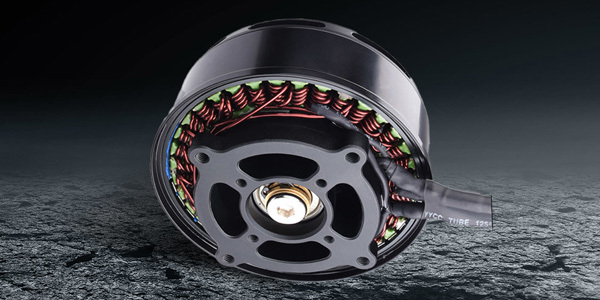
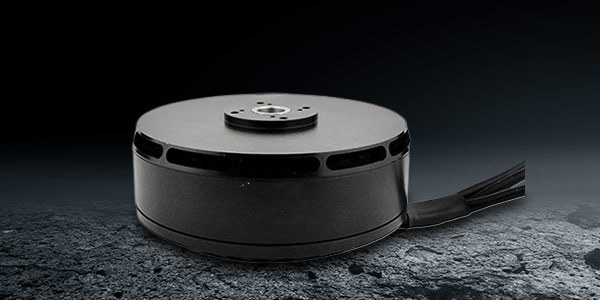
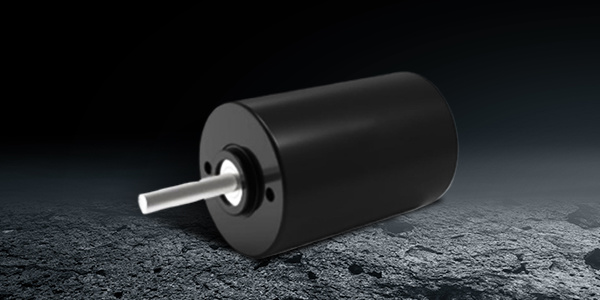
High torque motors are designed to deliver greater rotational force compared to standard motors. This increased torque allows drones to lift heavier payloads and navigate more challenging environments. To understand the significance of high torque motors, it is essential to grasp some fundamental concepts:
What is Torque?
Torque is a measure of rotational force. In the context of drone motors, it refers to the ability of the motor to turn the propellers and generate lift. A motor with high torque can spin larger or heavier propellers, resulting in increased thrust and enhanced performance.
Types of High Torque Motors
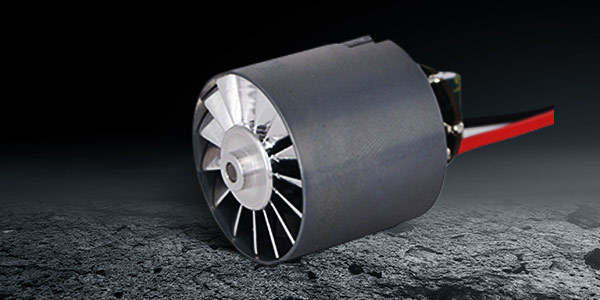
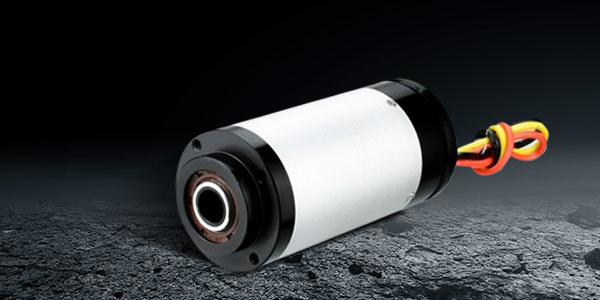
There are various types of high torque motors suitable for drones, including:
- **Brushed Motors:** These are simpler and generally less expensive but offer lower efficiency and shorter lifespans.
- **Brushless Motors:** More efficient and durable, brushless motors are the preferred choice for most drone enthusiasts due to their higher torque and performance capabilities.
Benefits of High Torque Motors in Drones
Integrating high torque motors into your drone offers multiple benefits that can significantly enhance its overall performance:
1. Increased Payload Capacity
High torque motors enable drones to carry heavier payloads, making them ideal for applications like aerial photography and delivery services. This added capacity allows for more equipment or supplies to be transported in a single flight, improving efficiency.
2. Improved Flight Stability
With more torque, your drone can maintain stability and control even in windy conditions or when carrying extra weight. This is crucial for capturing steady aerial footage or performing precise maneuvers.
3. Enhanced Climbing Ability
High torque motors allow for faster ascent rates. Drones equipped with these motors can quickly rise to altitude, making them suitable for tasks like surveying or monitoring wildlife.
4. Better Battery Efficiency
High torque motors can provide better thrust-to-weight ratios, which can lead to improved battery life. This means longer flight times and more efficient energy use, allowing for more extended operations without the need for frequent recharges.
5. Versatility in Applications
Whether for racing, photography, or agricultural monitoring, high torque motors can adapt to various flying scenarios, increasing the versatility of your drone.
Choosing the Right High Torque Motor for Your Drone
Selecting the appropriate high torque motor is crucial for optimizing your drone's performance. Consider the following factors when making your choice:
1. Motor Size and Specifications
The motor's size should match the drone's frame and intended use. Check compatibility with your existing components and ensure the specifications align with your drone's requirements.
2. Thrust-to-Weight Ratio
Calculate the thrust-to-weight ratio of the motor to ensure it can handle the weight of your drone, including any additional payload. A ratio of 2:1 is often recommended for optimal performance, meaning the thrust produced should be double the weight of the drone.
3. Voltage and Current Ratings
Ensure that the motor's voltage and current ratings are suitable for your drone's battery. A mismatch can lead to inefficiency or potential damage.
4. Brand and Quality
Opt for reputable brands known for manufacturing high-quality motors. Investing in reliable components will ensure the longevity and performance of your drone.
5. Reviews and Recommendations
Read reviews and seek recommendations from fellow drone enthusiasts or professionals. They can provide insights into the performance and durability of different motor options.
The Installation Process
Once you've chosen the right high torque motor for your drone, it's time to install it. Follow these steps for a successful installation:
1. Gather Your Tools
Ensure you have all the necessary tools, including a soldering iron, heat shrink tubing, and screwdrivers.
2. Remove the Existing Motor
Carefully detach the current motor from the drone frame. Take note of the wiring connections for easier installation of the new motor.
3. Connect the New Motor
Solder the wires of the new high torque motor to the drone's electronic speed controller (ESC). Ensure proper polarity to avoid any electrical issues.
4. Secure the Motor
Attach the motor securely to the drone frame, using screws or mounting brackets as required. Ensure it is firmly in place to avoid vibrations during flight.
5. Test the Connections
Before flying, double-check all connections and make sure everything is securely attached. Power on the drone and test the motors to ensure they are functioning correctly.
Optimizing Drone Performance with High Torque Motors
After installing high torque motors, further optimization can enhance your drone's performance:
1. Fine-Tuning Flight Settings
Adjust the flight controller settings to optimize the drone's response to the increased torque. Tweak parameters such as PID settings, flight modes, and throttle curves.
2. Experimenting with Propeller Sizes
Try different propeller sizes and pitches to find the best combination that maximizes thrust and efficiency. Larger propellers may provide more lift but consider the trade-offs with battery consumption.
3. Regular Maintenance
Perform routine checks on the motors and other components to ensure longevity. Clean the motors and propellers regularly to prevent debris buildup that can affect performance.
4. Monitoring Battery Health
Keep an eye on battery health and charge cycles. High performance can put extra strain on batteries, so replace them when they show signs of wear.
Common Mistakes to Avoid When Customizing Your Drone
Customizing a drone can be rewarding, but it's essential to avoid common pitfalls:
1. Overloading the Drone
Avoid adding too much weight beyond the drone's capacity. This can lead to reduced performance and potential damage.
2. Ignoring Compatibility Issues
Ensure all components are compatible with each other. Mismatched parts can lead to inefficiencies and malfunctions.
3. Skipping Testing Phases
After installation, always perform test flights in a controlled environment. Skipping this step can result in crashes and damage.
4. Neglecting User Manuals
Refer to user manuals for guidance on installation and optimization. They often contain valuable information specific to your drone model.
Frequently Asked Questions
1. What are the best high torque motors for drones?
The best high torque motors depend on your specific drone model and usage. Brands like DJI, EMAX, and T-Motor are generally recommended for quality and performance.
2. How do I know if I need a high torque motor?
If you plan to carry heavy payloads or require enhanced stability and climbing abilities, a high torque motor is advisable.
3. Can I install high torque motors on any drone?
Not all drones are compatible with high torque motors. Ensure that your drone's frame and ESC can handle the specifications of the new motor.
4. Will high torque motors affect battery life?
While high torque motors can improve efficiency, they may also draw more power. Proper optimization and battery choice are crucial for maintaining battery life.
5. How often should I service my drone after upgrading to high torque motors?
Regular maintenance is essential. Check the motors and other components after every few flights, especially if you are using the drone heavily.
Conclusion
Customizing your drone with high torque motors opens up a world of possibilities, enhancing performance, stability, and versatility. By understanding the benefits, choosing the right motors, and following proper installation and optimization processes, you can elevate your drone experience significantly. Remember to monitor your drone's performance regularly and make adjustments as needed to ensure optimal functionality. With high torque motors, you can take your drone adventures to new heights, allowing you to explore the skies with confidence and efficiency.
Previous: Understanding Drone Motors: A Comprehensive Guide for Electrical and Electronic Professionals
Next: Exploring Drone Brushless Motors: The Power Behind Modern Aerial Technology


Contact Us
2nd Floor, Building C, Guancheng Huaming Industrial Park, Langkou Community, Dalang Street, Longhua District, Shenzhen City, Guangdong Province