







Feb 25,2026
Understanding Drone Motors: A Comprehensive Guide for Electrical and Electronic Professionals
--- Drone motors are a fundamental component in the operation of unmanned aerial vehicles (UAVs), commonly known as drones. These motors convert electrical energy into mechanical energy, allowing drones to achieve the lift and movement necessary for flight. Understanding the different types of drone motors and their specific functionalities is crucial for professionals in the electrical and electr
---
Drone motors are a fundamental component in the operation of unmanned aerial vehicles (UAVs), commonly known as drones. These motors convert electrical energy into mechanical energy, allowing drones to achieve the lift and movement necessary for flight. Understanding the different types of drone motors and their specific functionalities is crucial for professionals in the electrical and electronic industry looking to work with or develop drone technology.
There are primarily two types of motors used in drones: brushed and brushless motors. Brushed motors are simpler in design and are generally less expensive. They use brushes to transfer electrical current to the motor windings, which can lead to wear and tear over time. While they are still used in some smaller, less expensive drones, they are becoming less common in modern drone applications due to their lower efficiency and shorter lifespan.
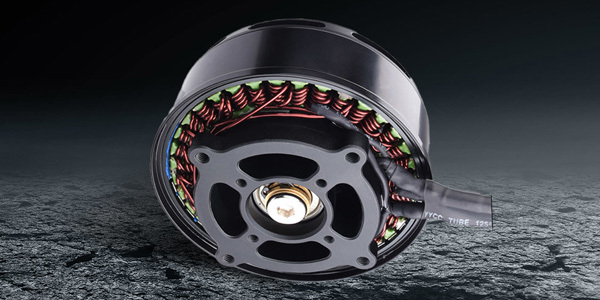
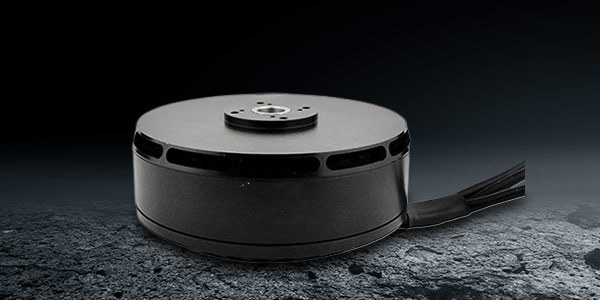
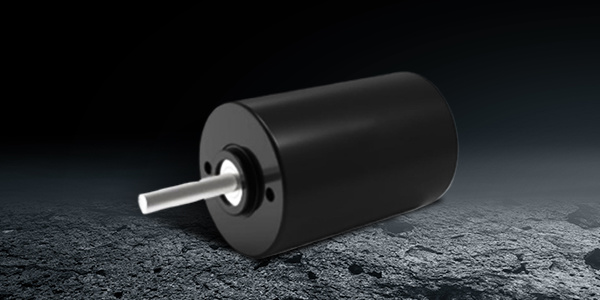
On the other hand, brushless motors have gained popularity in the drone industry for their efficiency and durability. They use an electronic speed controller (ESC) to manage the motor's operation without the need for physical brushes. This design results in less friction, reduced heat generation, and longer operational life. Brushless motors are capable of providing higher power-to-weight ratios, making them ideal for high-performance drones that require rapid acceleration and precise maneuverability.
When selecting drone motors, several factors must be considered. The motor size and weight play a critical role in the overall performance of the drone. Additionally, the thrust-to-weight ratio is a key parameter that determines how effectively a drone can lift its payload. Understanding the specifications of different drone motors, such as voltage ratings, RPM, and current draw, is essential for optimizing the performance of UAVs.
Another vital aspect is the motor's cooling mechanism. High-performance drones typically require motors that can dissipate heat effectively to maintain operational efficiency and prevent overheating. Advanced cooling techniques, such as incorporating heat sinks or utilizing airflow generated by the drone's propellers, can significantly enhance motor performance and longevity.
In conclusion, having a comprehensive understanding of drone motors is invaluable for professionals in the electrical and electronic sectors. By familiarizing yourself with the differences between brushed and brushless motors, as well as their respective applications, you can make informed decisions that will lead to the successful development and implementation of drone technologies. Whether you're designing custom drones or integrating motors into existing systems, knowing the ins and outs of drone motors will set you on the path to success in this rapidly evolving field.
Previous: Drone Power Kits: Revolutionizing Electric Motor Efficiency for the Future
Next: Customizing Your Drone with High Torque Motors: A Comprehensive Guide


Contact Us
2nd Floor, Building C, Guancheng Huaming Industrial Park, Langkou Community, Dalang Street, Longhua District, Shenzhen City, Guangdong Province