







Jun 19,2026
The Essential Guide to Brushless Motors for Flying Drones
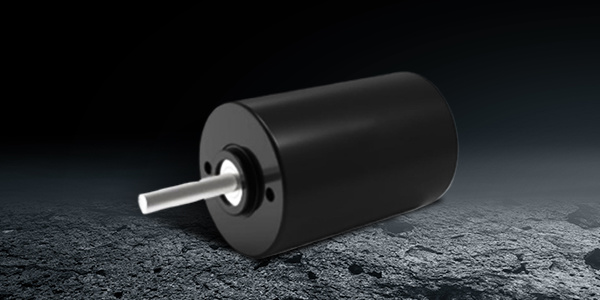
Brushless motors have become the backbone of modern flying drones, providing superior efficiency, reliability, and performance compared to traditional brushed motors. These motors are designed without brushes, which means they do not have the friction and wear associated with their brushed counterparts. This fundamentally enhances their lifespan and efficiency, making them a preferred choice in th
One of the key advantages of brushless motors is their ability to deliver higher power-to-weight ratios. This characteristic allows flying drones to achieve greater speeds and improved maneuverability, crucial for both recreational users and commercial applications. Moreover, the efficiency of brushless motors translates into longer flight times, which is a significant benefit for users who require sustained flight for aerial photography, surveying, or search and rescue missions.
Another important aspect of brushless motors is their operational smoothness. Without the mechanical wear and tear of brushes, these motors can run more quietly and with less vibration. This is particularly advantageous in applications where noise reduction is essential, such as in wildlife monitoring or in urban areas where drones are used for delivery services.
The control of brushless motors is facilitated through electronic speed controllers (ESCs). These controllers adjust the power supplied to the motor, allowing for precise speed and direction control. This level of control is vital for stable flight, especially in complex maneuvers or when flying in windy conditions.
When selecting brushless motors for flying drones, it’s important to consider factors such as motor size, kv rating (the RPM per volt), and thrust-to-weight ratio. Understanding these specifications can help in choosing the right motor to match the specific requirements of your drone design. For instance, a higher kv rating generally results in faster spinning, which may be desirable for racing drones but not for those designed for carrying heavier payloads.
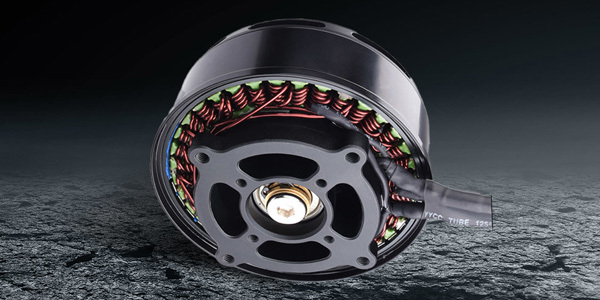
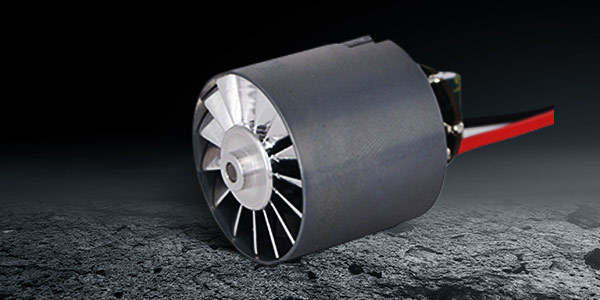
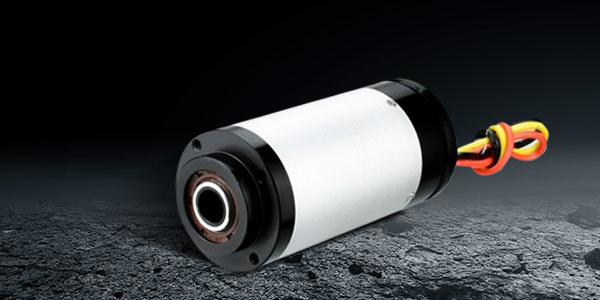
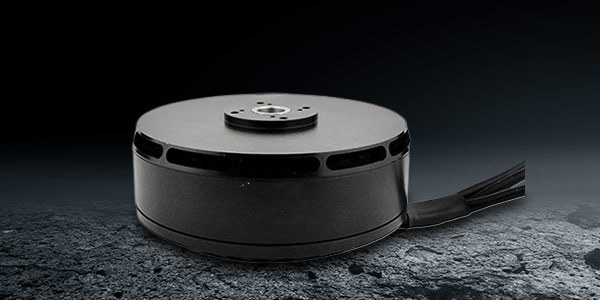
Additionally, the design of the motors can vary significantly, with options like outrunner and inrunner configurations available. Outrunner motors, which have the coils on the stator and the magnets on the rotor, tend to produce more torque at lower RPMs, making them ideal for multirotors. Inrunner motors, on the other hand, are more suited for applications requiring high speeds.
Overall, brushless motors represent a significant advancement in the design and functionality of flying drones. Their efficiency, power, and reliability make them indispensable in a variety of applications, from personal use to professional operations. Understanding the capabilities and characteristics of brushless motors can help drone enthusiasts make informed decisions and enhance their flying experience.
Previous: None
Next: Flying Drone Motors vs. Traditional Motors: What’s the Difference?
Latest News


Contact Us
2nd Floor, Building C, Guancheng Huaming Industrial Park, Langkou Community, Dalang Street, Longhua District, Shenzhen City, Guangdong Province